-
#711 – The End of Eternity (1987)
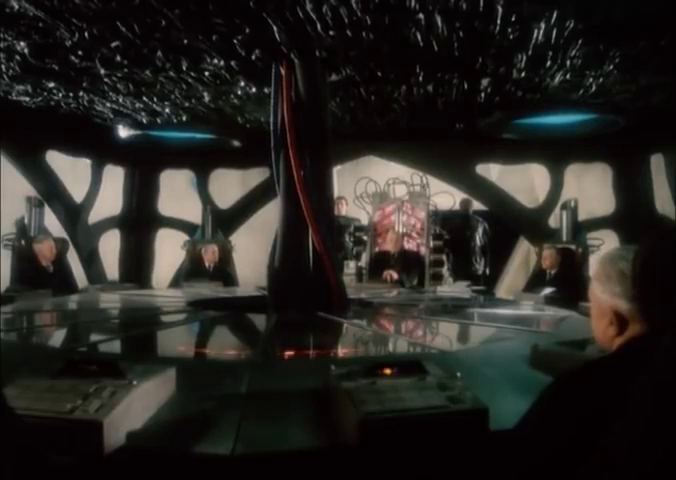
The End of Eternity (1987)
Film review #711
Director: Andrei Yermash
SYNOPSIS: A group of immortals use their time travel technology to make minor adjustments to the timeline to improve humanity. Thomas Harlan is a technician who aids in this project, and when he is assigned to spend a week in the 482nd century with a woman named Noys, he falls in love with her and attempts to protect her from being erased from the timeline, and in doing so, uncovers a vast conspiracy…
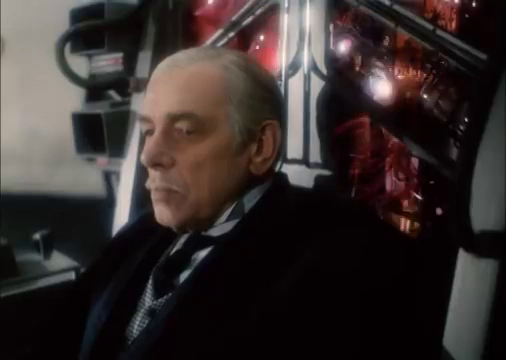
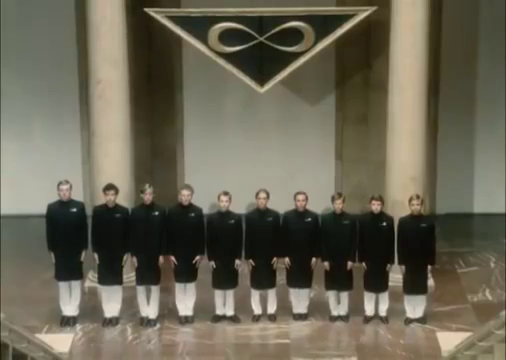
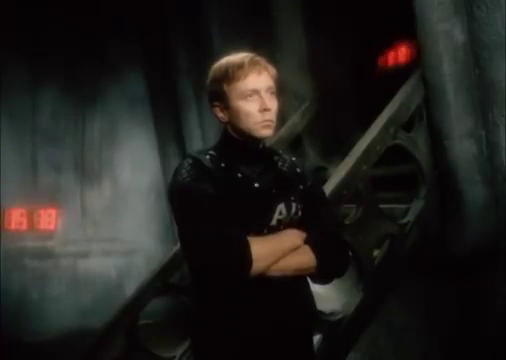
THOUGHTS/ANALYSIS: The End of Eternity is a 1987 sci-fi film based on the novel of the same name by Isaac Asimov. Having looked at the 1976 Hungarian TV movie adaptation previously, I know that this is quite a difficult story to adapt. The film introduces us to The Eternals, who use time travel to incrementally adjust human history to improve it. Thomas Harlan is one such Eternal, who is assigned to stay with a woman named Noys in the 482nd century, but when he fall sin love with her and learns that an alteration to the timeline will erase her, tries to hide her in one of the hidden centuries, and uncovers the true nature of The Eternals. The whole plot is again quite complex, and requires a fair amount of attention to follow accurately; it’s difficult to place where – and when – different scenes are taking place. In spite of the difficulty of adapting a difficult text, I think it still does a decent job of presenting the story, you just have to pay attention for the two hours runtime.
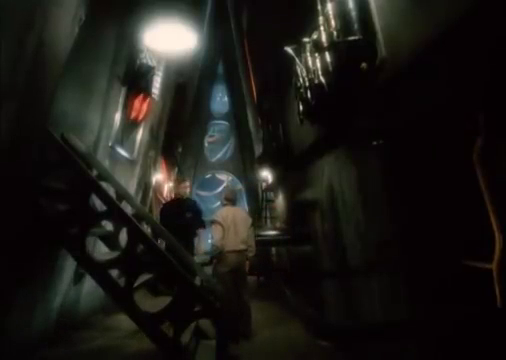
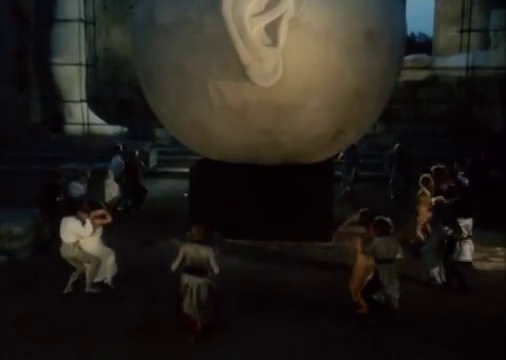
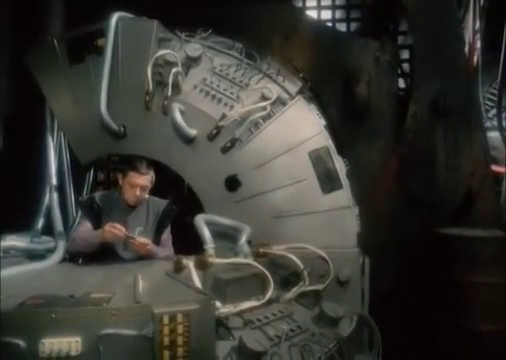
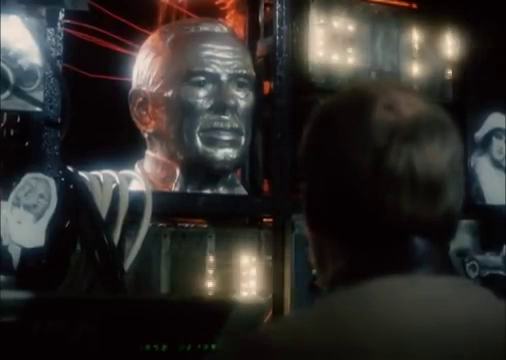
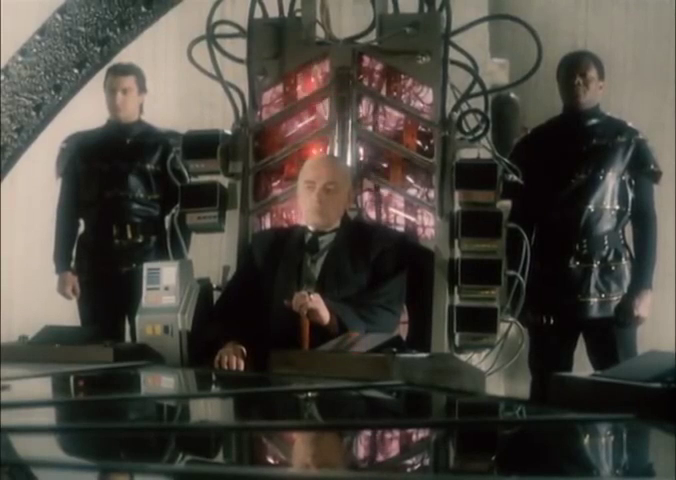
The film bears the marks of soviet cinema; the scenes have a grand and epic atmosphere to them, and everything is delivered and presented seriously. The set design too has lots of detail and complexity, as it blends science-fiction with classical architecture. A big change in the film is that there is a lot more focus on Harlan’s rebellion against Eternity, rather than the romance and personal journey of the main character. The ending is also changed from Eternity being abolished through Harlan’s actions, to instead show how they continue to operate, and Harlan’s continued attempt to overthrow them. This is a rather standard change you would find in soviet cinema: the presentation of the Eternals as the ruling class, the bourgeoisie (emphasised by their dressing up in 20th century business suits despite being from the far future), and Harlan, the everyday worker, being oppressed by them and dedicating himself to overthrowing them. A change which offers little resolution for the characters or plot, and muddles up the story a little. not being familiar with the novel’s intricacies myself, I can’t really comment on how well it adapts the novel, but as I mentioned, it still has difficulties making the story flow, but that is I think more that the story is just not suited wholly to the structure of a film (which is perfectly okay; books don’t have to be adapted into films).
The End of Eternity bears the hallmarks of a soviet cinema film, utilising impressive production and generated a heavy and significant atmosphere, but doesn’t quite match up to similar films of the time and era. There’s not much room for interpretation in the story to elevate it into something profound, it’s just a good story that’s hampered by the difficulties of making time travel stories accessible and coherent.
-
#710 – The End of Eternity (1976)
he End of Eternity (1976)
Film review #710
Director: András Rajnai
SYNOPSIS: From the “Time Channel,” a group of immortals control the development of humanity by carefully studying and altering certain events. Thomas Harlan works as a technician for the Time Tunnel, and falls in love with a mysterious woman who is from a time period that has blocked off access to the time travellers, and uncovers the dark truth of the organisation…
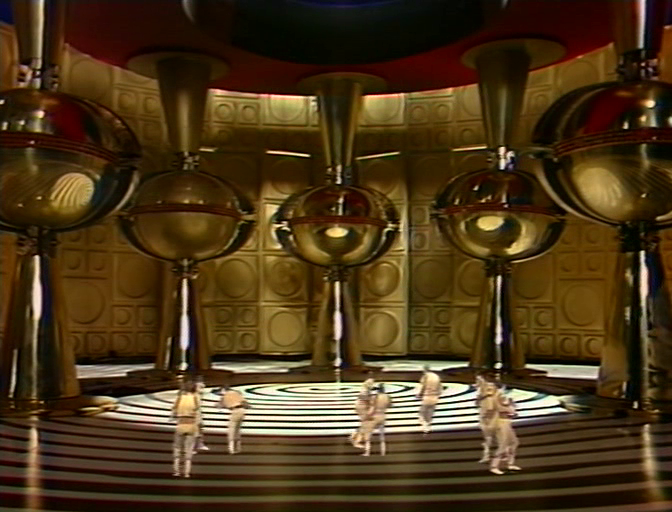
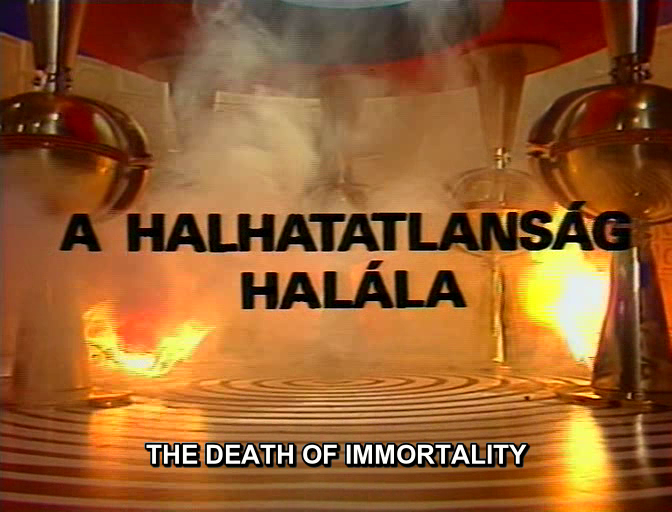
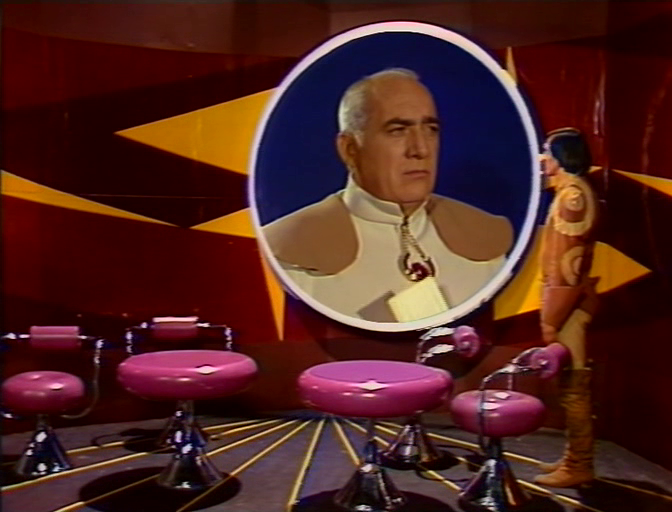
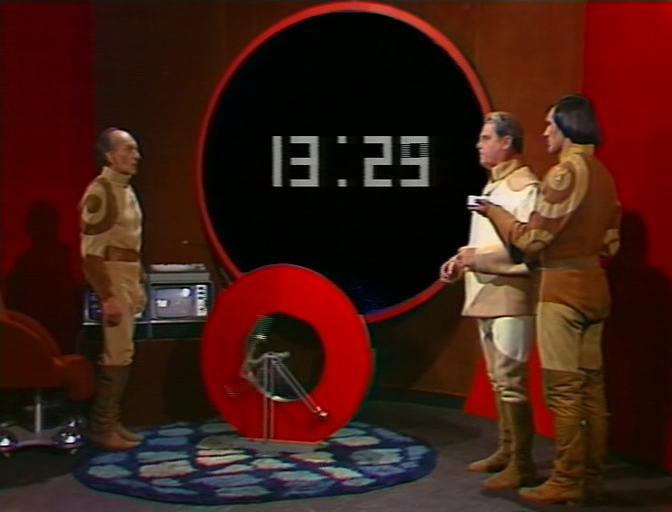
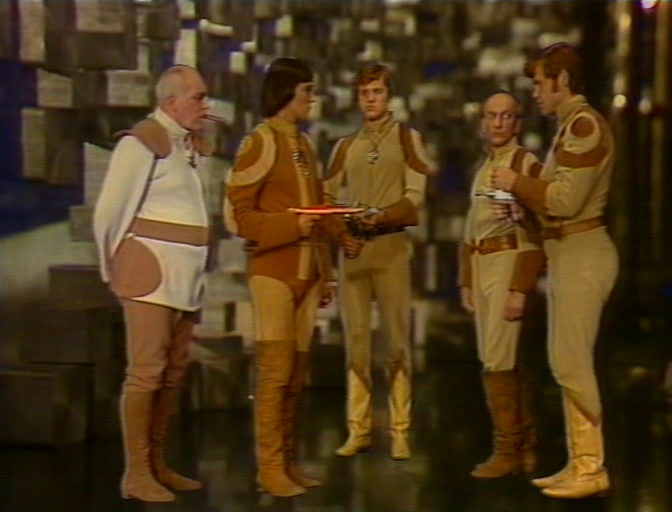
THOUGHTS/ANALYSIS: The End of Eternity is a 1976 sci-fi TV movie based on the 1955 novel of the same name by Isaac Asimov. The film opens up in explosive fashion, with a literal explosion of some sci-fi setting and people dying as the title appears. We next see Thomas Harlan, a technician for a group of immortals who control the Time Tunnel that they use to travel through time and make careful changes to history for the better. Harlan trains another man named Cooper to travel to the 21st century, and this provides us with an opportunity to learn about the setting and world. I have not read Asimov’s original novel that this film is based on, but I suspect that it explains things a lot better than this film does: there is a lot of information t9o be delivered about the mechanics of time travel, the different eras, the society of the immortals, and so on. A novel gives you the space to tell this, but this film can only get so much across, and I was very quickly lost over what was happening. Basically, a woman from a time period which has managed to close itself off to the time travellers and their interference arrives, and Harlan falls in love with her. This is a part of his boss’s plan to get information on how her society was able to block time travellers, and when they imprison her in the far off future, Harlan has to try and get her back. It’s a simple enough story I suppose, but as mentioned, the ways it’s explained is very opaque. This is compounded by the short runtime of eighty minutes, and a very off pacing that doesn’t build up much suspense or tension: it feels like every time there’s something new happening, the film needs more time to explain it, and it brings every thing to a standstill. Maybe it flows nicer if you can listen and understand the language rather than watching with subtitles, but I feel that might not be enough.
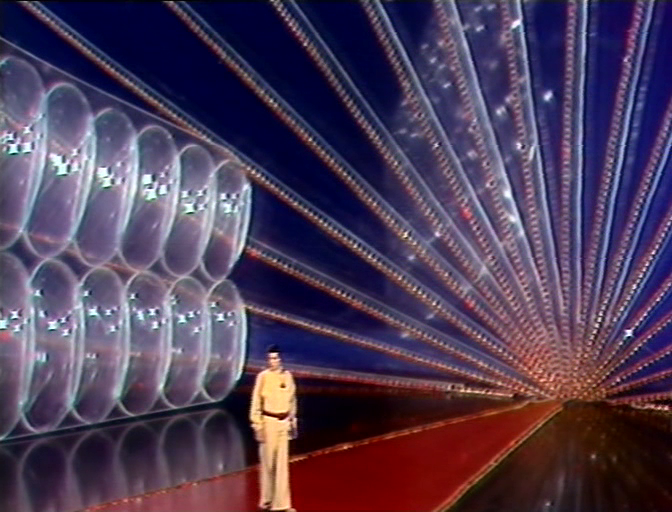
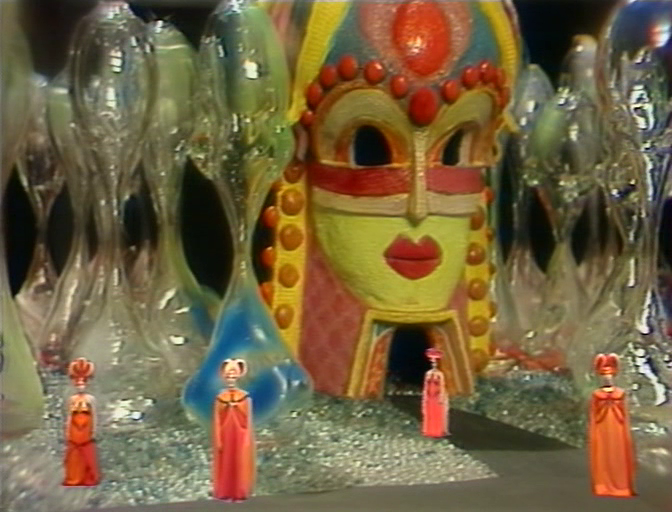
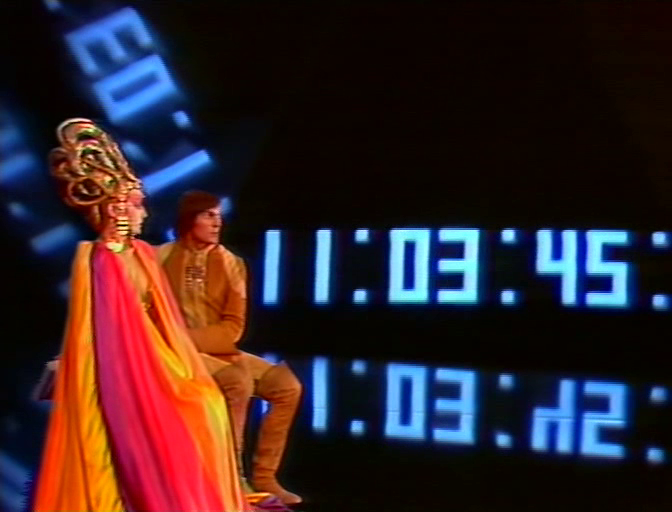
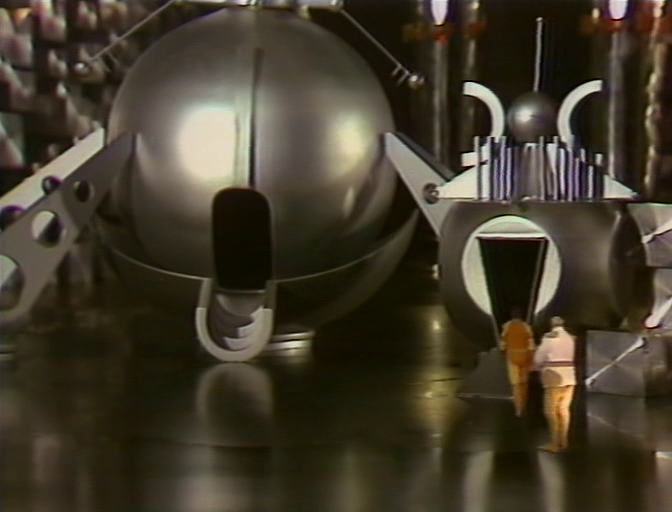
The visual style of this film consists of nearly every scene being set in front of a greenscreen, with all sorts of weird shapes and colours designed to “look” futuristic. There’s not much consistency or specifics to give us an idea of what this setting is like or how it operates; it’s just general sci-fi fluff. You can tell there’s an interesting story behind The End of Eternity, but the complex plot device of time travel just isn’t explained very well here. With settings that all look the same and many scenes of just standing around and talking, it often feels like the story doesn’t go anywhere, and nothing is built up or established well enough to maintain your attention. An interesting take on sci-fi from Hungarian TV, but poorly executed in terms of pacing and production.
-
#709 – Cornman: American Vegetable Hero (2001)



Cornman: American Vegetable Hero (2001)
Film review #709
Director: Barak Epistein
SYNOPSIS: Cornman was just an ordinary man until he was exposed to some mysterious corn-based chemical. Now he is a superhero fighting the legions of the evil Dr. Hoe with his corn-based powers…
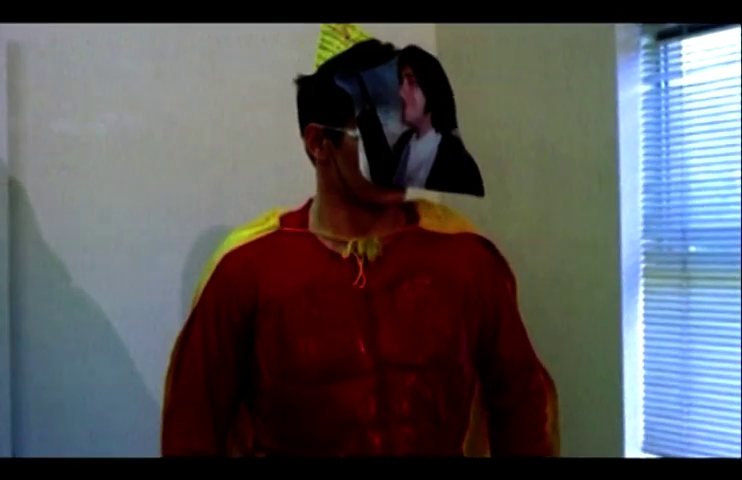
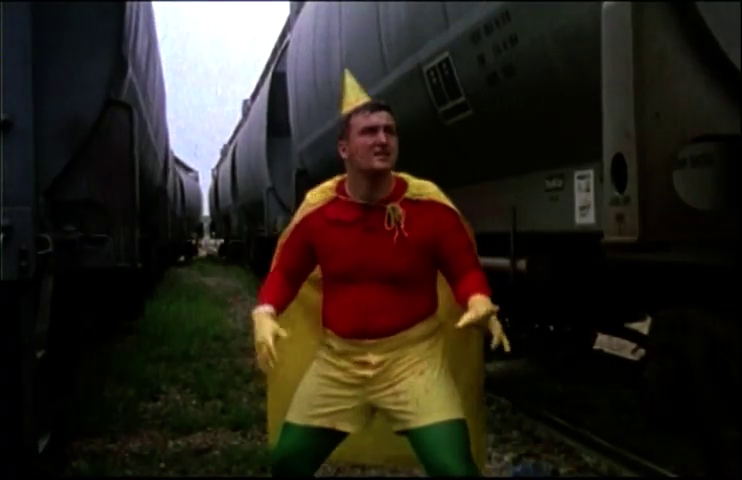
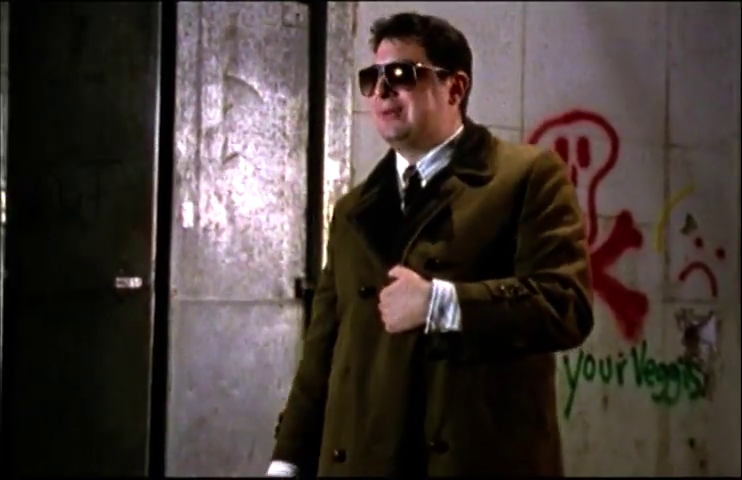
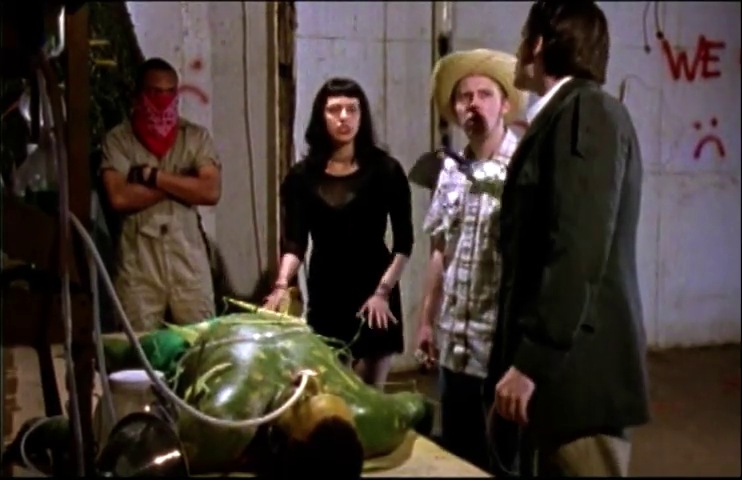
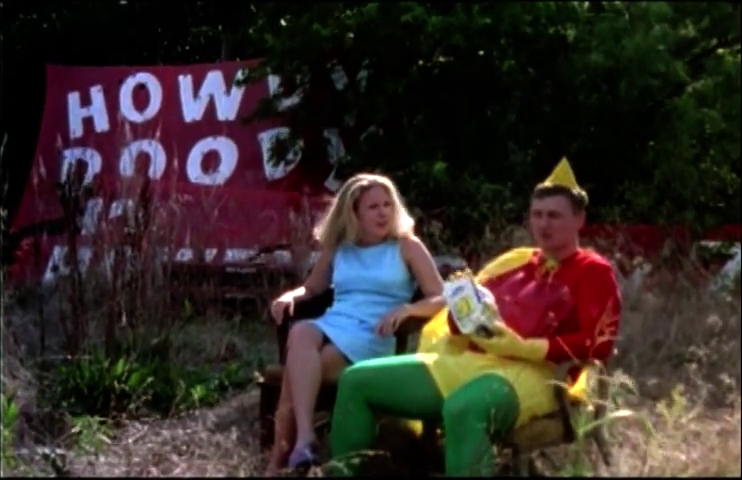
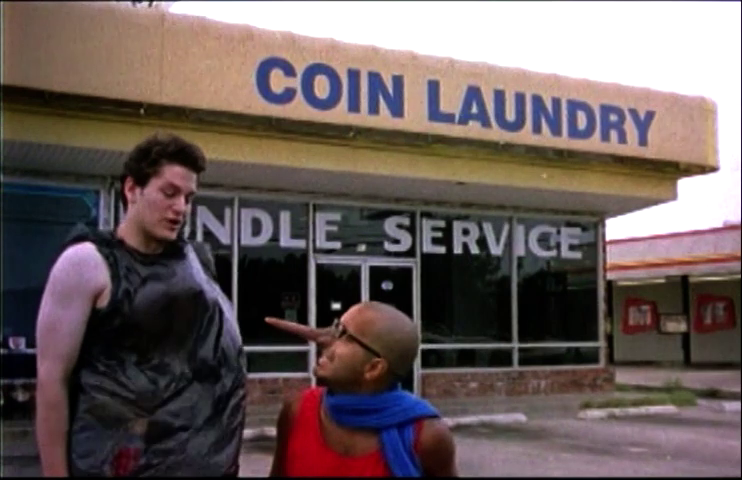
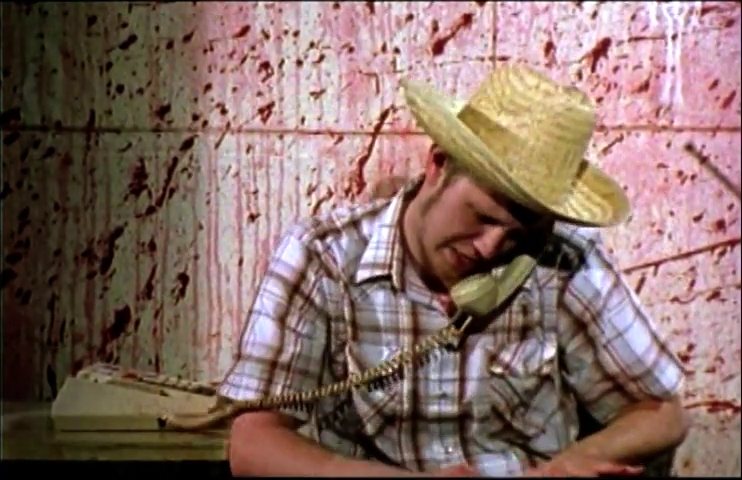
THOUGHTS/ANALYSIS: Cornman: American Vegetable Hero is a 2001 superhero film. Starting off with an introduction to the film by Lloyd Kaufman, you can probably tell (if the title doesn’t give it away) that this is a satire of superhero movies on a shoestring budget. Featuring Cornman, who stabs people with corn, and his sidekick Butter Boy, who pours hot butter on his enemies. They face off against the evil Dr. Hoe and his henchman for some reason, whose powers are no less absurd. There’s barely any semblance of plot in this film, just a series of vaguely connected scuffles and bickering. As mentioned, the film has next to no budget, and it looks like a good portion is filmed in someone’s backyard, and no proper audio equipment means that you can’t really hear the actors a lot of the time. The humour is mostly crude, and gory, but still manages to make some funny jokes: there’s one point where the director stops the film and decides that the actor playing Cornman isn’t the right fit, and replaces him with a more muscle-bound one. The content and comedy is alright, but it’s delivered by actors who can’t really act, which will enhance or diminish your experience based on what you expect from the film.
The practical effects focus on a fair amount of gore and people getting stabbed by vegetables and heads exploding, and it’s all pretty silly. The soundtrack is a mix of punk/alt/ska from local bands that again plays into that homemade feel of the film. There’s a sense that the film as a whole is just some guys goofing around, but there is definitely some thought and consideration put into the jokes , and they land fairly well a good amount of the time. There’s nothing overly memorable or remarkable about Cornman, but it does at least do a good job of writing good jokes and utilising practical effects, even if a coherent story is non-existent. Far from the worst no-budget satire I have seen.
-
#708 – The One (2001)

The One (2001)
Film review #707
Director: James Wong
SYNOPSIS: A martial artist travels between multiverses in order to kill different versions of himself with the aim of being the only one left, which will apparently grant him God-like powers. He is caught but manages to escape into the universe where the last version of him is, and cop Gabe Law must find a way to stop…himself…
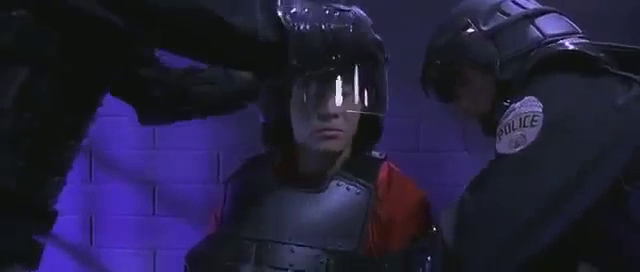
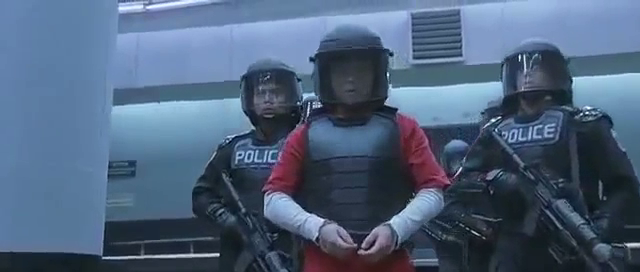
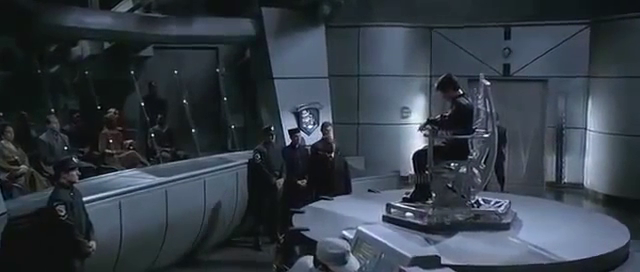
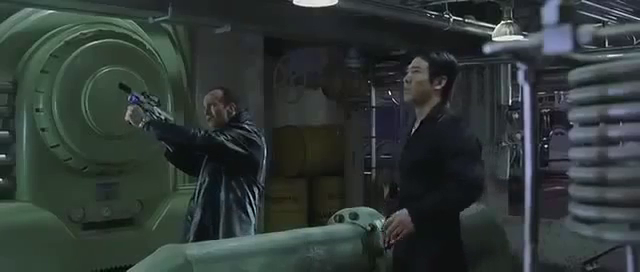
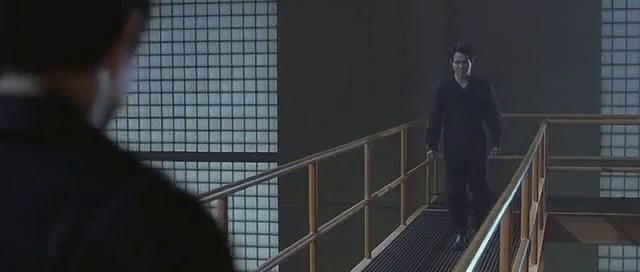
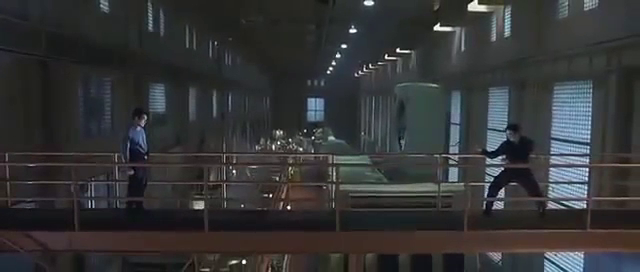
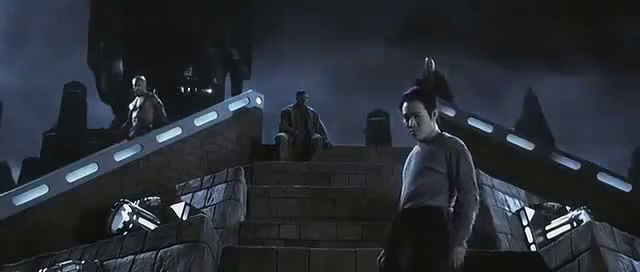
THOUGHTS/ANALYSIS: The One is a 2001 martial arts sci-fi film starring Jet Li. Jumping straight in to a multiverse themed plot. We see one man trying to kill 123 other versions of himself across the multiverse and absorb their energy, so he will be the last one left standing, which will apparently unlock some God-like powers or something. It’s not really explained in any detail since nobody has ever done it before. The premise is, however, somewhat similar to Highlander, where immortals face off to be the last one standing for some prize. It’s not too difficult to grasp either way. Essentially, Gabriel Yulaw travels to the universe where the last version of himself is, Gabe Law, and attempts to kill him, and Gabe teams up with a Multiversal Cop (Jason Statham) to stop him. The film is primarily a martial arts film, and doesn’t explore it’s world in any real detail, but that’s not what you’re here for. The fight scenes are good enough, and are fast and fluid, but generally don’t seem to accomplish much. With Jet Li playing both main characters too, there often feels like there’s very little to separate them, and to recognise who is who amid the fast-paced fights.
The runtime is notably quite short, not lasting even ninety minutes before everything is done. The characters and relationships are not built up as well as they could have been, and nothing really has any significance as the film goes through the motions. The sci-fi represents a bit of an interesting twist, but again, there’s not enough time to get into anything interesting. The film also feels a little dated, due to the early 200’s reliance on dressing all in black, leather, and a nu-metal soundtrack consisting of the most obvious nu-metal songs (did it really need to play “down with the sickness” in two separate scenes?). The One is really nothing significant, and is over and done with before anything is able to build up momentum. There’s some fun martial arts and action, but nothing that really establishes the world or anything with more depth.
-
#707 – Starry Night (1999)
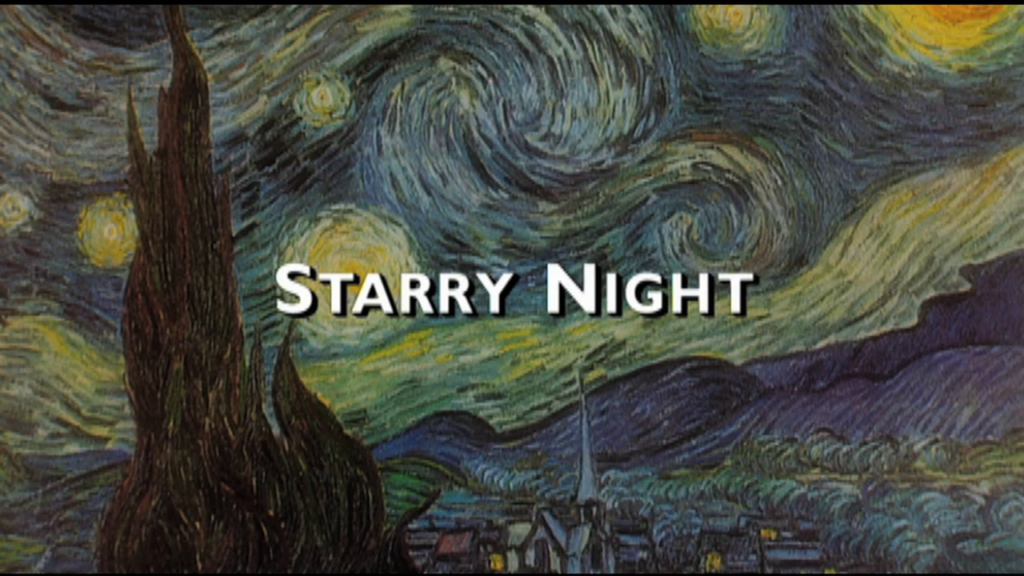



Starry Night (1999)
Film review #707
Director: Paul Davids
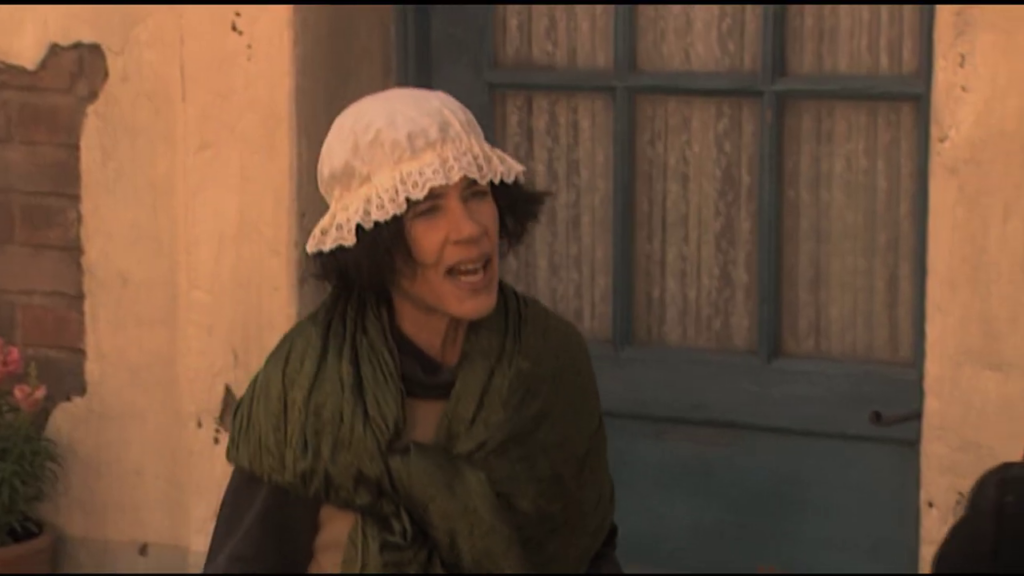
SYNOPSIS: Artist Vincent Van Gogh meets a strange woman who offers him a magic potion that she says will resurrect him over one hundred years after his death. Sure enough, he comes back to life in 1999 to find his artworks that, having been forgotten in his lifetime, were now valuable and world-famous. He starts stealing his own artworks from the collectors that have purchased them, claiming they belong to him, and leading him to having to prove he is the real Vincent Van Gogh.
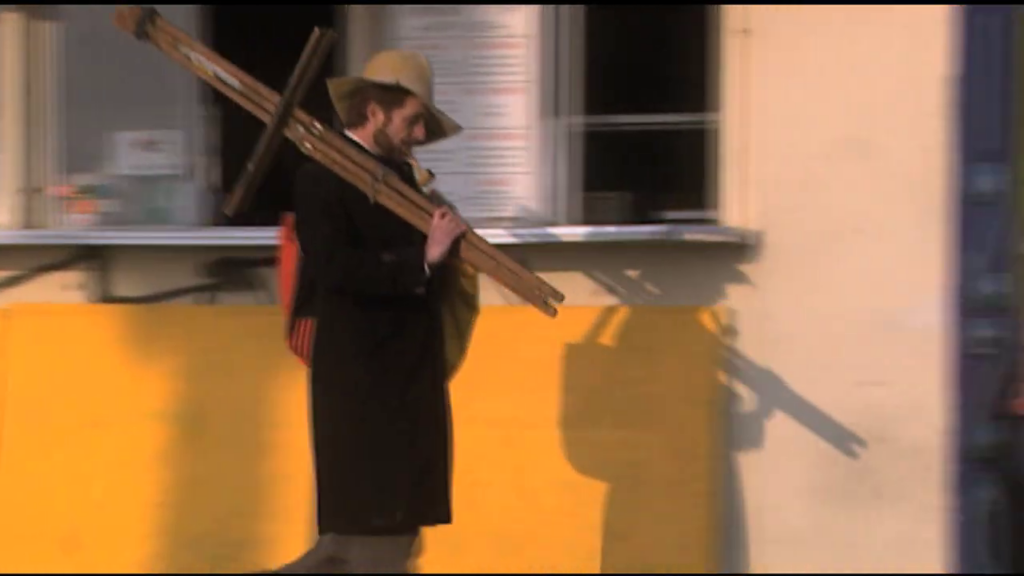
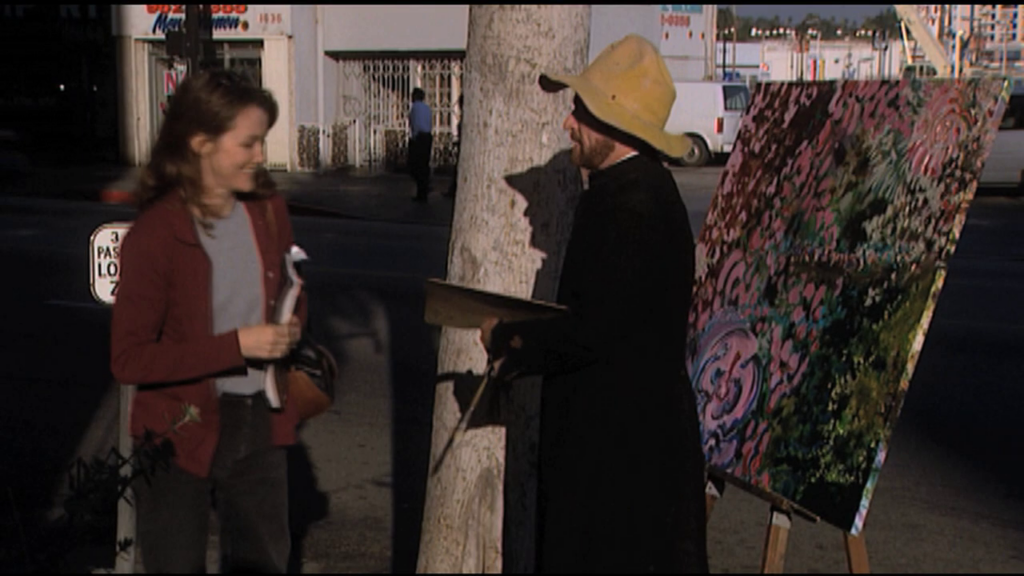
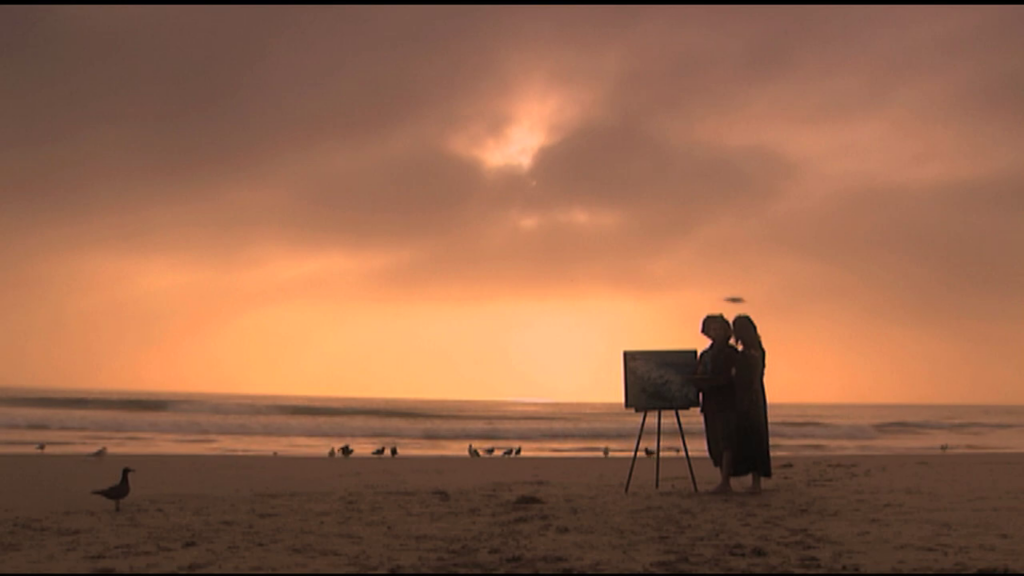
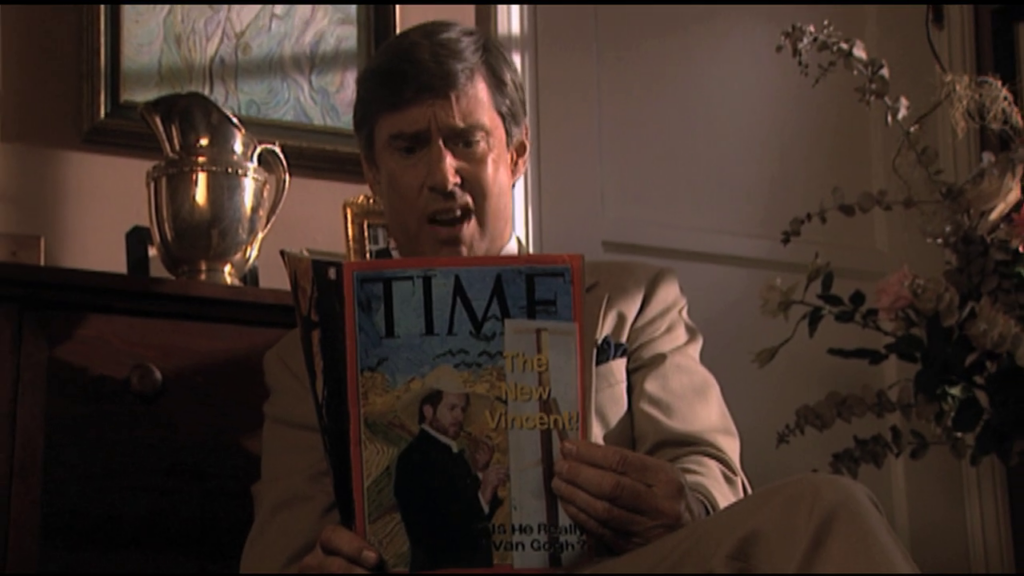
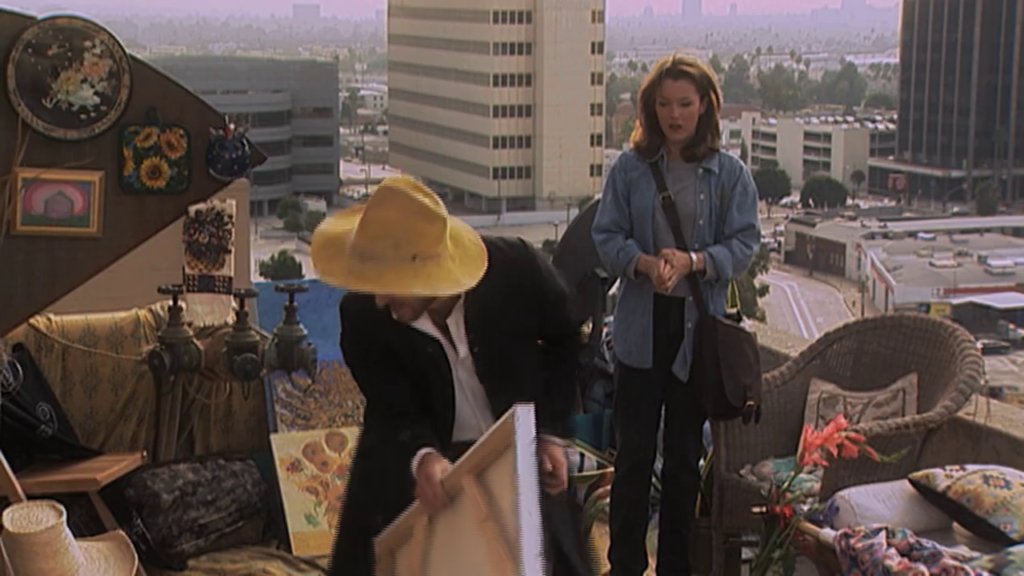
THOUGHTS/ANALYSIS: Starry Night is a 1999 film based around the Dutch artist Vincent Van Gogh. The opens up with Van Gogh being visited by a strange woman who gives him a potion that apparently will bring him back to life about a hundred years after he dies. Who she is, why she has such a potion, why it takes about a hundred years to come to back to life; none of this is explained any further. We cut to a grave of Van Gogh, and next, a present day parade with Van Gogh wandering around lost. Again, no detail given to how he managed to resurrect himself and get there. This is an ongoing issue with this film, in that the scenes are very disjointed and often implausible how one gets from one scene to the next. This continues when Van Gogh ends up in hospital next to a lawyer from Los Angeles, and next scene, he ends up in L.A. There’s no conceivable way Van Gogh would be able to travel from the Netherlands to the U.S.; he’s not exactly going to have a passport is he? There’s a bit of the typical fish-out-of-water scenario as Van Gogh tries to adjust to the present day (of 1999), but there’s not a lot. The story instead is focused on the plot of Van Gogh learning about how valuable his artwork has become, sets out to steal his artwork from the rich collector’s that have brought them, and attempting to prove that he is who he says he is, and they are his property. Again, how he is able to constantly break into mansions, evade modern security systems and steal highly valuable artwork is never really explained.
The purpose of this film is, it seems, to be a more positive, feel-good film, providing a “happy ending” for Van Gogh of sorts: while he was largely forgotten and unsuccessful in life, this film aims to show the artist that his work would find fame and acceptance. The specifics of that, as mentioned, are very light on details, and the story lacks any real direction, hobbling along with a barebones romance and minor disputes to support it. The very low budget doesn’t allow for anything of real interest to happen, and locations are very limited or obvious greenscreens. The acting is also very poor: David Abbot as Van Gogh barely conveys anything interesting or emotionally engaging, and his attempt at a Dutch accent constantly wanders into Irish, which is very silly. The rest of the cast too, fail to generate anything noteworthy. While I appreciate there’s some heart in this film to give Van Gogh’s life a happy ending, there’s no effort to make a cohesive story or film in general, skipping over important details, having no direction, and flat performances that make the film irrevocably dull. There’s plenty of better films about van Gogh out there.
-
#706 – Supersonic Man (1979)
Supersonic Man (1979)
Film review #706
Director: Juan Piquer
SYNOPSIS: A superhuman being from another planet is sent on a mission to Earth to save humanity from itself. Settling in New York City under the name of Paul, he has to stop the sinister plot of Dr. Gulik, who plans to take over the world…
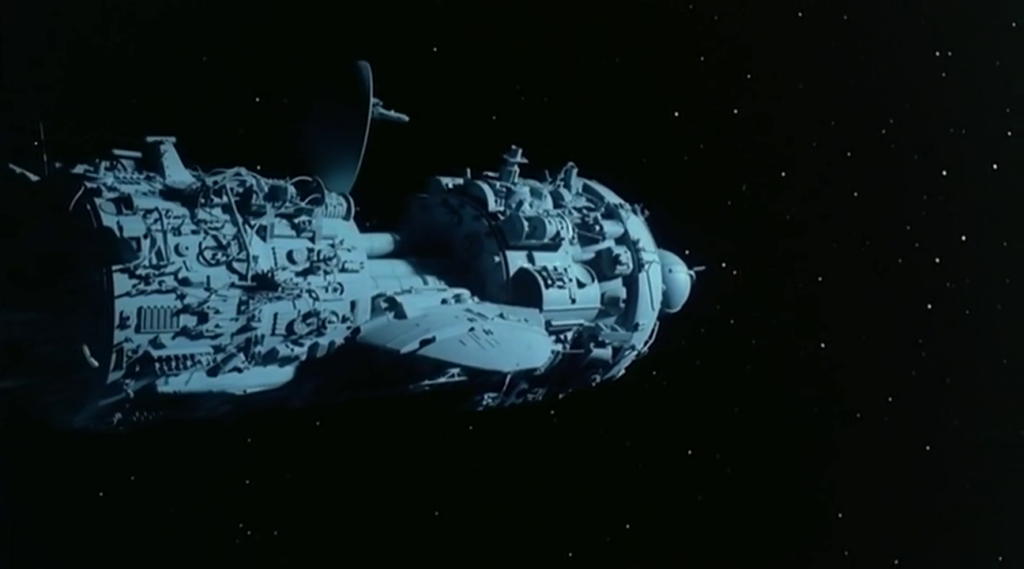
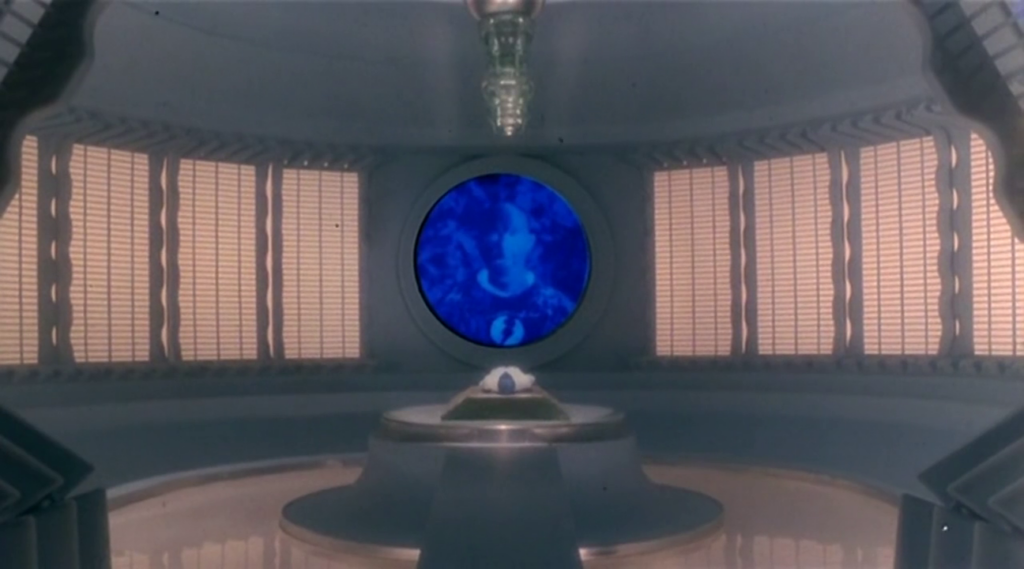
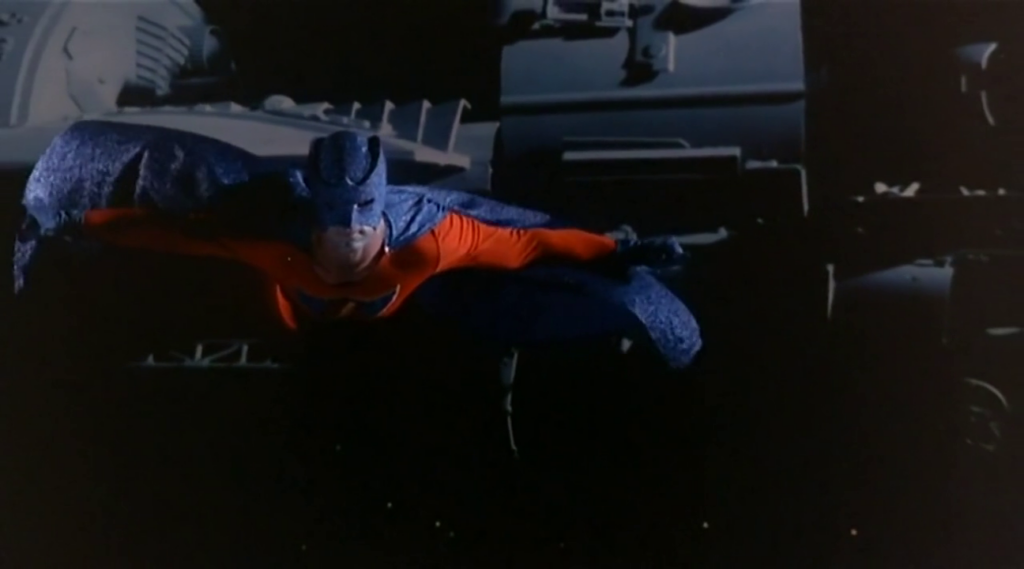
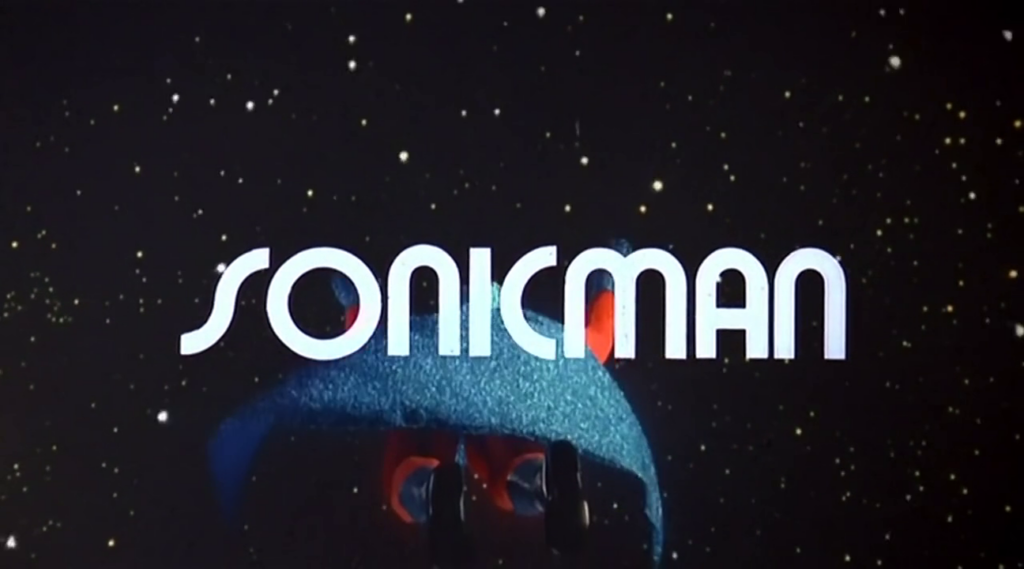
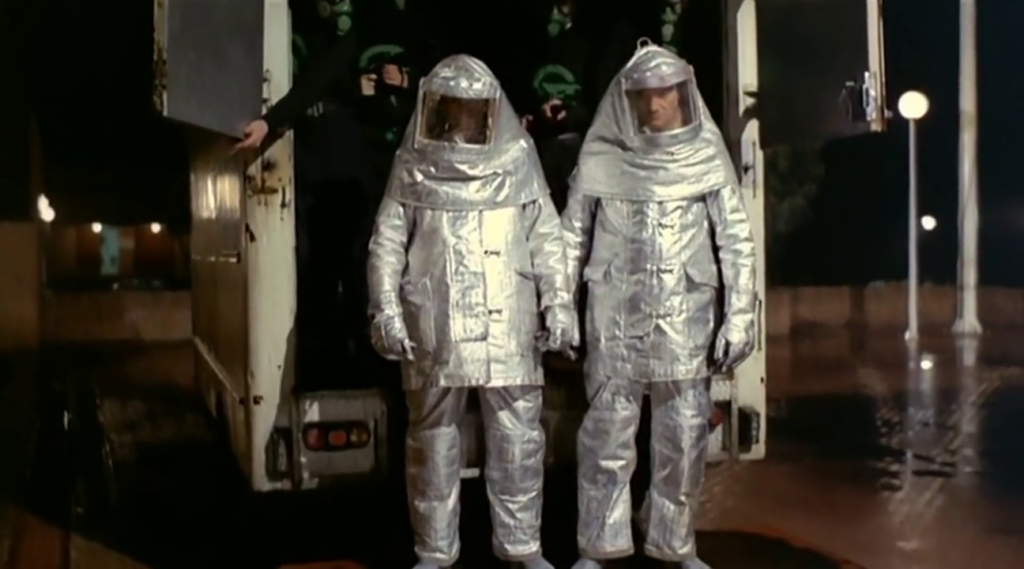
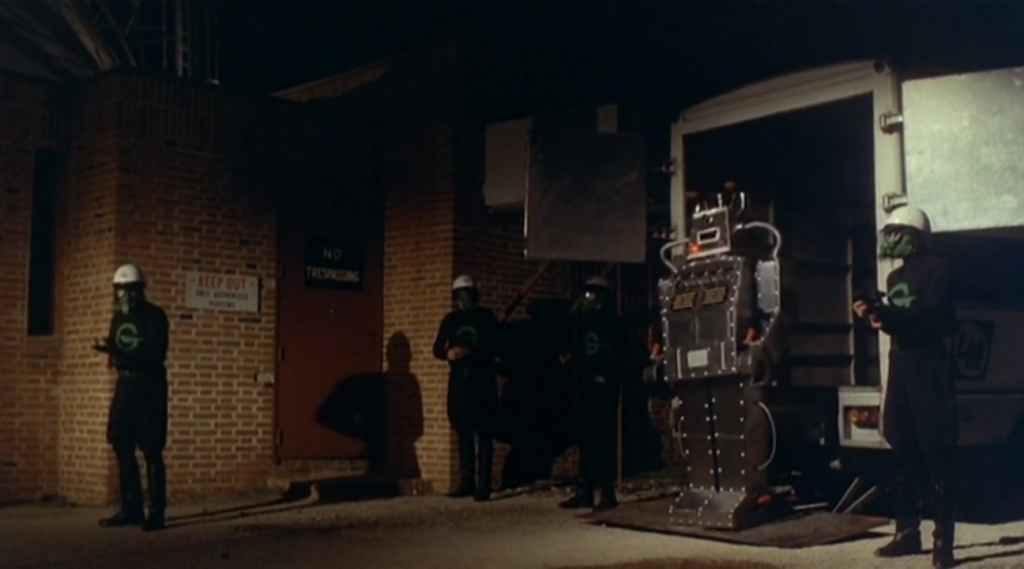
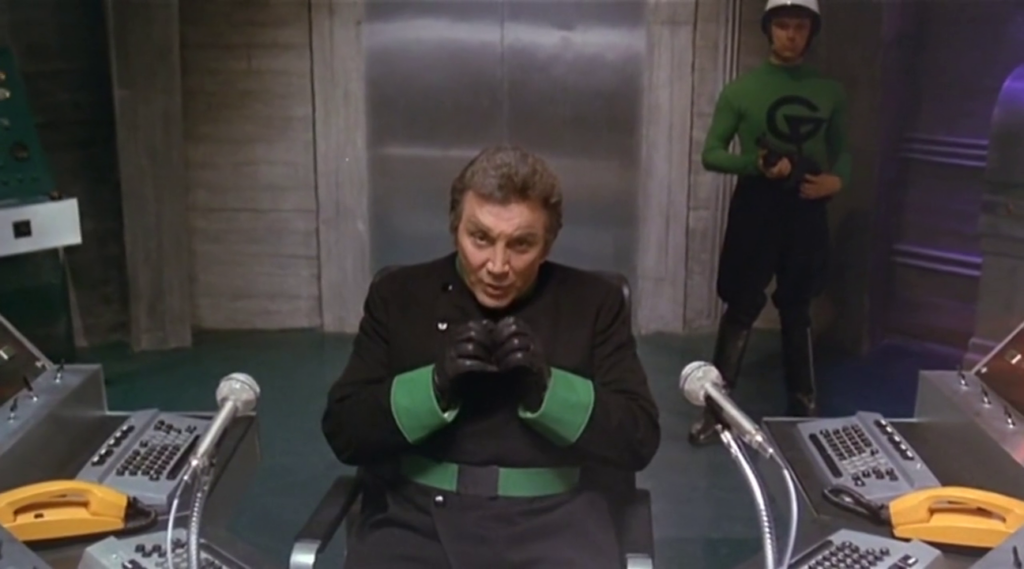
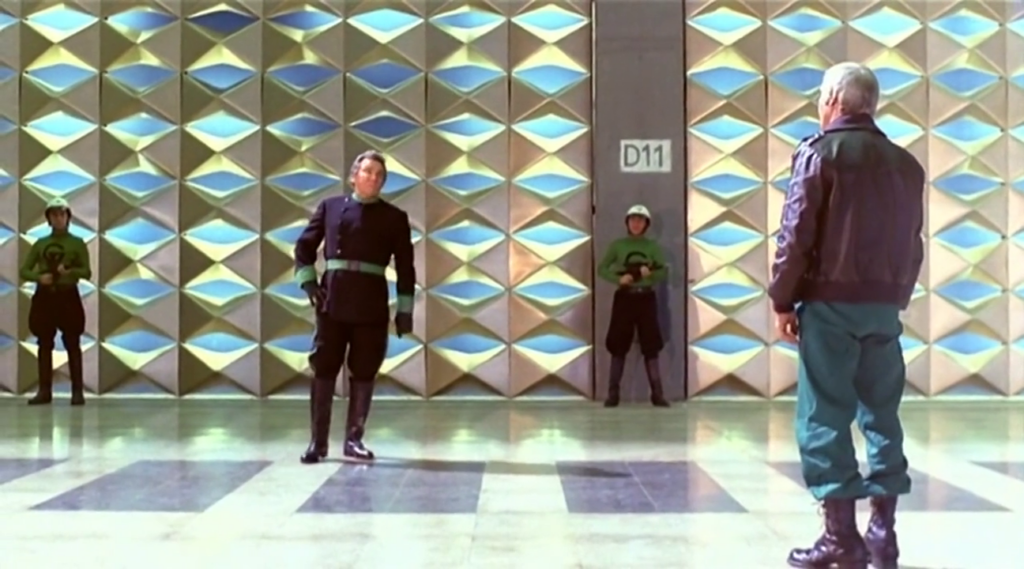
THOUGHTS/ANALYSIS: Supersonic Man (sometimes known as just Sonic Man) is a 1979 superhero film. From the outset, we see our hero in a spaceship or capsule thing as he is sent to earth to save humanity from himself, eventually coming up against some evil genius. It will not take much brainpower to work out that this is a low-budget derivation of the recently released Superman films of the time, looking to cash in on that much more successful film. From the opening, featuring tacky special effects, iffy greenscreens, and a robot that’s built out of cardboard boxes and wielding a flame thrower, you know what to expect from the rest of the movie; and yes, it offers no real surprises: Sonic Man’s must protect his love interest, she gets kidnapped anyway, her Father is a scientist who has also been kidnapped to work on a superweapon…all the usual stuff. There’s never really a point where the film takes on it’s own identity and doesn’t feel like a rip-off.
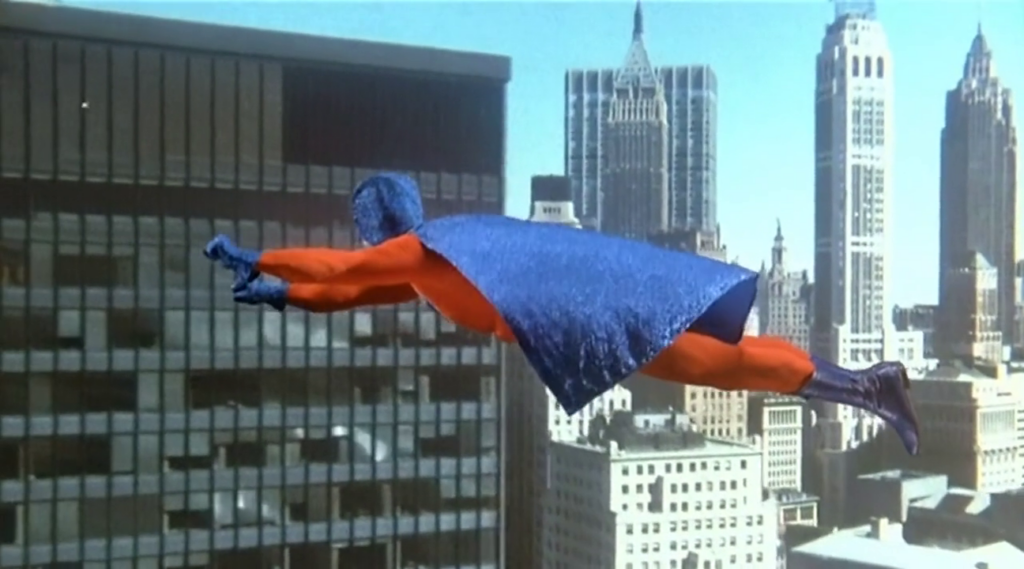
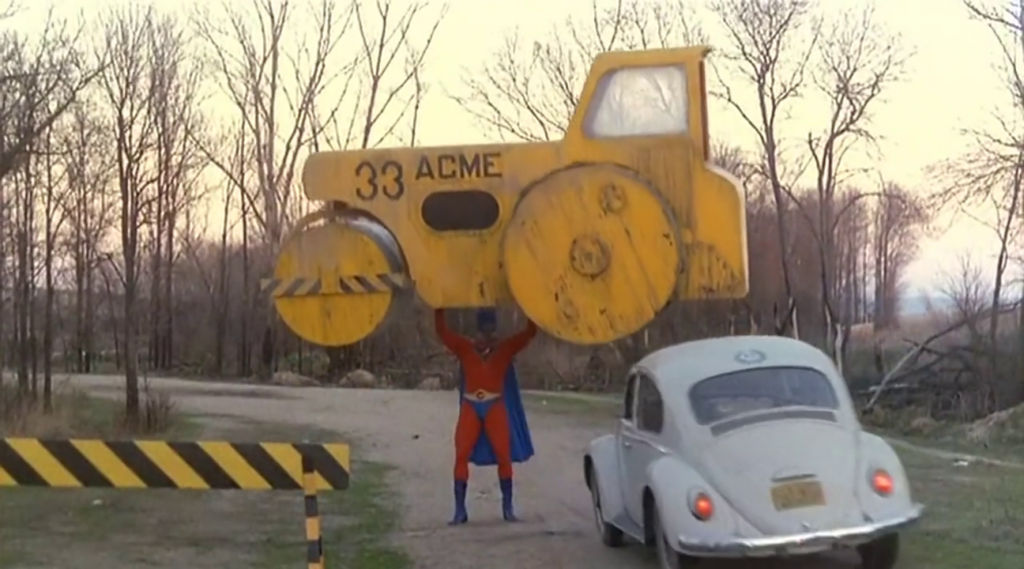
The funniest moments in this film (unintentionally) are when Sonic Man has to use his super powers and the special effects have to find a way to produce them: from iffy greenscreens as he flies above New York City, to lifting up a bulldozer that is clearly just a drawing on a flat board, nothing is convincing and it always looks silly. The daft costumes that serve no purpose too make it very difficult to take anyone seriously. The soundtrack is perhaps most notable for having a theme song that is reused every five minutes to really drill it into you and try to forget about the much better Superman one. Not really much else you can say about it really: you can immediately tell it is a Superman knock-off and it fulfils that expectation, throwing in the typical low budget features and hallmarks that gives you something to point and laugh at I suppose.
-
#705 – The Fourth Kind (2009)
The Fourth Kind (2009)
Film review #705
Director: Olatunde Osunsanmi
SYNOPSIS: A rural town in Alaska is plagued by a series of strange events. Abbey’s husband is murdered, and Abbey suspects that an alien abduction was involved, and as other such cases start happening in the town, Abbey tries to uncover the truth before more people are affected…
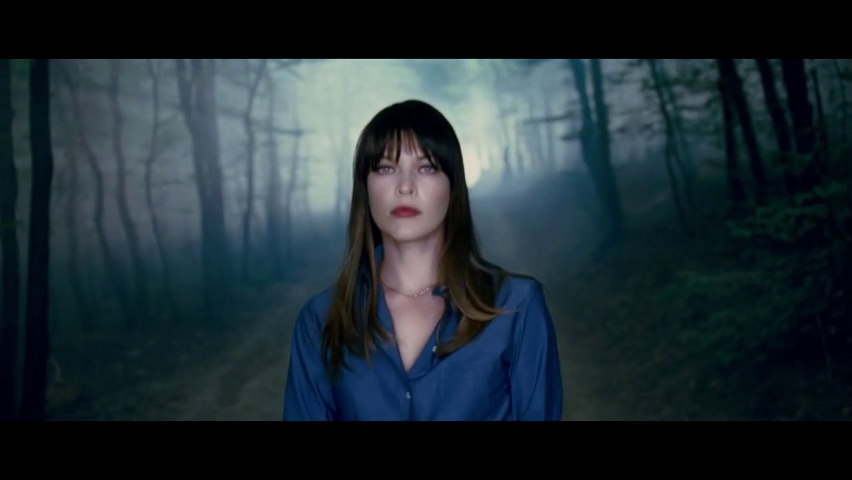
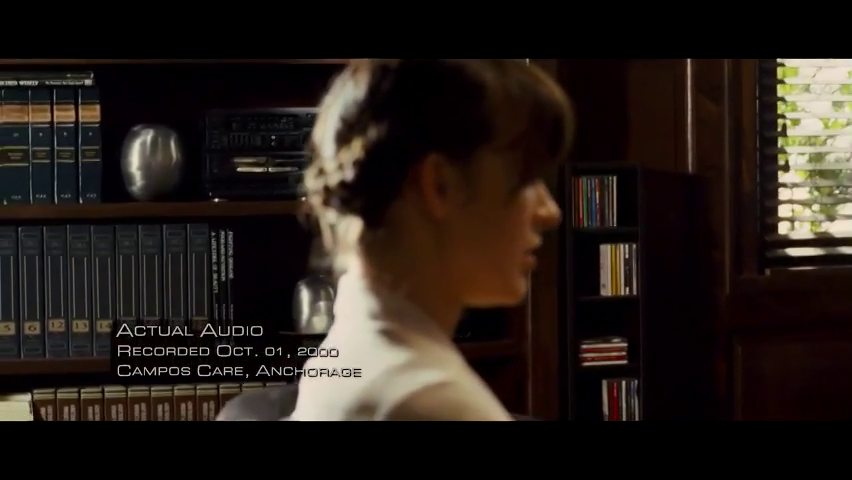
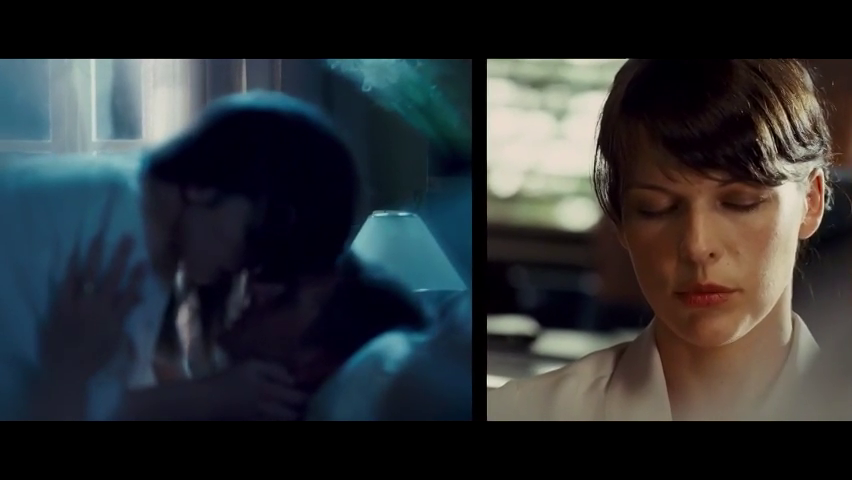
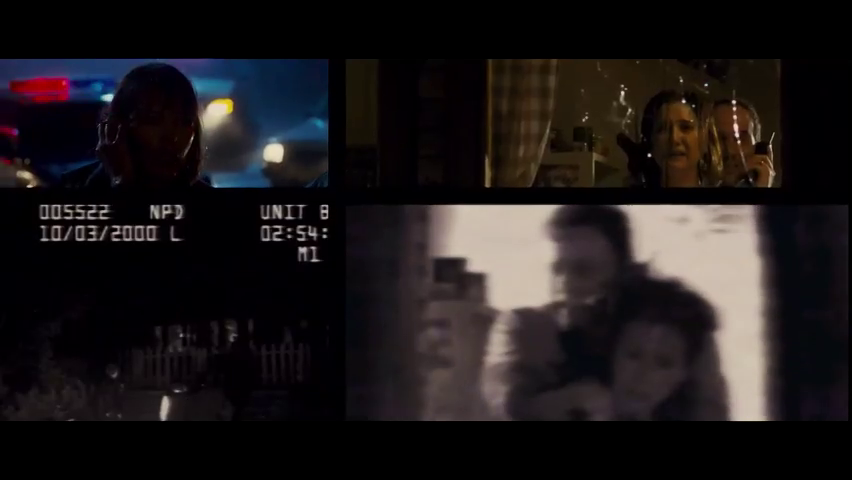
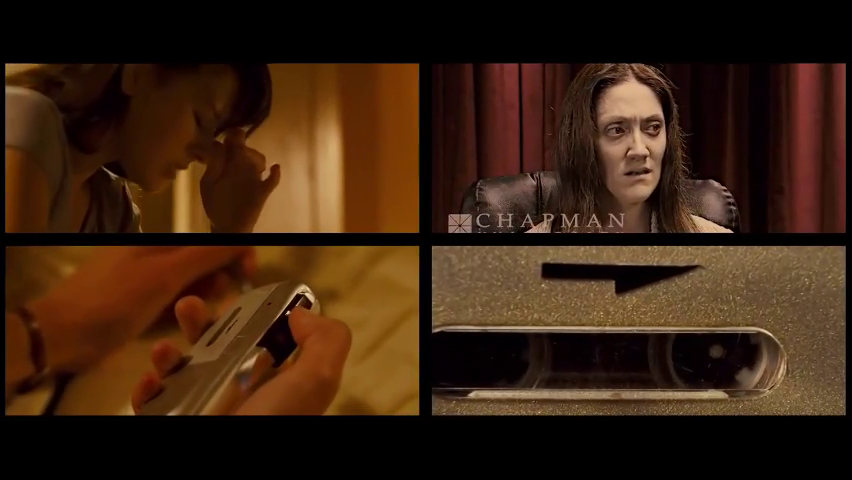
THOUGHTS/ANALYSIS: The Fourth Kind is a 2009 science-fiction psychological thriller. The opening, introduced by Milia Jovovich, who plays the protagonist Abbey, but here is out-of-character. She tells how the events of the film are based on a true story, included archival footage of “actual events” and caution should be advised, and an open mind required to experience the events. This is, in actuality, all a lie: even the archival footage and the “real events” are made up for the purposes of this film. It’s honestly a bit strange to present the story this way, and while I think it could work, here the story is nowhere near as compelling or convincing as it needs to be. The “found footage” stuff is presented convincingly, but once you know it’s fake, it falls apart quickly (although you probably would not know that unless you looked the film up). It’s quite possible, however, you will feel cheated if you know that the real events are false, and you’re essentially being deceived.
Abbey is a psychologist who believes her husband was murdered by aliens attempting to abduct him. As other strange events happen in town, Abbey believes they are also connected to her Husband’s murder. Her investigation throws out some oddities, but I didn’t that anything interesting really was uncovered: everything was a bit too ambiguous. When the film starts throwing in Ancient Sumerian writings as well is where it really lost me: there’s just too many loose ends to really pull anything out of the movie. If you really buy into the marketing around this movie and the idea of the found footage, you could perhaps find something in this. Also, there is a sense of ambition and potential in the setup, but outside of that, The Fourth Kind doesn’t give quite enough behind it’s marketing hype.
-
#704 – The People that Time Forgot (1977)


The People that Time Forgot (1977)
Film review #704
Director: Kevin Connor
SYNOPSIS: Major Ben McBride learns that his friend Bowen Tyler may be alive in a remote region of Antarctica, and organises a rescue mission. Arriving there with his crew, he finds a forgotten land full of danger, dinosaurs, and not-so-friendly inhabitants, who will make things difficult as Mcbride tries to find his friend…
THOUGHTS/ANALYSIS: The People that Time Forgot is a 1977 film based on the works of Edgar Rice Burroughs, and a sequel to The Land that Time Forgot. The story sees Major Ben McBride (the only returning character from the previous film) organising a rescue mission to Antarctica, where he believes his friend Bowen Tyler has been stranded. Travelling there, he and his team encounter a forgotten land full of mythical creatures, people and danger. The film follows the vein of similarly successful ventures such as its predecessor and Journey to the Centre of the Earth, for example: it’s a fairly standard adventure filled with dinosaurs, natural disasters and action that ticks all the boxes, but isn’t anything particularly special. There’s nothing unique about the dinosaurs brought to life by outdated special effects, or the cast of characters which fill very typical roles. There’s some highlights when we get the establishing shots of locations such as the lair of the inhabitants, and if you really like explosions, there’s a lot of them too, but everything around that just feels very formulaic, and doesn’t generate a spirit of adventure by encountering things new or interesting.
The cast of characters consist of exactly what is necessary: one heroic lead, one woman, one professor, and a native inhabitant. There’s no interesting or original dimension to their personalities to appeal to viewers or make them memorable. As mentioned, the special effects are very outdated, and even by the time not that spectacular: the clearly model dinosaurs do have some interaction with the crew to make them seem like they are actually there, but they’re not very animated. The big thing which I think made the film feel like a waste is that (spoiler) the crew manage to find Bowen, but he dies before they can leave, which makes the whole “rescue mission” seem pointless. A typical climax revolving around throwing people into a volcano and escaping as the land erupts again doesn’t illicit much of a reaction. The sheer volume of explosions at the end as the crew are trying to escape is quite a spectacle, but they are just explosions. There’s very little to grasp onto in The People that Time Forgot: everything in here is done better in similar films, and it fails to stand out. it ticks all the boxes with big creatures, action scenes and an adventure with some sense of scale, but there’s nothing to recommend it over it’s predecessor or others in the genre.
-
#703 – Invasion of the Star Creatures (1962)


Invasion of the Star Creatures (1962)
Film review #703
Director: Bruno VeSota
SYNOPSIS: A pair of hapless army recruits are roped into investigating a nearby cavern that was recently discovered. It just so happens that said cavern is home to a pair of aliens and their deadly creatures that are threatening to destroy the world, and Earth’s only hope is the two hopeless Privates…
THOUGHTS/ANALYSIS: Invasion of the Star Creatures is a 1962 sci-fi film. From the outset, it’s clear this is meant to be a comedy and parody of the b-movie science-fiction films. The main issue of this is abundantly clear, in that the low budget b-movies are themselves already open to ridicule thanks to their daft costumes, wooden acting, and implausible plot holes, so there’s seemingly very little purpose in actually trying to make fun of them. Nevertheless, we have two army Privates, Philbrick and Penn, who form a comedic duo who are roped into saving the world from two aliens who just so happen to have the form of scantily-clad women. The plot is barely there; stringed together from typical b-movie scenarios that poke fun at them a little, but nothing with any real substance. The humour is mostly slapstick and without teeth, but there’s no real budget or imagination to do anything exaggerated and over the top, making the physical humour extremely limited and barren. It’s not to say the entire film is completely flat; it does have a bit of energy and momentum, but it’s nothing special or unique.
you could perhaps imagine the film working better if the leading pair were bigger stars or a comedic duo with more chemistry. As it stands, Bob Ball and Frankie Ray don’t really have the necessary dynamic, appeal, or expertise to pull off anything noteworthy. One aspect which probably stands out the most is the costumes for the aliens, which are just body suits with carrots hanging off them, leading to perhaps the most notable line of the film: “That’s the first time a salad has ever tossed me!”. Watching it today, there’s really not a lot you’ll get out of it that hasn’t been done before and done better elsewhere. Also, there’s a whole host of outdated jokes and portrayals around women and native Americans which certainly have not stood the test of time. In conclusion, there’s nothing to really recommend Invasion of the Star Creatures nowadays.
-
#702 – Synchronic (2019)


Synchronic (2019)
Film review #702
Directors: Justin Benson, Aaron Moorhead
SYNOPSIS: Two paramedic workers, Steve and Dennis, increasingly have to deal with patients that have take a new drug called “Synchronic,” which allows the user to experience powerful visions through time. As Steve discovers he has an incurable brain tumour and Dennis’s daughter Brianna goes missing after she uses the drug, Steve begins to experiment with the drug itself and discovers it actually allows the user to travel through time. Steve believes that Brianna has disappeared somewhere in time, and is determined to work out how to find her before it is too late…
THOUGHTS/ANALYSIS: Synchronic is a 2019 sci-fi film. The film centres around two paramedics, Steve and Dennis, are having to deal with a host of new patients using a new drug called synchronic, which allow the user to experience strange hallucinations, particularly around travelling through time. Steve is diagnosed with an incurable brain tumour, and Dennis’s’ daughter Brianna goes missing after using the drug. With little time left, Steve decides to experiment with the drug himself and figuring out how it works to allow someone to travel through time, concludes that Brianna must have got stuck somewhere in the past, and tries to find a way to rescue her. the first thing that springs to mind about this film is that it’s somewhat dense and difficult to get into: the drug producing these bizarre effects makes it difficult to grasp just what is happening and how real all of it is. The film eventually settles down and becomes a bit more defined with regards to it’s objectives, but it takes a while to get there. The other thing which holds the film together is the relationship between the two leads, and this is done quite well throughout, providing a solid tether in an otherwise unstable narrative. The latter half of the film is a lot cleaner, as Steve learns about how Synchronic works and we learn alongside him. It’s a bit literal, and feels like it swings too far the other way from the overly dense to the overly exposition-based, but it sets up the stakes and the motivations for the characters, and you can follow the plot well enough.
I’m not too familiar with the directors other films, but it seems to fit in with their cinematic style, so if you like those, you’ll like this one. It’s weird, stylish and dramatic, giving you a good amount of things to experience and consider. Given that the time0-travel concept is used, it inevitable throws up some plotholes and things which are difficult to make sense of, but that’s par for the course. It is strange how the film starts off very odd and explores its concept in a more abstract and surreal way, before settling on a very straightforward premise of rescuing someone for the finale. Certainly not a bad film that tries to push the envelope a little, but fails to balance it with a sharper script and purpose.