Film reviews
-
#364 – 3 Giant Men (1973)
3 Giant Men (1973)
Film review #364
Director: T. Fikret Uçak
SYNOPSIS: A smuggling gang led by Spider-man is stealing precious artefacts in Turkey and selling them for huge profits in the U.S. The Turkish authorities call in Captain America and Mexican wrestler Santo in order to defeat Spider-man and stop the smuggling ring.
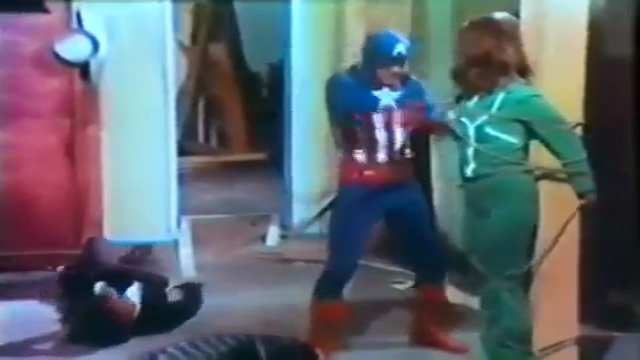
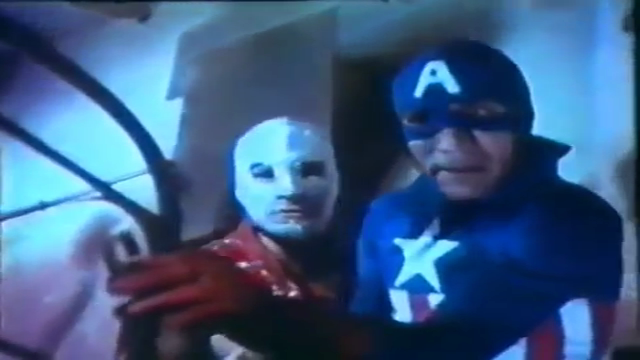
THOUGHTS/ANALYSIS: 3 Giant Men (3 Dev Adam) is a 1973 Turkish superhero film. The film centres around Captain America and Mexican wrestler Santo trying to stop a smuggling ring headed by Spider-man (or “the Spider” as he is called in the film). It may strike you from this summary that this is a completely bizarre concept for a film, and makes very little sense considering the characters themselves, but we’ll get on to that later. First, the story begins with a woman being caught by Spider-man’s gang and being killed by having a boat’s propeller reversed into her face (offscreen anyway, signified by the spraying of what looks like tomato ketchup onto the legs of a witness). With this smuggling gang stealing and killing all over the place, the Turkish authorities call in Captain America and Mexican wrestler Santo in order to stop the gang. The story unfolds without any surprising or complex elements; the premise is laid out at the beginning and it’s followed through until the end without interruption. The story reminds me of classic movie serials, which consisted in a lot of this constant back and forth of fight scenes, car chases, and investigating.
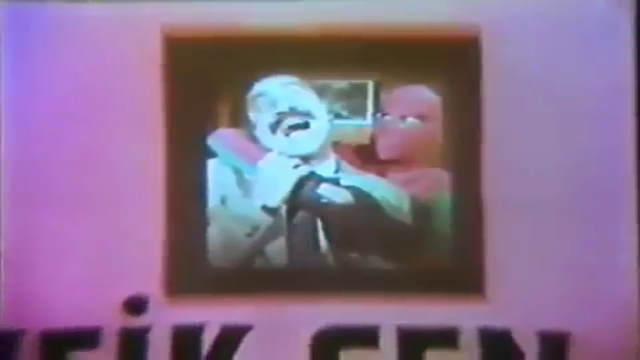
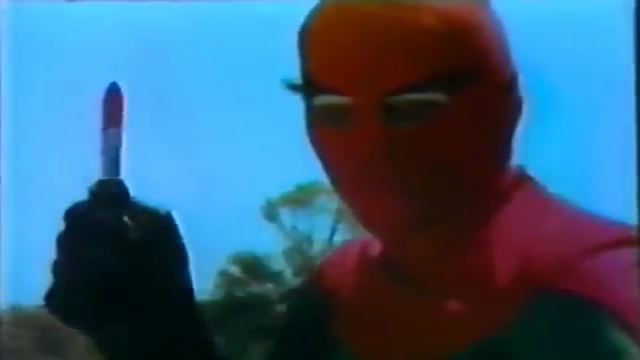
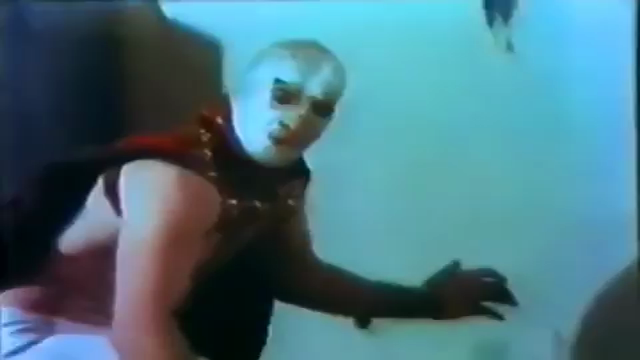
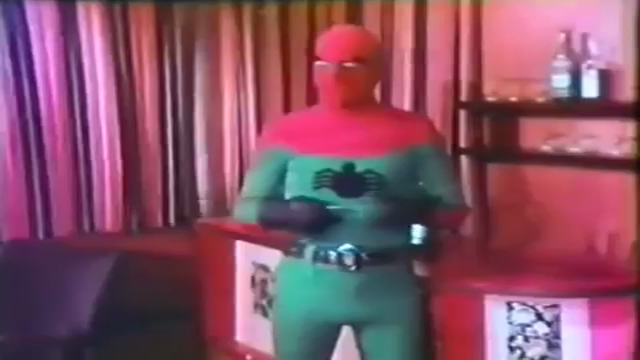
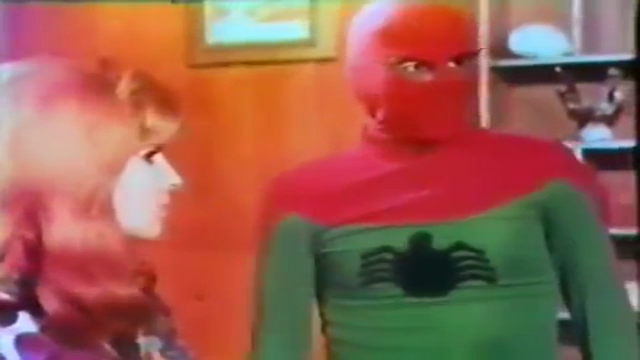
Okay let’s talk about the characters: first, Turkish cinema around this time is infamous for using characters and footage from other properties without permission, and I’m pretty sure this is another example of that. When the police chief first meets Captain America, he remarks how good his Turkish is for an American…except it is plain to see that he is not American, he is played by a Turkish actor, who consequentially does not resemble Captain America in any way. I wonder how much Turkish audiences in 1973 would be familiar with American superheroes, and since it is probably very little, I suppose they could get away with just doing whatever they wanted with the characters. The Mexican wrestler Santo is an original character for the film, and puts on his wrestler mask and cape whenever he needs to fight some bad guys. At one point he is seen wearing a native American jacket, which is a bit odd if he is Mexican, and I wonder if the filmmakers were just conflating the two out of laziness and/or ignorance. Spider-man being the villain is probably the oddest character of the film, as he is one of the most innocent and naive of any superhero. Here, however, he is portrayed as a ruthless murder, who stabs multiple people, tortures them and at one point sends some rats down a ridiculous contraption to eat someone’s eyes out. Perhaps the most bizarre part of his character is when Captain America is explaining that Spider-man cannot stand people who dress up in costumes (such as Captain America), and he will automatically attack them on sight. How does that work? Is he jealous that his ill-fitting suit is upstaged by other costumes? I assume it’s that. Either way, “The Spider” is a ruthless villain with absolutely no connection to the original character, Also his huge eyebrows are a major distraction…
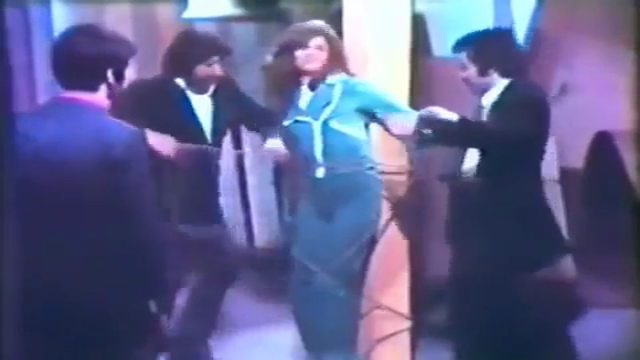
I can’t quite figure out who this film is meant to be for: the superhero characters might make you think it is a more family-oriented, as the original characters would have been, but the all the brutal deaths and torture (even though it is mostly off-screen) is definitely not family viewing. Couple that with the semi-nudity and stripper scenes and you’re definitely looking at a film intended for adults. The film as you might expect is a very low budget affair, with cheap sets, costumes and props being the norm throughout. Again, it reminds me of the classic movie serials, which used a limited amount of sets and props to keep costs low. There are some surprisingly good points though: Captain America’s suit looks pretty well done (in contrast to Spider-man’s green and red suit, which as mentioned does not fit well), and the fight scenes are quite decently choreographed, although clumsily edited in parts. At the end, the fight between Captain America and Spider-man gets incredibly ridiculous, with Captain America killing off Spider-man in a number of silly ways, only for him to reappear around a corner, and the fight carry on somewhere else. I assume they are all body doubles, but with this film it’s hard to tell what logic it subscribes to from one scene to the next. This film is ridiculous: it’s portrayal of it’s characters is completely at odds with the source material, the story is fairly basic, and is filled with odd scenes that make no sense (what was the deal with the puppet scene?). The film also crams in some raunchy scenes and gory violence that makes it feel like the film is just throwing all sorts into the picture without any consideration for a consistent tone. In the end though, you’re never going to take this film that seriously, and it’s worth a watch just to see how bad it is, and you’ll certainly get a laugh out of how cheap and silly it all is.
-
#363 – Solaris (1968)
Solaris (1968)
Film review #363
Directors: Boris Nirenburg, Lidya Ishimbayeva
SYNOPSIS: Dr. Chris Kelvin has arrived on a space station orbiting the planet Solaris. When he arrives, he finds that his colleague is dead, and the two remaining crew are acting strange. Things get even stranger when his wife, who died ten years ago, seemingly appears on the station with no memory of what happened to her. He learns that people important to each of the crew appear to them, and this is somehow connected to the planet Solaris below them. Chris and the other crew must try to determine how these people have come to be on the station, and indeed if they are real…
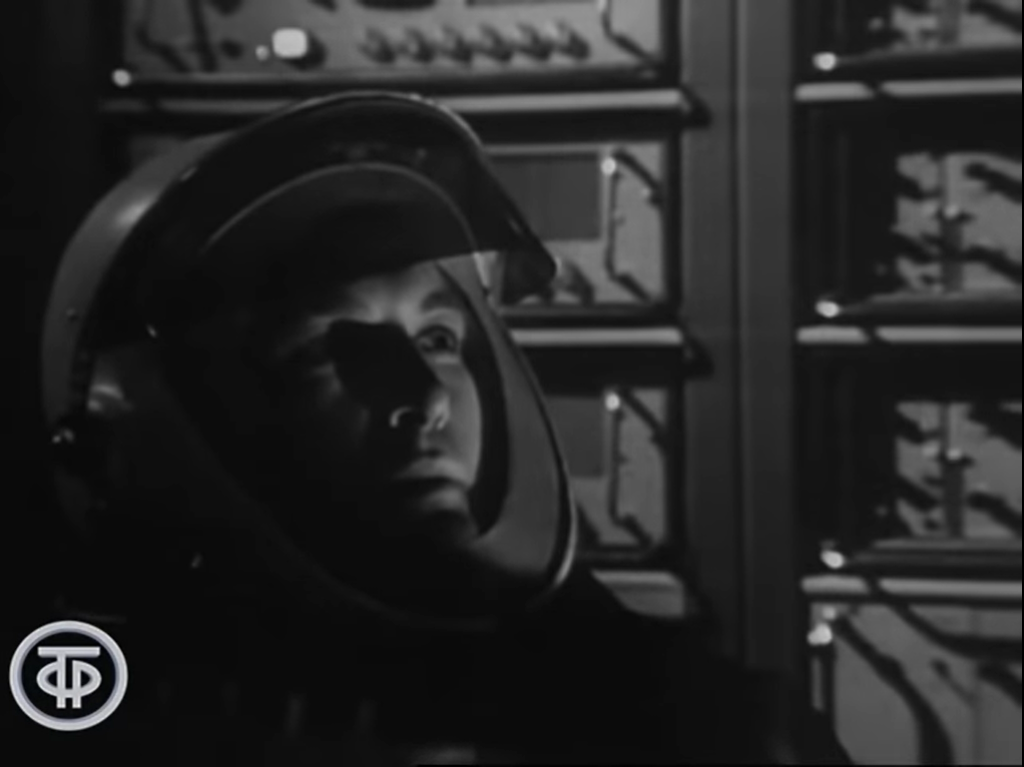
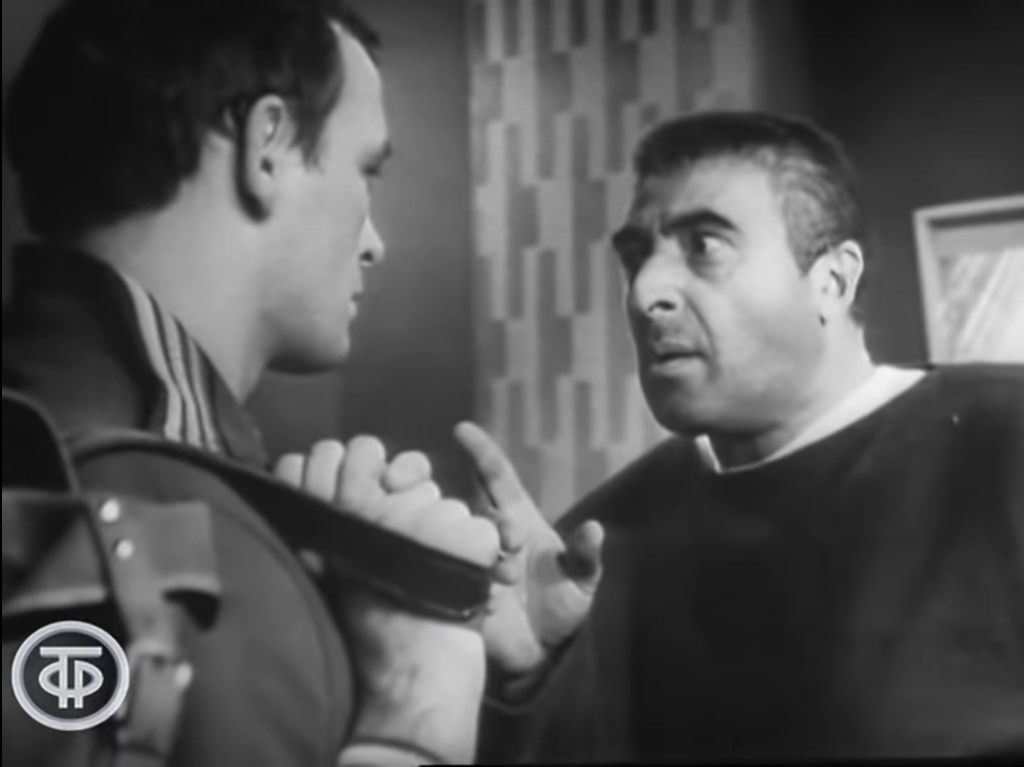
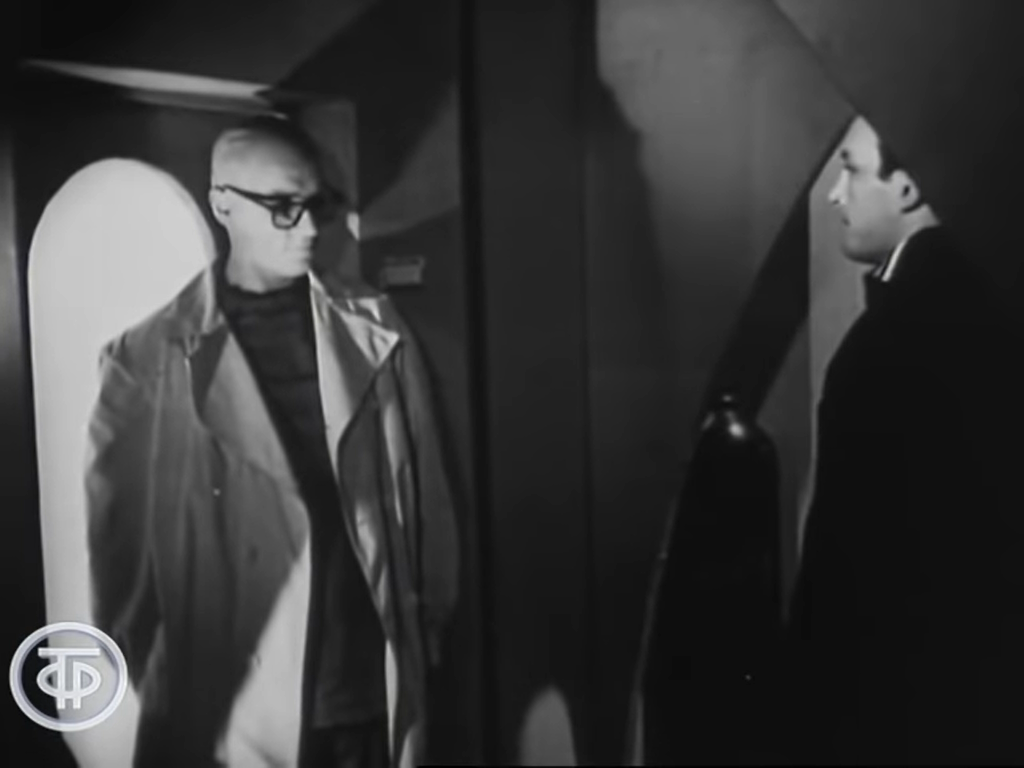
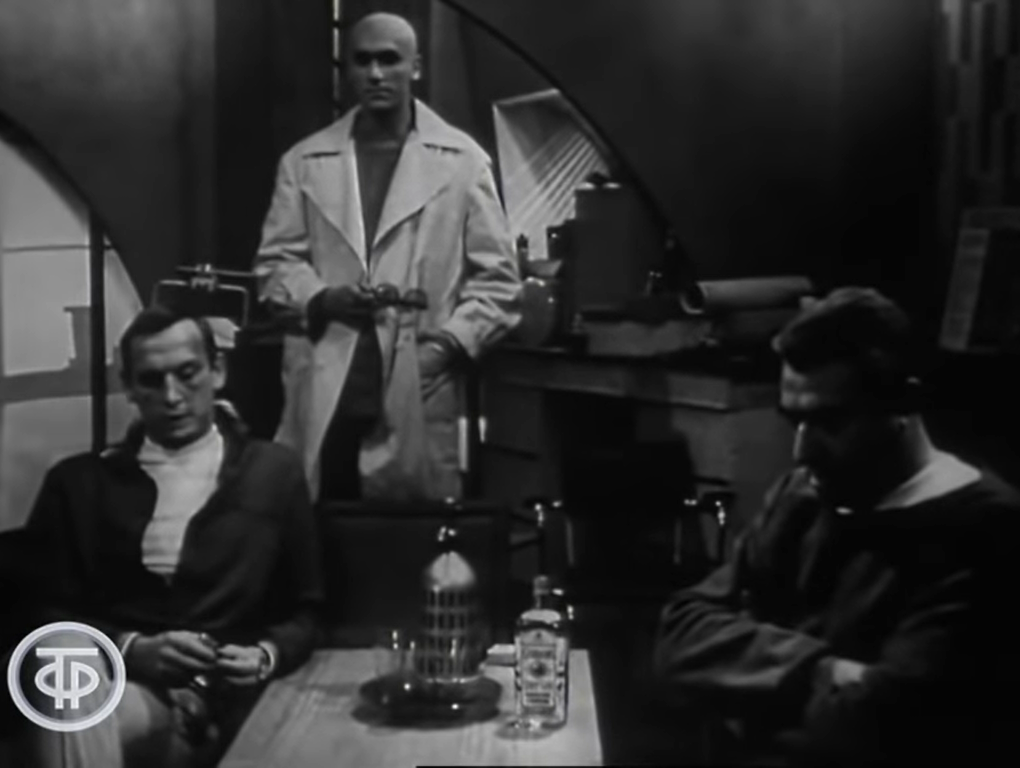
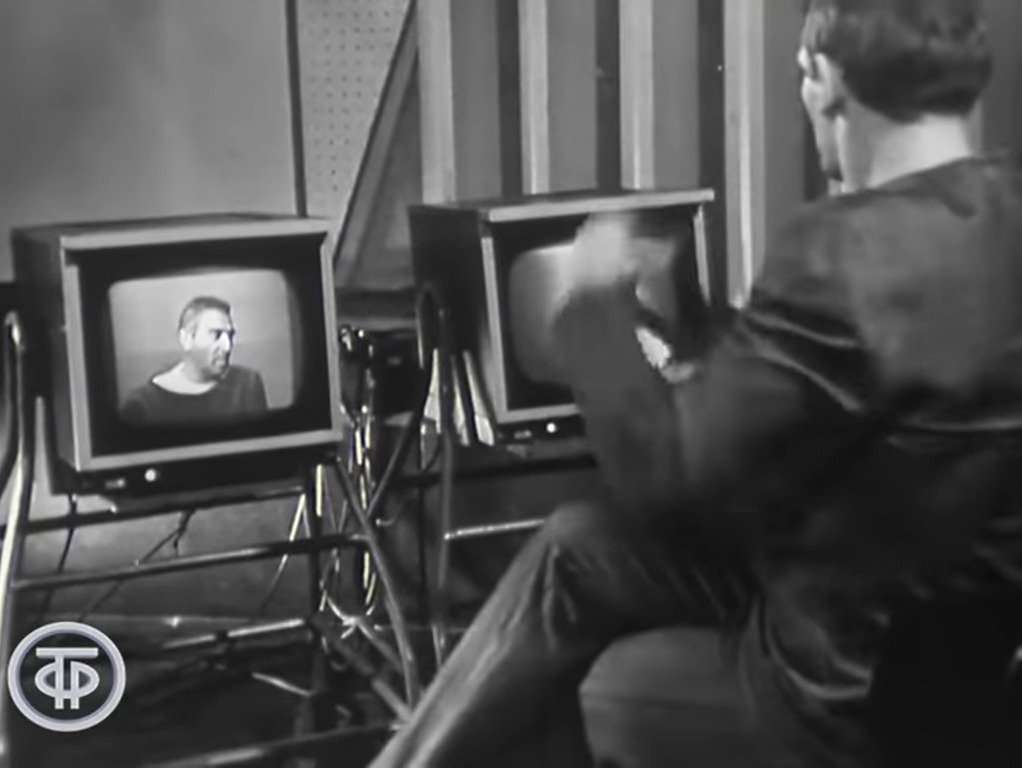
THOUGHTS/ANALYSIS: Solaris is a 1968 TV film based on the novel of the same name. It is the first adaptation of the book, but the least well known, having been overshadowed by the 1972 Tarkovsky version, generally considered to be a masterpiece of cinema, and to a lesser extent the 2002 version, which saw widespread release. The film opens up with Chris Kelvin, an astronaut and scientist, docking his shuttle with the space station orbiting the planet Solaris. When he arrives, he finds a peculiar set of circumstances, with his old friend and colleague dead having apparently committed suicide, and the two remaining crewmembers being extremely vague as to what is happening on the station. The film’s plot unfolds slowly, with the mystery being slowly unravelled while new complications are constantly added. It is rather similar to the other two films versions, so I will assume it follows the plot of the novel with some accuracy. It’s slow-paced, but it fits the story well, since it gives the viewer space to reflect on the themes that the film is exploring.
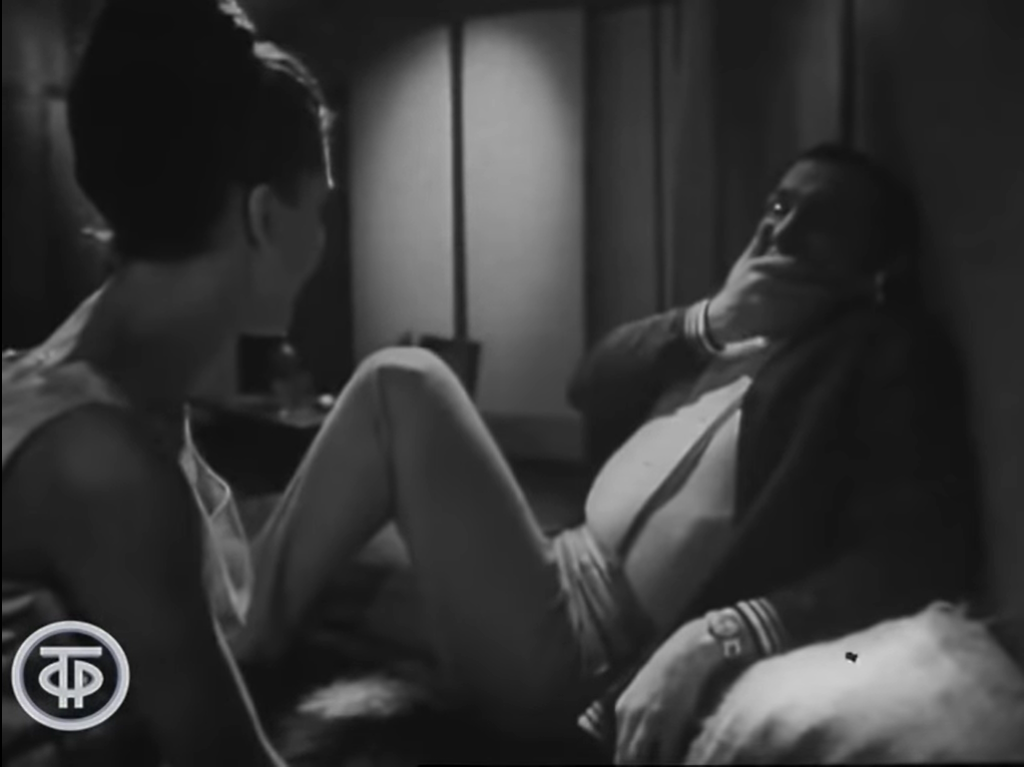
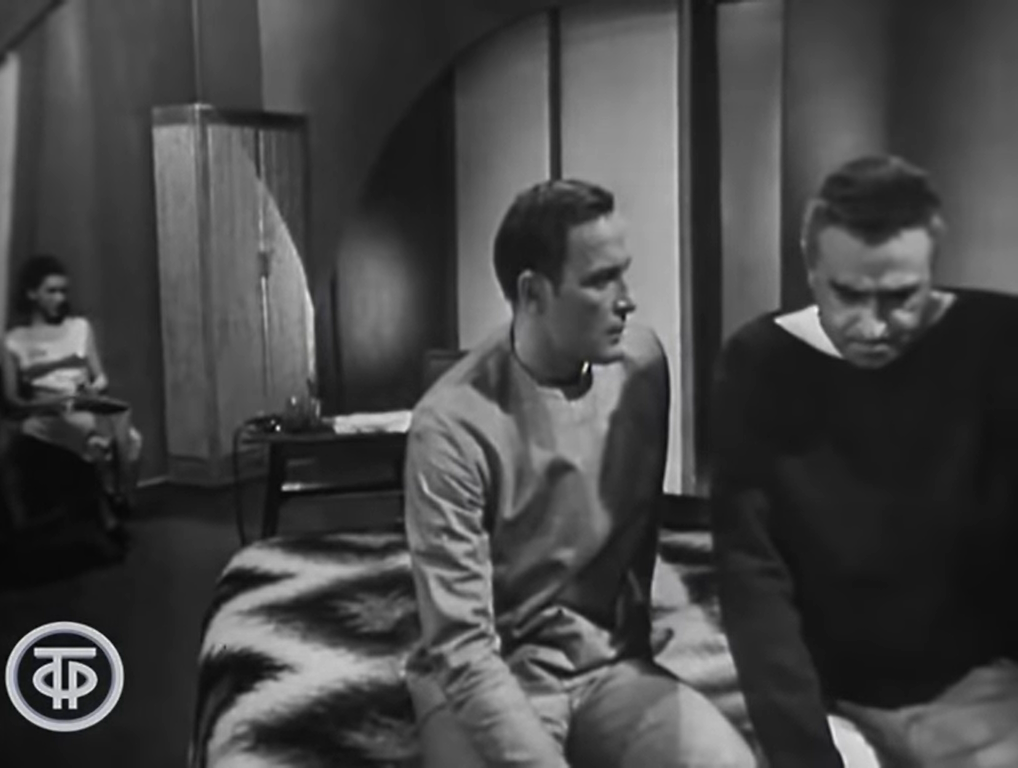
Upon finding his wife, who died ten years ago, seemingly alive and well on the station, he realises that each crewmember has had someone personal appear to them. They suspect it has something to do with Solaris attempting to communicate with them, and somehow reaching into each of their subconscious’ and materialising a person within. This is one of the primary themes of the film, and the means of communicating with an entity or being that is completely unlike anything that could be encountered on Earth. It is explained decently, and explored primarily through Chris’ relationship with Harrie, or the facsimile that has been created, which leads to the distinction between the real and fake being increasingly blurred. It doesn’t have the style and depth of the Tarkovsky version, but this no-frills version still gets its message across. A lot of the film does focus on Chris and Harrie, and it seems like a lot of the science-fiction emphasis is sidelined in favour of the film being more of a drama. We never get to see the people ‘created’ for the other crewmembers or get any clue to who they are, so that leaves an odd mystery that will never be solved (in this version anyway). This further reinforces the main relationship between Chris and Harrie, again emphasising their drama more than the larger concepts of the film.
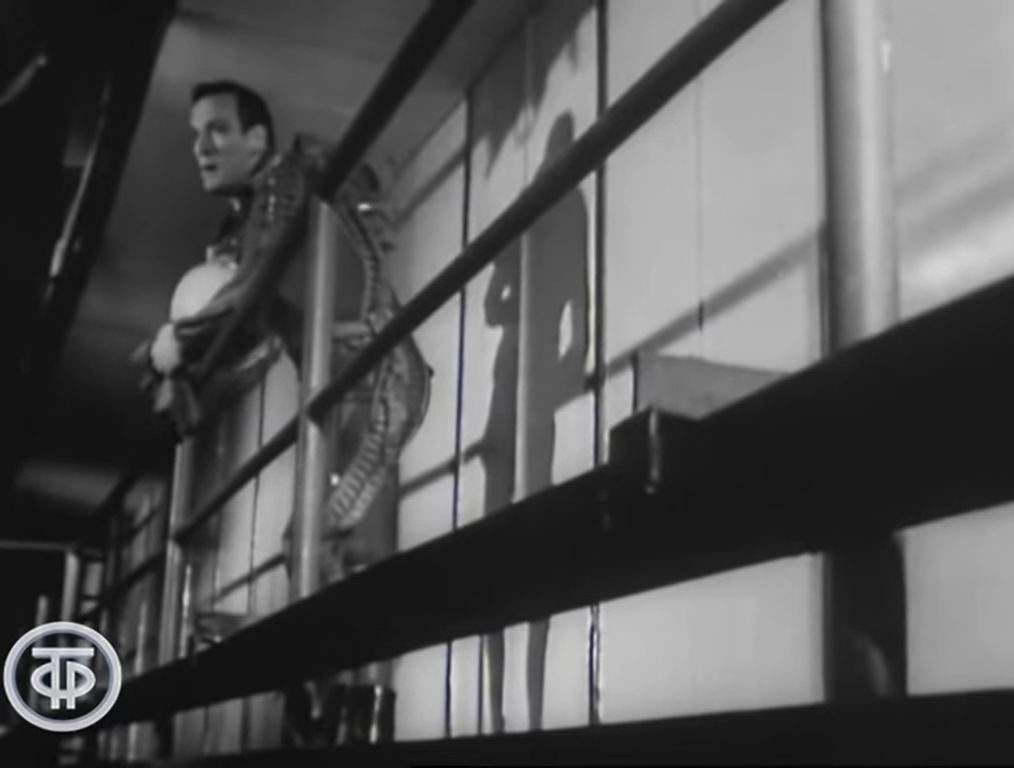
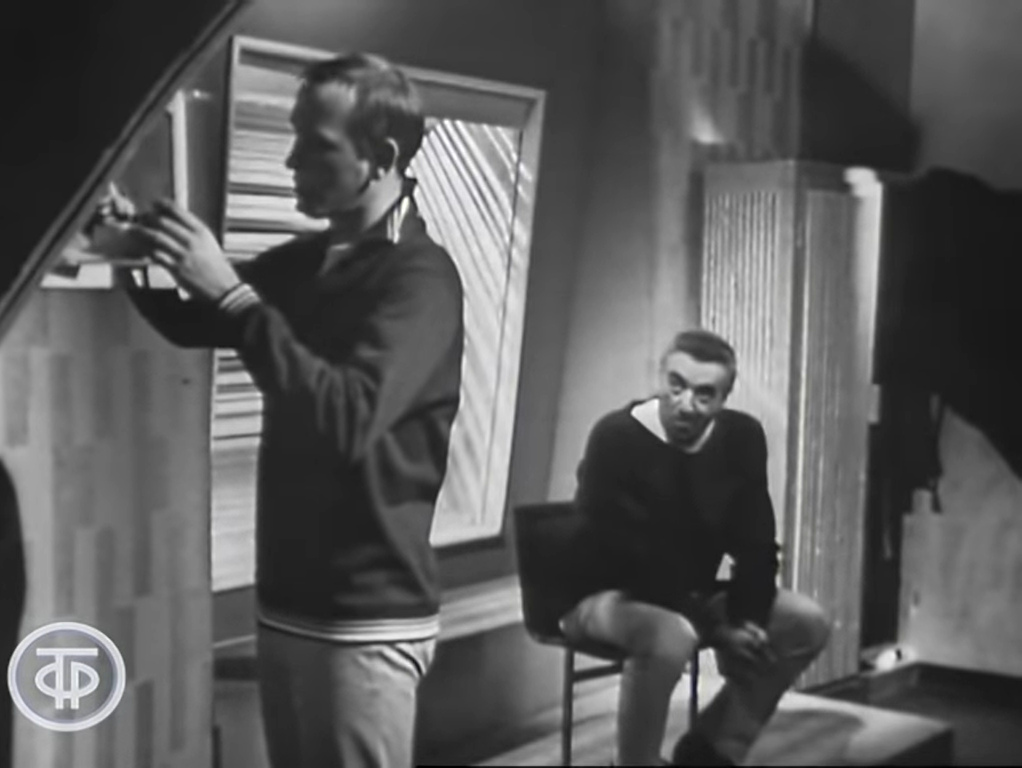
Even though this version doesn’t have the budget or vision of the Tarkovsky version, it still gets the story across well. Instead of elaborate sets and design, we see a rather sparse looking space station which instead emphasises a feeling of isolation, and gives the film a more horror-vibe at times. This is not a bad adaptation by any means: it delivers the story well, explains what’s going on clearly most of the time (there are some points, particularly near the end, that it gets a bit confusing), and explores its themes with a decent depth. However, given the 1972 Tarkovsky version is such a stellar adaptation and work of cinema, there is really not much value in watching this version, as everything in it is done so much better there. Overall, a decent adaptation, but completely eclipsed by its successor.
-
#362 – RoboDoc (2008)
RoboDoc (2008)
Film review #362
Director: Stephen Maddocks
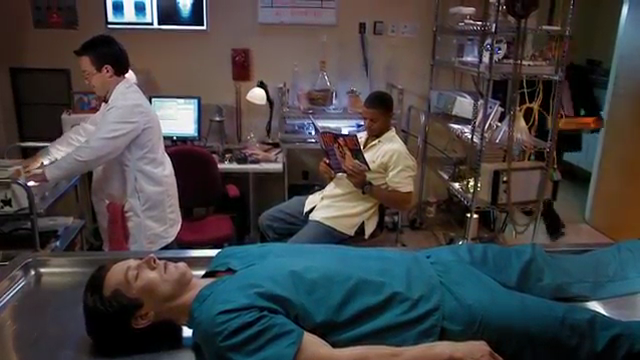
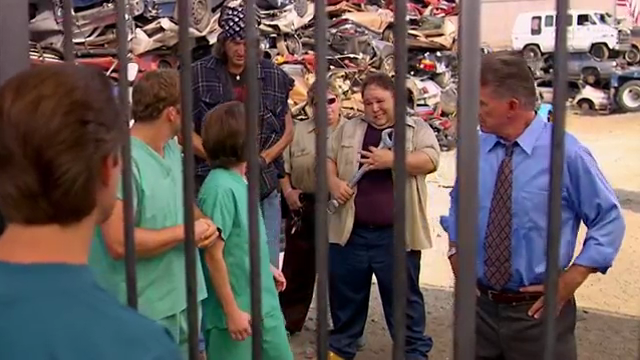
SYNOPSIS: A hospital is being constantly plagued by lawsuits from a greedy ambulance-chasing attorney. With another doctor quitting and the hospital fast running out of money, Dr. Roskin arranges for a new doctor to be sent, but doesn’t expect R.I.P. Healthcare to send a robot doctor, who is seemingly able to carry out medical duties without ever making a mistake. This causes problems for Jake Gorman, the attorney who is making money off all the malpractice cases, and working with Dr. Callaby, another doctor at the hospital who is in league with Gorman, the two try to find a way to stop “RoboDoc” before their money-making scheme is ruined…
THOUGHTS/ANALYSIS: RoboDoc is a 2008 sci-fi comedy film that somewhat parodies the RoboCop films, as the name implies. The film starts out introducing Jake Gorman, an ambulance chasing attorney who has made himself rich by suing doctors for malpractice. His constant lawsuits are pushing the North Mercy (or “No Mercy”) hospital to its limits, with doctors continually quitting and having their lives ruined. The opening of the film consists of a variety of gags and satirical looks at the U.S. healthcare system: from the ambulance-chasing attorneys, the lack of insurance for patients, and the ambulance driver adorning a racesuit, there’s a decent amount of content to get into. RoboDoc was written by two M.D.’s and so obviously they have the necessary experience to write about the setting of the film. I think there was definite potential in the outset to make this film offer a more thorough critique of the healthcare system through a comedic lens, but the film takes it in a completely different route and goes for just another raunchy comedy like so many we’ve seen before. Even in this direction, it needs to push some boundaries in order to be effective, but again it just doesn’t do enough to make it stand out.
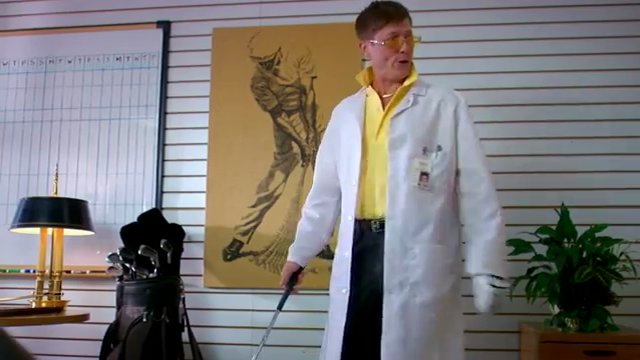
After another such incident of a doctor quitting over a lawsuit, Dr. Roskin, the chief of medicine arranges the R.I.P. Healthcare company (who fund the hospital) to send another doctor, which they do, in the form of MD-63, a robotic humanoid doctor who is appointed to the hospital. While Dr. Roskin, a technophile, is reluctant to let a robot do a doctor’s job, he is slowly convinced when he sees that “RoboDoc”, as he is nicknamed, is able to complete any form of care or surgery without mistakes, and thus making him impossible to get sued. This is the core plot of the film, with RoboDoc having to earn the trust of his fellow staff, as well as learn about compassion and the elements of care that go beyond his programming. These are all story elements that have been done to death, and so there are no real surprises here. The character of RoboDoc is also essentially a carbon copy of Data from Star Trek: The Next Generation; right down to the look and voice, which is a recognisable character, but again fails to bring any originality to the RoboDoc role, and doesn’t even satirise it. The actor playing RoboDoc does do a good Data impression though. The character of Attorney Jake Gorman also is well played, and his over-dramatic performances bring some life to the scenes he is in. The rest of the cast are pretty forgettable (apart from the few scenes with the character played by Michael Wimslow from Police Academy), and don’t have much significance in the story. There are the starts of some sub-plots initiated by these characters, but they never really go anywhere, making their roles rather muddled.
RoboDoc is not a high budget film, and has to make do with a fairly limited range of effects. These effects are not particularly convincing, and combined with the uninspiring camera work and wooden acting from some of the actors, you will struggle to take it seriously. There are some positives as I have mentioned, and there are some more obscure references and satirical swipes that are more rewarding than the cheap innuendo jokes. The comedy on the whole does stick mostly to that juvenile, raunchy humour but offers nothing particularly new or memorable. Nevertheless, the film does garner a decent amount of laughs, and so as a comedy film it can’t be said to be a complete failure. RoboDoc is an uninspiring mess for the most part, but there are a few good performances and jokes that make this entertaining enough to watch if you’re not paying too much attention to some of the weaker characters and scattered story that often branches into meaningless dead ends.
-
#361 – Kingsman: The Golden Circle (2017)
Kingsman: The Golden Circle (2017)
Film review #361
Director: Matthew Vaughn
SYNOPSIS: When an attack on the secret agency Kingsman leaves the entire organisation in ruins and agent Galahad (Eggsy) and Merlin as the only survivors, they enact the doomsday protocol and head out to Kentucky to seek out assistance. They discover the Statesmen, a secret agency like their own, and the two must join forces to stop a mysterious organisation known as the “Golden Circle”, which is holding the world hostage by infecting drugs with a disease that can only be cured with the antidote being held by them…
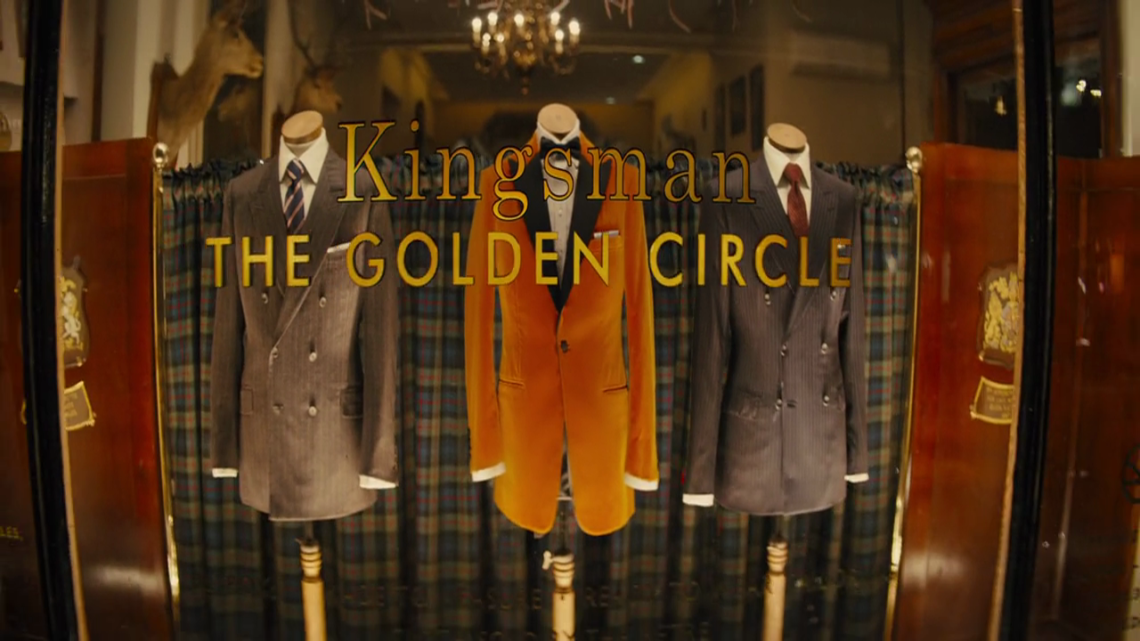
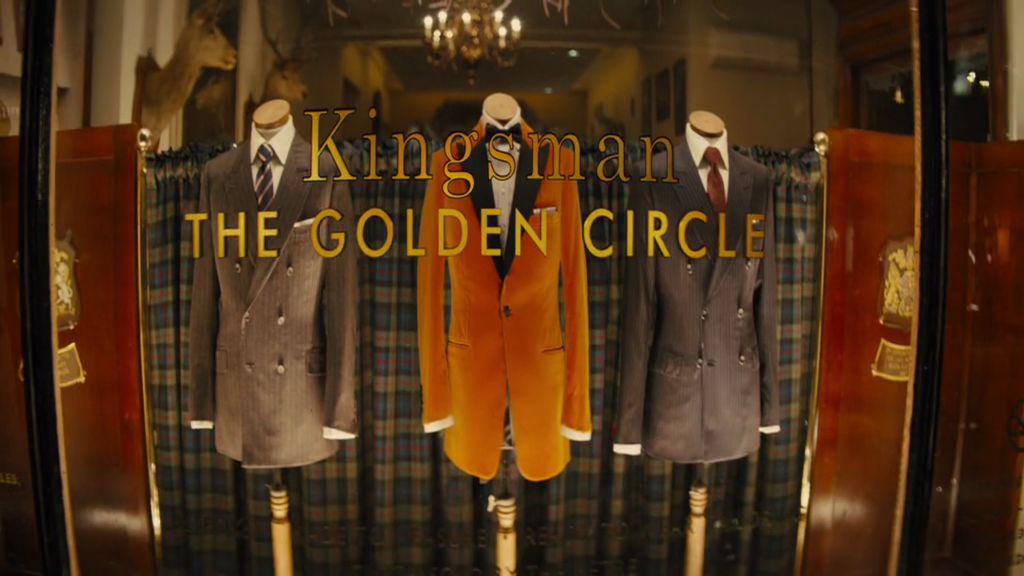
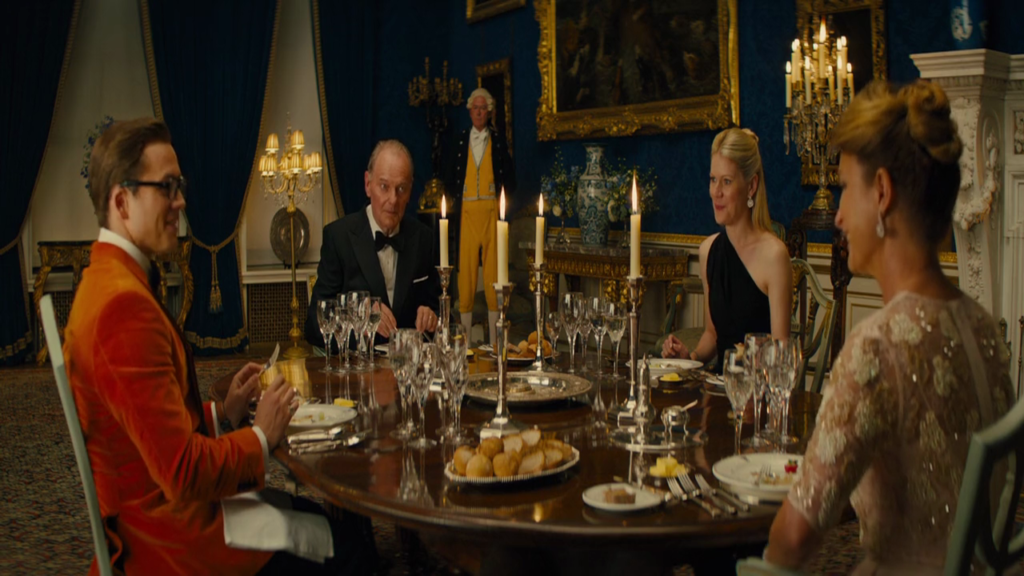
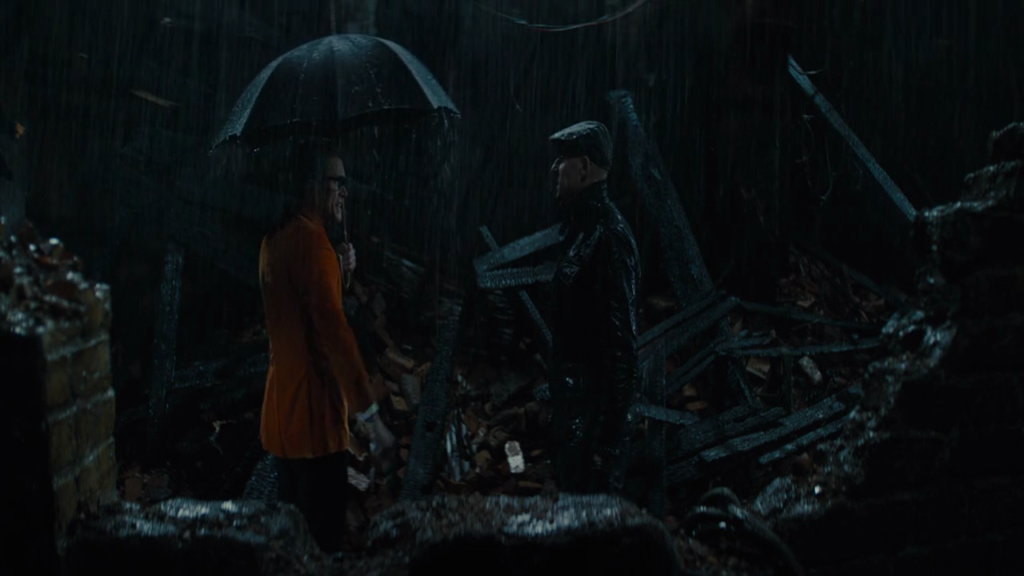
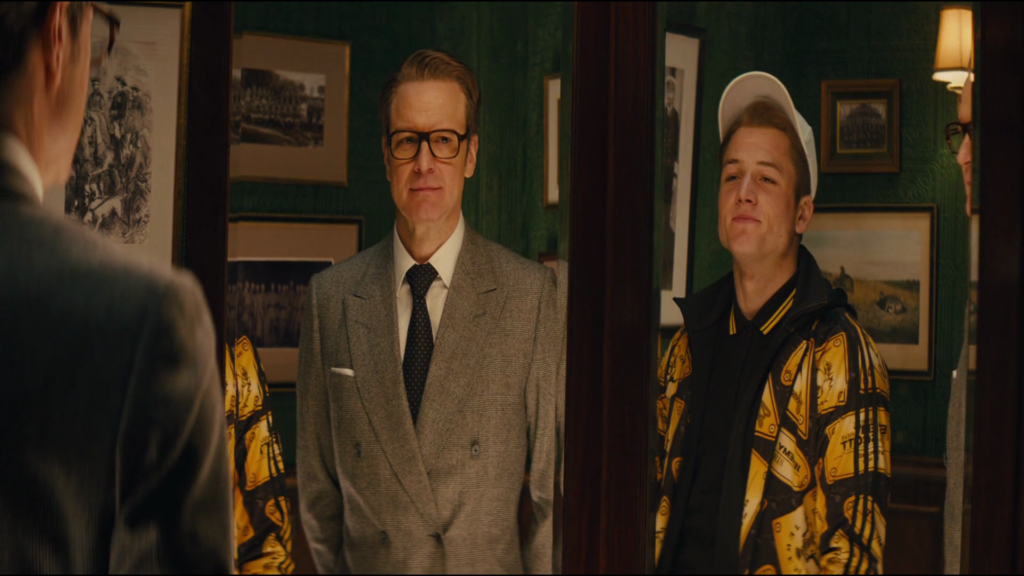
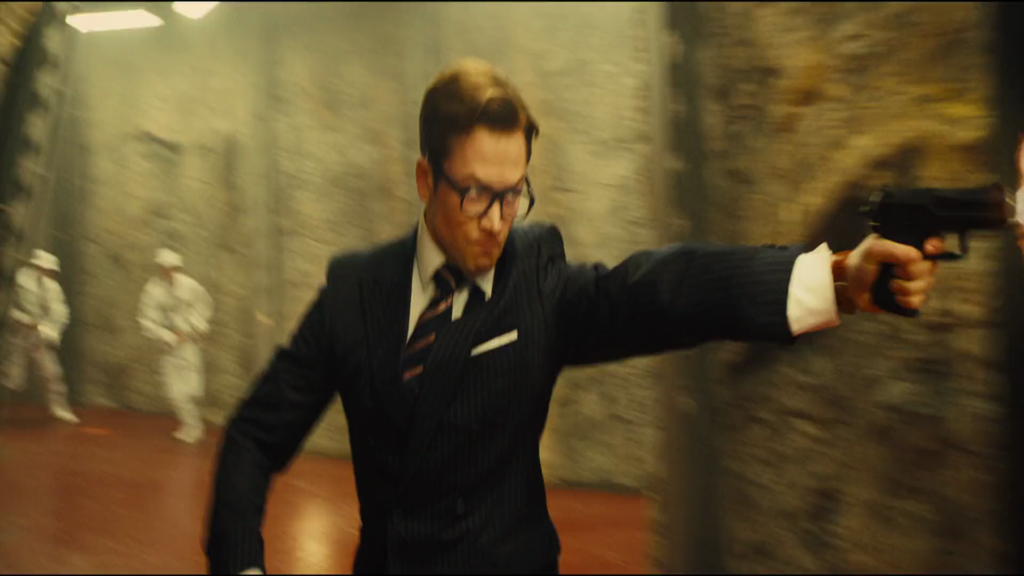
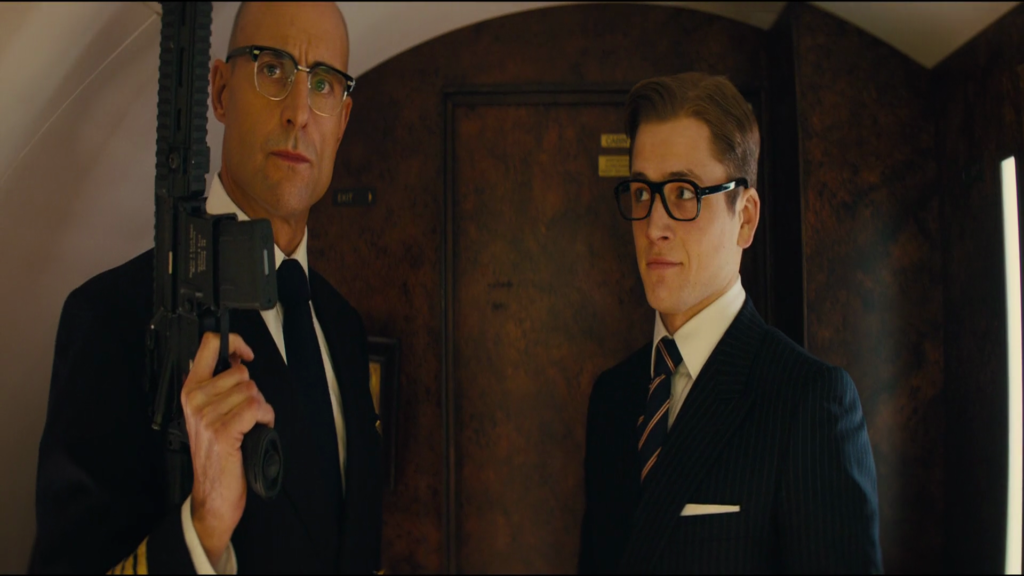
THOUGHTS/ANALYSIS: Kingsman: The Golden Circle is a 2017 spy film and the sequel to the 2014 Kingsman film. The film starts off re-introducing Eggsy, the protagonist of the first film, and throwing him straight into an action sequence involving a high speed fight scene through the streets of London. It is a strong start that delivers precisely what you would expect from the film, as well as setting up the plot of the rest of the film. Everything changes however, when an attack targeting all of the Kingsman agents and assets leaves the entire agency wiped with Eggsy and intelligence asset Merlin as the only survivors. The film starts off re-introducing all the familiar concepts and characters, and to destroy them all in the blink of an eye certainly raises the stakes, but in doing so leaves no room for the agency to develop or for us to learn more about it. The plot on the whole is fairly straightforward and follows the typical structure of a spy film, but blends in some contemporary twists and comedy as did its predecessor to freshen up the genre. Unfortunately, the problems that the first film had still persists in the sequel: namely the inconsistency of tone and a wayward idea of what the film wants to be. Whether a serious spy film, a spoof of said films, or something else, it oscillates between these objectives and as a result feels a little disjointed. However, I think it improves on these issues compared to its predecessor, and the more over-the-top characters and story help reinforce the notion that the film is essentially a bit of not-so-serious entertainment.
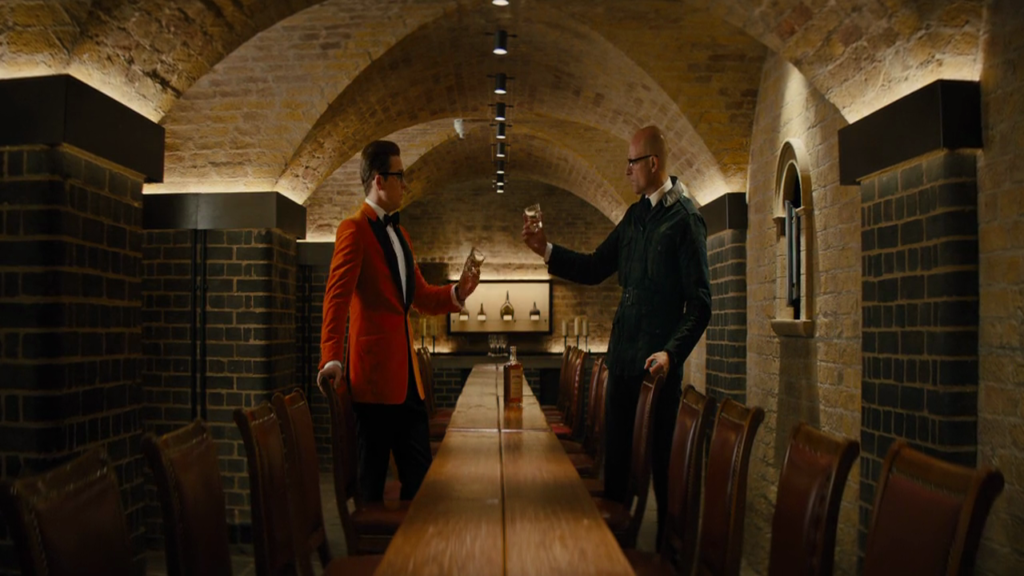
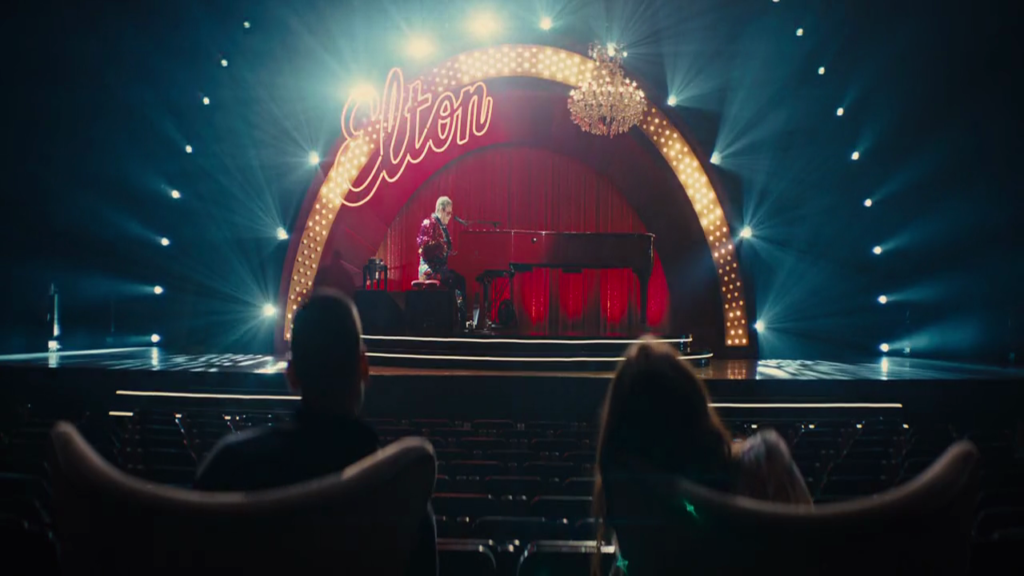
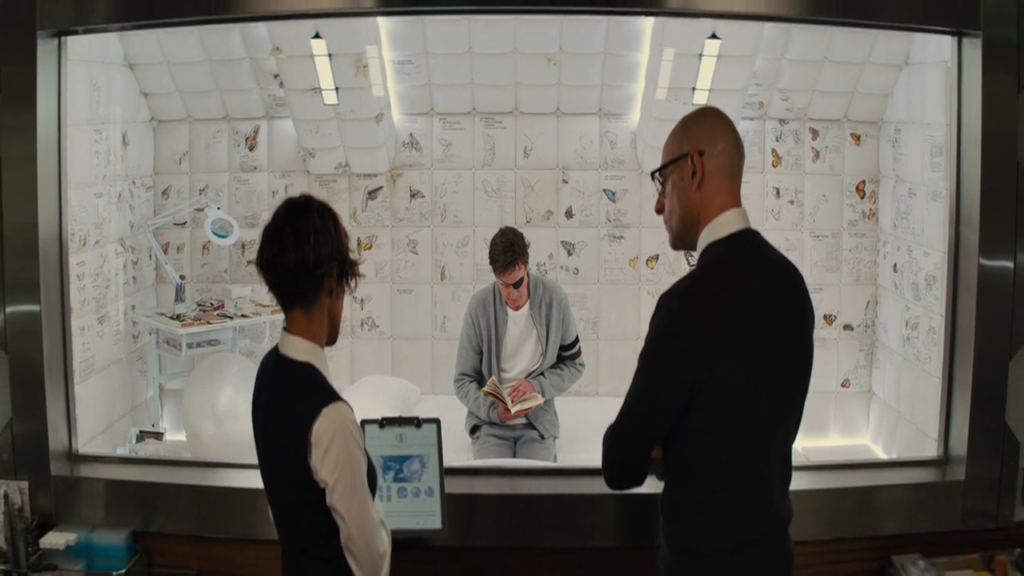
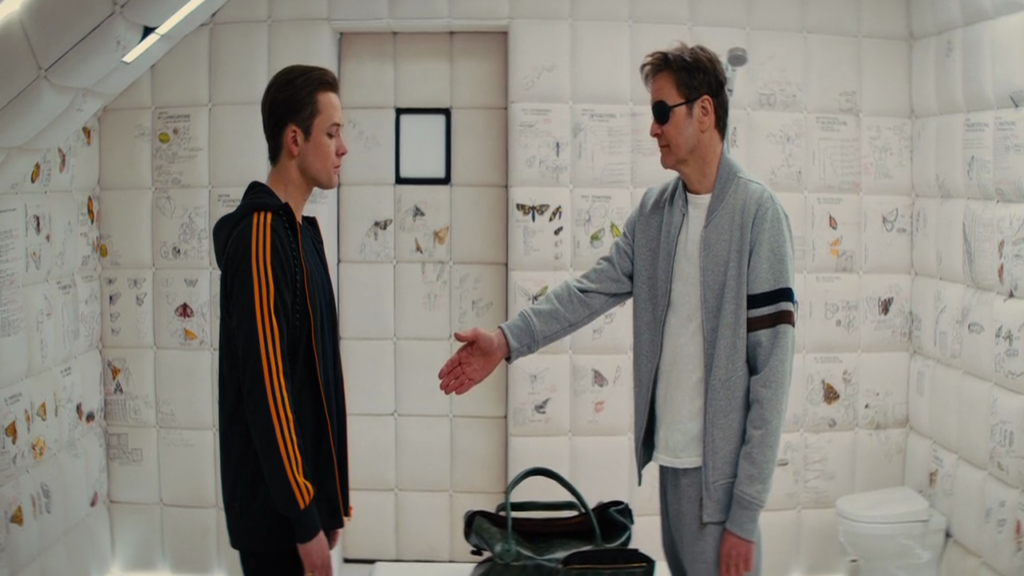
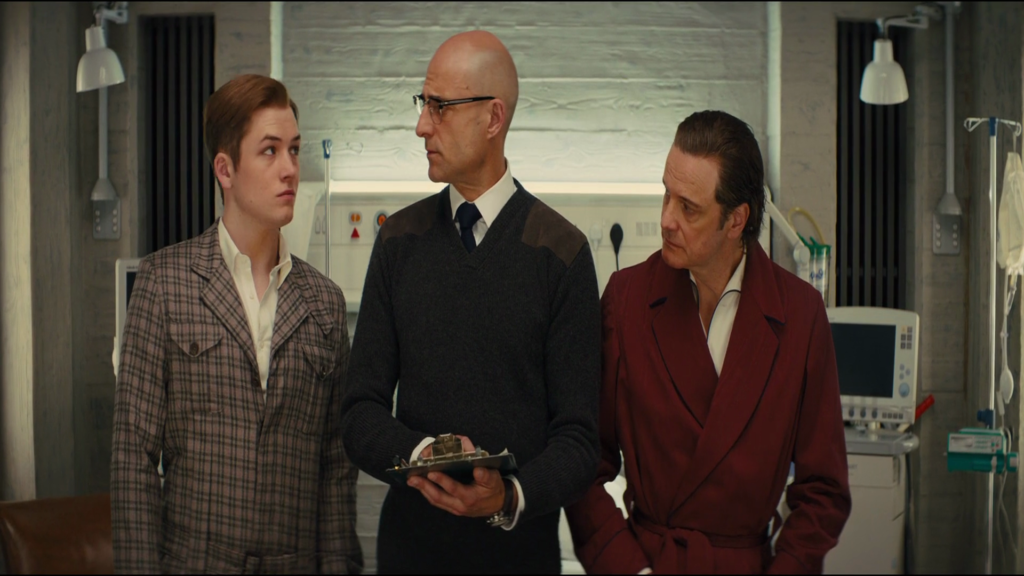
After Kingsman is essentially wiped out, Merlin and Galahad/Eggsy learn that the agency’s “doomsday protocol” involves an American whiskey brewer in some way. They travel out to Kentucky where they find it is the home of the “Statesmen”: the U.S. equivalent of Kingsman, They agree to work together to find who was behind the attack; a group calling themselves the “Golden Circle.” But that’s not all. It turns out they also rescued Harry, the Kingsman agent who was shot and seemingly killed in the first film. However, he has lost his memory, and part of the film revolves around trying to reclaim it. There’s actually quite a lot of story going on in The Golden Circle, and it equates to a film with a runtime of nearly two and a half hours. I think this could have been reduced to make it run a bit more smoothly, as there a lot of elements that aren’t too necessary for the story. The new characters barely make any impact on the film, and as the film’s aim is to expand the world with this new agency, this failure is rather significant. On the other hand, there’s some good roles for the villains, and the bizarre role that Elton John has helps spice things up a little.
The Golden Circle retains the style of the original in terms of the action sequences, with the over-the-top and entertaining fights and chases that not only are in keeping with the original, but make them even more ambitious and over-the-top. The original had this element of a normal young man being brought into this extraordinary world and all the conflicts that arose from it, whereas this sequel starts off in the latter and never really comes down from it, creating a different feeling. In fact, the film builds on this and makes things even more over-the-top, introducing robot guards and dogs for the agents to fight. The effects however, are pretty consistent, and give the visuals a definite flair and impact that compliment the excessive and silly setups without them looking cheap or tacky. Overall, Kingsman: The Golden Circle keeps the mix of comedy and action that made the first film successful, while also doubling down on the more over-the-top elements. The returning characters and ideas are worked through more thoroughly quite well, but the new characters and elements are often overshadowed and play an ever-diminishing role. It still suffers from an inconsistent tone with regards to what it is aiming to be, but makes some strides to improve on it. It’s more silly action and entertainment, with an occasional and clever swipe at American culture that all adds up to another worthwhile bit of entertainment.
-
#360 – Kingsman: The Secret Service (2014)
Kingsman: The Secret Service (2014)
Film review #360
Director: Matthew Vaughn
SYNOPSIS: When Eggsy, a troubled young man ends up in trouble with the police and practically everyone else, he calls a number that was given to him when his Father died if he was ever in trouble. This leads to him being released and meeting Harry Hart, a seemingly refined and upper-class gentleman. However, it turns out Harry is part of a secret agency called the Kingsman, which Eggsy’s Father was also a part of, which fights crime and preserves world peace. Harry chooses Eggsy as a candidate to join the Kingsman, but he must undergo a series of trials to prove he is worthy, and meanwhile a rich tycoon is plotting a global catastrophe that the agency must try to stop before it is too late…
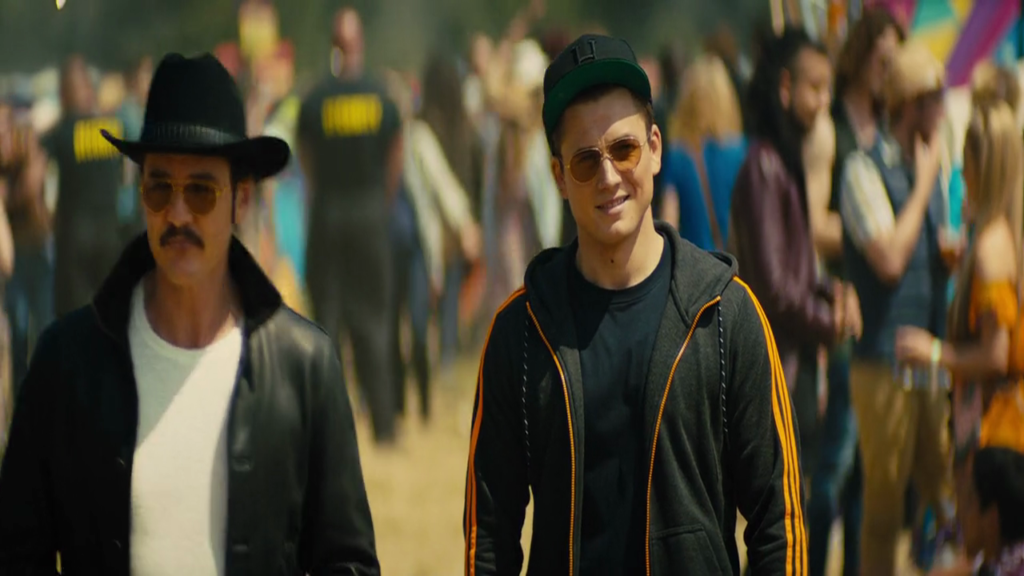
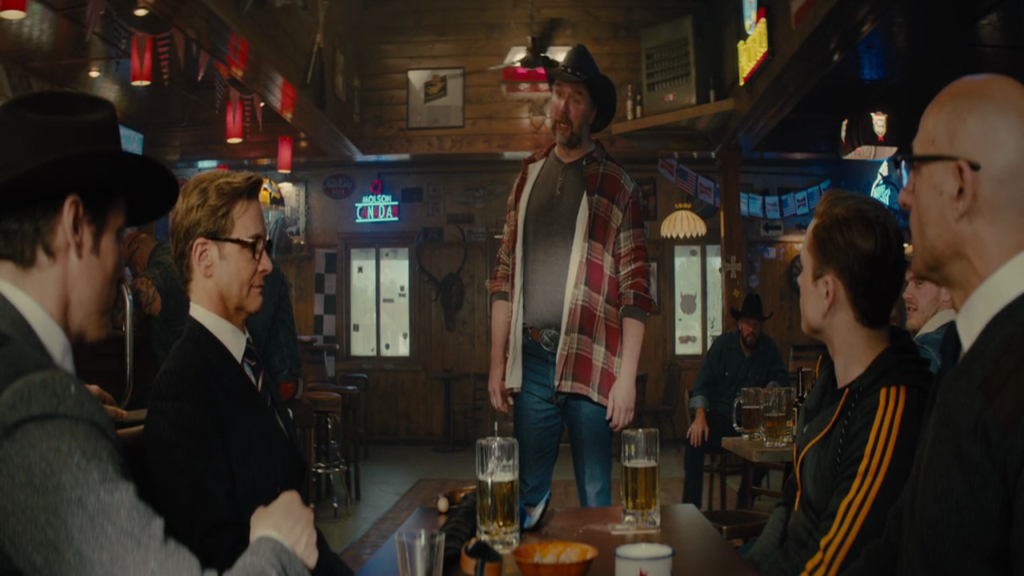
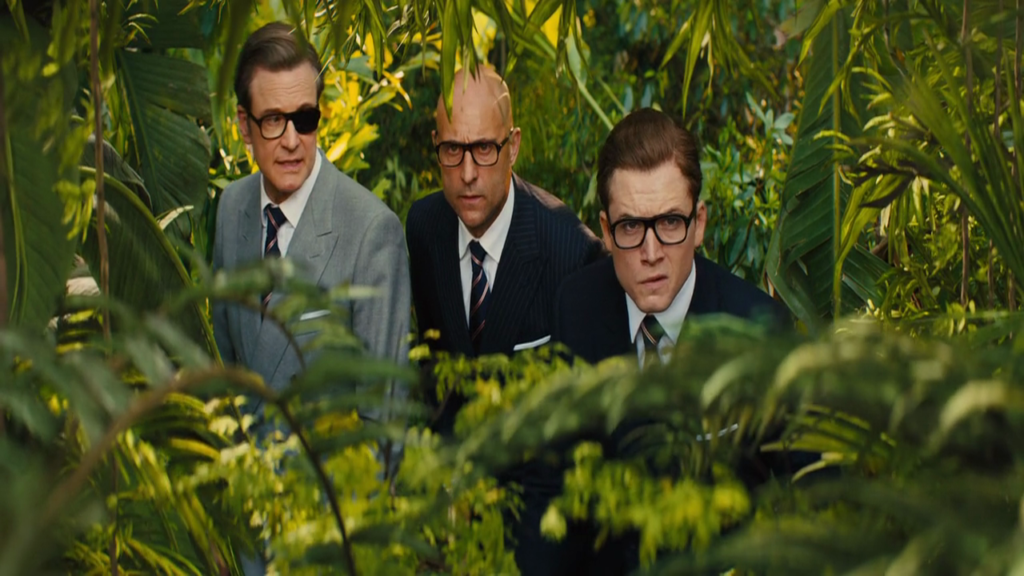
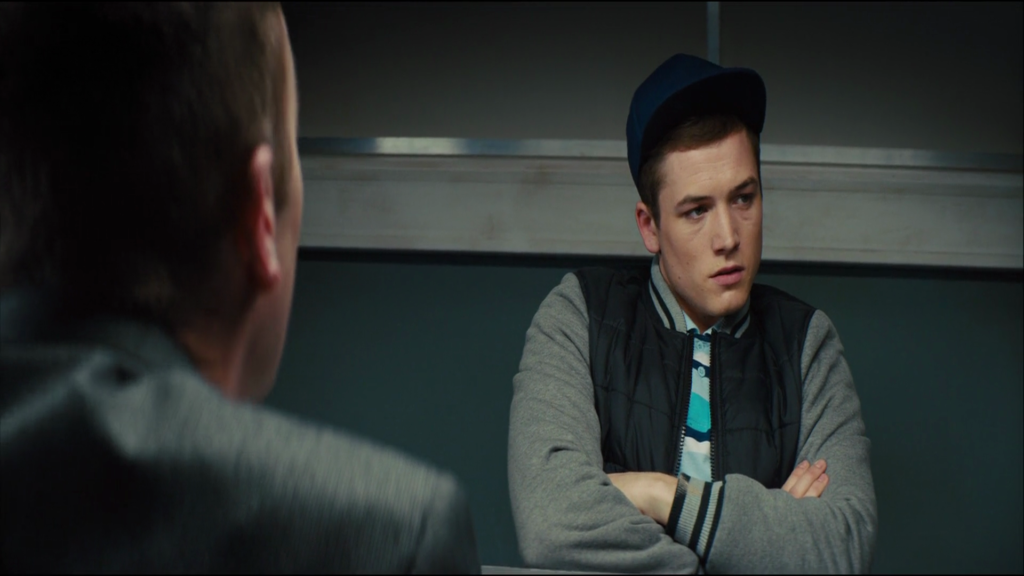
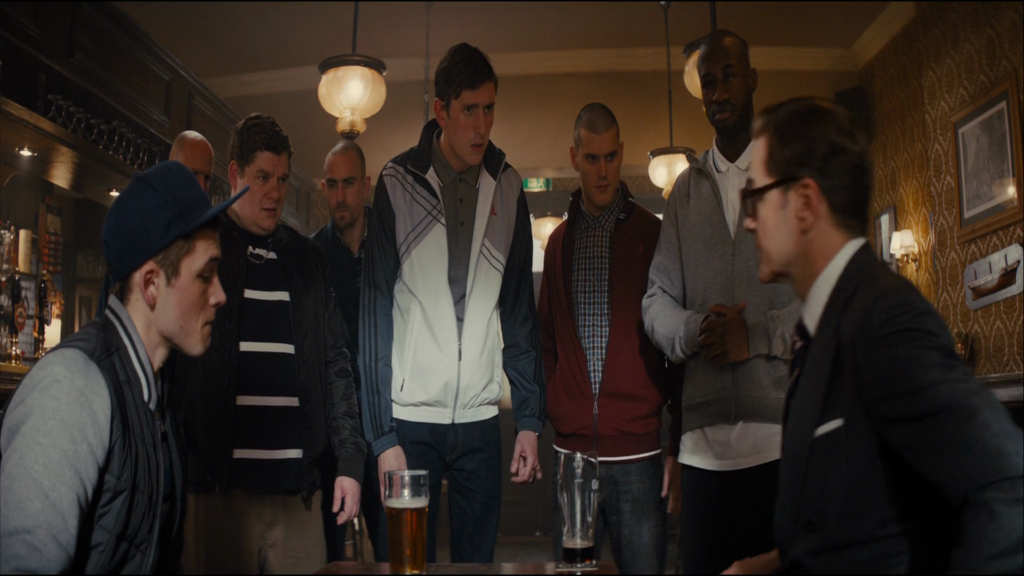
THOUGHTS/ANALYSIS: Kingsman: The Secret Service is a 2014 spy film about a secret service that independently preserves world peace. The film starts off (after a brief introduction scene set twenty years prior) introducing Eggsy, a young man who has had a troubled upbringing, having lost his Father at a young age and his Mother being in a relationship with a local mobster. Eggsy gets into trouble after stealing a car and ramming it into a police car to allow his friends to escape. When at the police station, he uses his one phone call to call a number on the back of a medal awarded to his Father when he died, which allowed him “one favour”. Eggsy walks out of the police station and is approached by Harry Hart, who got him released, and Eggsy learns that he is part of a secret service, like his Father, which helps to preserve world peace. Following the death of one of their agents, Harry nominates Eggsy as a candidate to replace him, and he begins his training to become a spy and a gentleman. The plot follows a recognisable story of an outcast who is taken into the high life and brings his own unique character into situations where it is not normally encountered, and where people discriminate against him for it. It is a story that has been told many times in cinematic history, and honestly is one that needs to be re-told: a similar story from the eighties featuring a young person in the same role is not going to have the same impact as Eggsy, as both face different problems respective to the times in which they grow up. There are a lot of similarities too, of course, but the key lies in the lead being relatable, and facing distinct, recognisable obstacles for them to overcome. With this in mind, Kingsman executes this story for the time it was made very well, and makes Eggsy a unique character that is a product of his time, and identifiable with the target audience. Sure, because of this the plot is a little predictable, but being a spy film it still finds a way to throw in enough twists, double-crosses, and surprises to make it gripping and entertaining. This is also important because as part of the comedy/spoof style of the film, it requires the viewer to be familiar with the tropes in order to play with and subvert them.
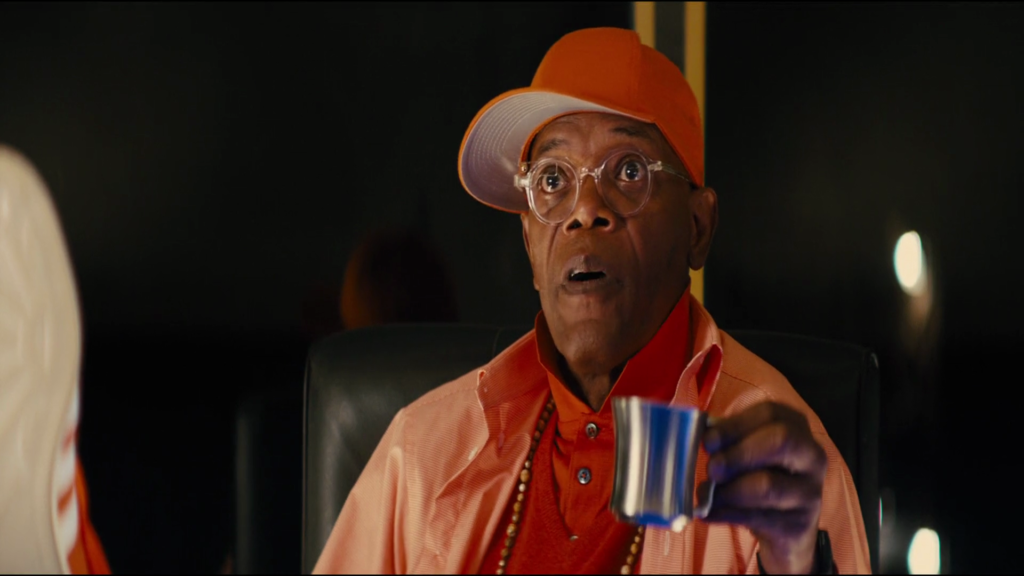
Another of Kingsman’s strengths is in it’s casting. Featuring a host of recognisable British actors gives the characters a certain powerful aura, which contrasts nicely to the relatively unknown Eggsy. Samuel L. Jackson and Mark Hamil round off the cast to give it an even wider recognisable appeal. The characters themselves fit neatly into their specific roles, again in keeping with the plot and the type of story it is telling, so there’s few surprises, but the performances make these characters come to life, and are full of personality. However, there are some surprises too, with the main villain Richmond Valentine (played by Jackson) being a entrepreneur billionaire with a lisp who dresses like Eggsy and who also cannot stand the sight of blood. Sometimes the film plays it straight as a spy film, while at other times it asserts itself more as a comedy or spoof of spy films, and there’s a lot of oscillation between the two that makes the tone of the film feel a little uneven at times. For example, the more comedic moments don’t go well with the gory violence present throughout, and trying to both play the film as a straight spy film and a comedic spoof of one, while also adding in the gory parts creates a confused tone that is never really resolved.
Another positive for the film lies in the action sequences, which, as mentioned, are often hyperviolent and gory, but are fast, fluid and undeniably entertaining, and that’s where the film’s biggest strength lies: it sometimes crosses genres which ends up leaving the film feeling a little muddled in terms of its detail, but it certainly is not boring. Even when the film is going through the motions regarding Eggsy’s incorporation into the unfamiliar world of the Kingsman, there’s enough work being done to set up the characters and setting to make it unique. Overall, while the film suffers from some inconsistency and a sometimes unclear sense of what it wants to be, it is a well executed, entertaining adventure that adds enough fresh content to a familiar story to make it relevant and appealing.
-
#359 – The Beach Party at the Threshold of Hell (2006)
The Beach Party at the Threshold of Hell (2006)
Film review #359
Director: Jonny Gillette, Kevin Wheatley
SYNOPSIS: Twenty years after nuclear war has destroyed the U.S., the radiation levels outside have dropped to a safe level, and people can venture outside into what is left of the world. Tex Kennedy is on a quest with his two humanoid robots Quincy and Yul to retrieve the man destined to be the new King of America, but to do so they must cross into Hell (which is somewhere on the Florida coast apparently) to find him and face all the evils within…
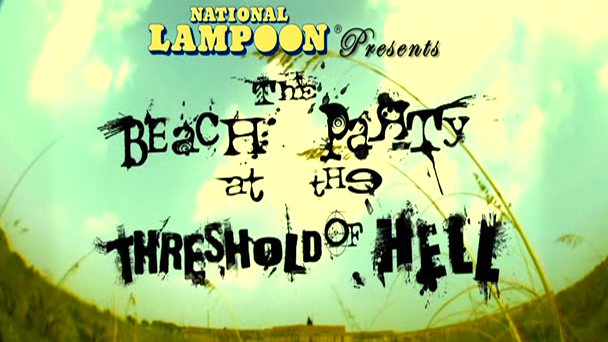
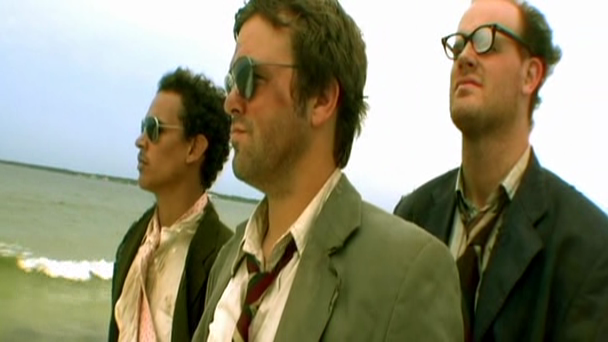
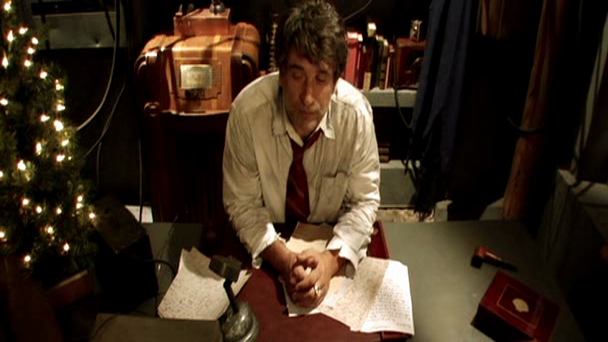
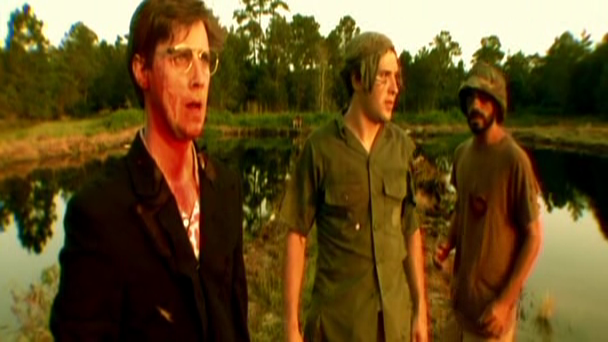
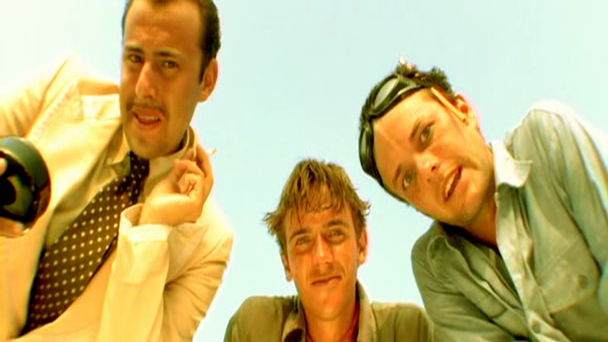
THOUGHTS/ANALYSIS: The Beach Party at the Threshold of Hell is a 2006 independent post-apocalypse film. The film begins describing the setting of the film, with a mixture of narration and footage. In the year 2074, a nuclear war has rendered the surface of the United States uninhabitable, leaving all survivors stuck in underground bunkers. Twenty years later, the radiation has declined enough so that humans can venture outside. Tex Kennedy, having left his bunker, is now on a quest to follow the guidance of Clark Remington, a man who broadcast on the radio to the bunkers, who proclaimed his nephew Benny the new King of America, and Kennedy is on a mission to retrieve him and in the process become Vice-King. The story is told in a number of ways: through narration, through a kind of mock-documentary, with presenters/authors telling the history of what happened, and through the action itself. All these different methods of storytelling are constantly overlapping and cutting away from each other, which makes the film honestly feel like a bit of a mess. Maybe that’s because the film isn’t really sure about how to portray itself: I think it’s supposed to be a comedy, but there’s an awful lot of backstory and flashbacks that really makes a considerable effort to flesh out the story and the setting, but ultimately doesn’t really matter. For a film that is only ninety minutes long, it spends a lot of time explaining what is going on, and seemingly trying to justify itself by inventing this grand narrative that doesn’t really go anywhere, leading to a but of a confusing mess. I could forgive it if the film identified itself as more of a comedy film that treated the backstory as secondary, but the fact that it spends so much time setting up this world doesn’t really allow that as an excuse.
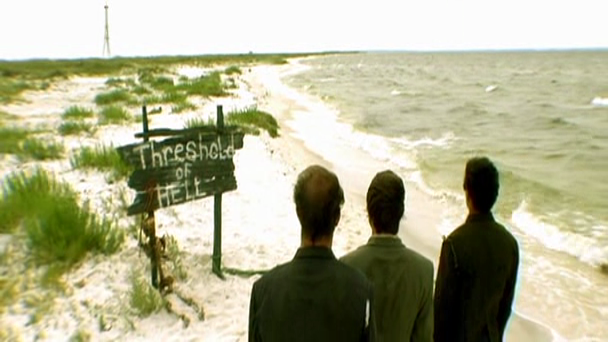
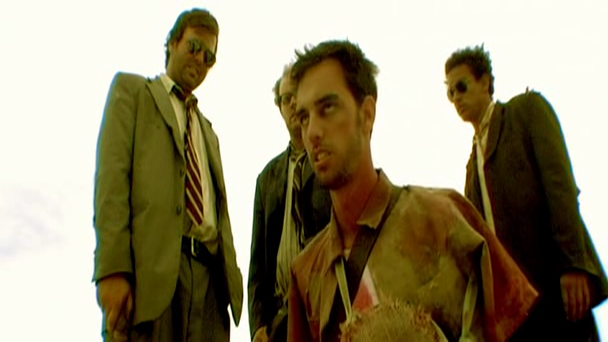
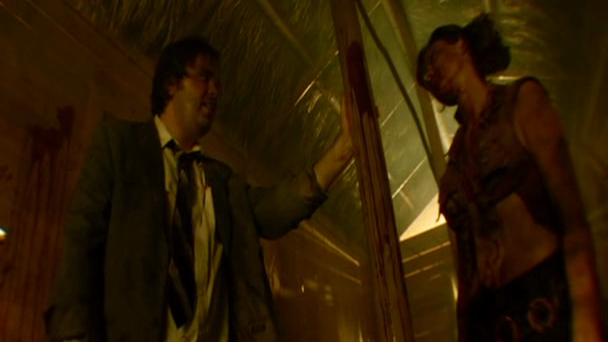
So Ted and his robot security guards arrive at the “Threshold of Hell”, where Benny Remington is hiding in a bunker, and they have to get him out and journey to a radio tower and broadcast their message to the entire country. However, the threshold of Hell is full of crazed characters that are out to stop them. These characters all have their own personality, but there’s just so many of them they only get a small amount of screen time each. and there’s not much time to really develop their roles. There’s Clark Remington’s son, calling himself Mr. Jackie, who wants to become the king himself after his Father disowned him for basically being a sociopath, and his whole gang, including his sadistic lieutenant. There’s also Yorick Schlatz, who is a cult leader who hosts the beach party at the threshold of hell and who also possess satanic powers that keeps the partygoers immortal and unaffected by the radiation for the past twenty years. Also Fidel Castro’s descendent Javier Castro shows up to create a dynamic with Tex, the descendent of President Kennedy…or he would do, if he stuck around longer. All these bizarre and nonsensical characters all have some potential to do some interesting things, but the film constantly over-explains everything and never lets the characters speak for themselves. Again, if the film is aiming to be a black comedy or focusing on dark humour, then it could have worked, but there’s just not enough focus on what it wants to be.
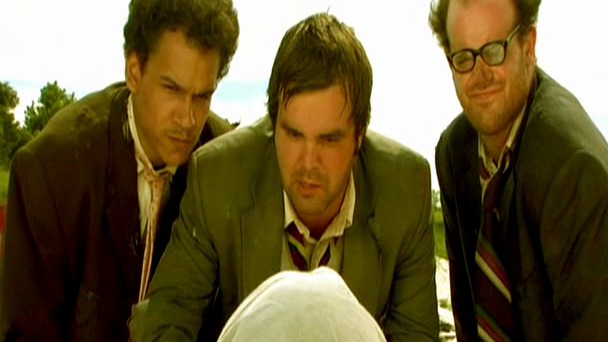
Being an independent film, you won’t be expecting any spectacular special effects or ambitious cinematography, and you won’t be surprised with what you get. The camera is all over the place and can barely frame a shot most of the time, the scenes that are filmed in front of a green screen are blindingly obvious, and the acting is pretty wooden throughout. One more surprising element in the film is that it is quite gory. Even though the blood and guts look obviously fake, it further still confuses the tone when it is trying to be funny and then someone’s organs get ripped out. There’s a scene in the middle of the film involved with a giant snake of some sort and the film instantly switches to a hand drawn animation sequence for about twenty seconds with no set-up or transition and it just feels like an acknowledgement that the film could not make this scene any other way, and just tacked in this sequence just to fill the gap. Overall, The Beach Party at the Threshold of Hell feels like it is trying to do far too much with far too little. It feels indecisive with regards to the tone of the film or what genre it is trying to establish itself within. Far too much time is spent describing characters and backstory instead of letting the film show it, and the constant interruption to the story to expand on these elements is distracting and makes retaining focus and interest in the film difficult. It has one or two laughs, but there’s nothing really worthwhile here.
Also, the film ends with the teasing words “end of part one”, which suggests more to come, but a sequel was never made, which is probably for the best.
-
358 – BraveStarr: The Movie (1987)
BraveStarr The Movie (1987)
Film review #358
Director: Tom Tataranowicz
SYNOPSIS: On the colony planet of New Texas, the evil demon Stampede and his henchman Tex Hex have assembled a gang of outlaws and villains to take control of the planet’s rich supply of the valuable mineral kerium. The inhabitants request help from the Galactic Marshals, the peacekeepers of the galaxy, but are less than impressed when only a single Marshal named BraveStarr and a new judge arrive, the residents are less than impressed, and BraveStarr must prove himself by defeating Tex Hex and also fulfilling his destiny…
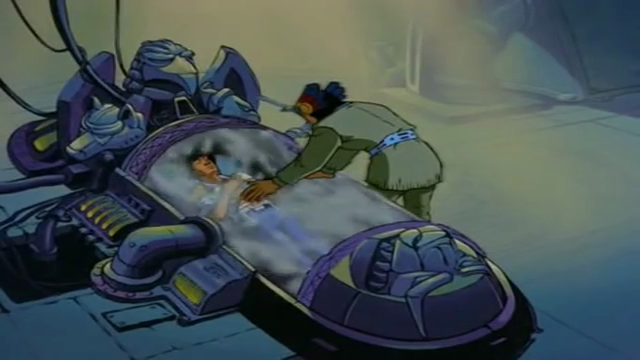
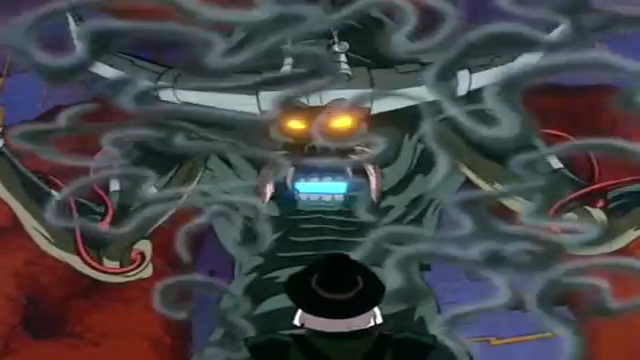
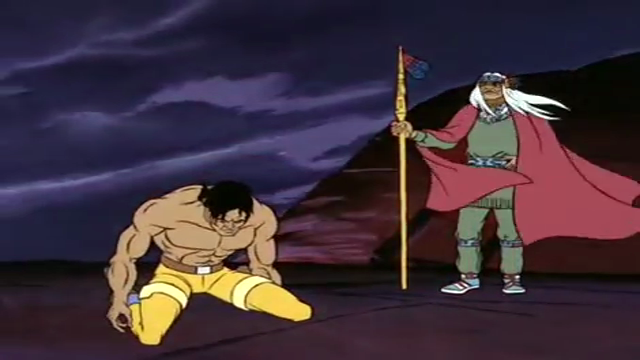
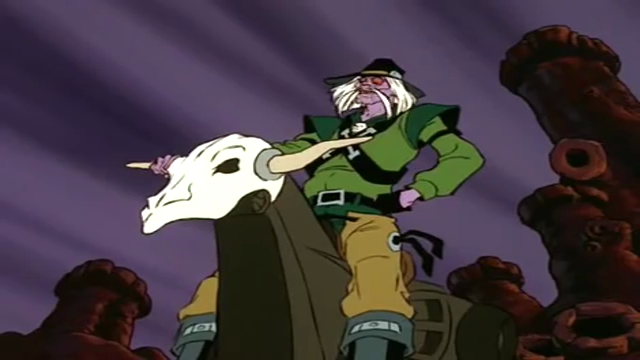
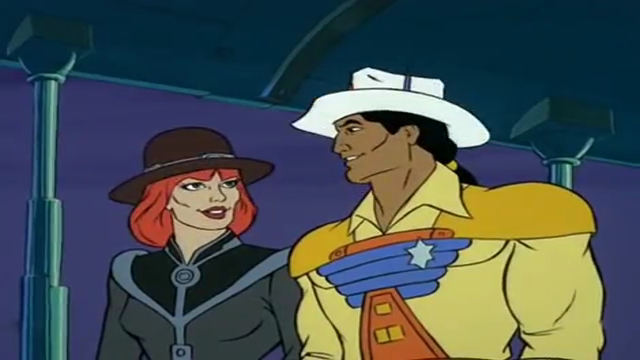
THOUGHTS/ANALYSIS: BraveStarr the Movie (also known as BraveStarr the Legend) is a 1987 sci-fi animated film. The film is an extension of the BraveStarrcartoon series, but tells the origin of all the characters and how they met. The story begins with a Shaman telling the story of an evil creature known as Stampede and his plans to conquer the galaxy by mining the mineral Kerium, which is essential to space travel, on the planet of New Texas. He enslaves a rogue space mercenary called Tex Hex and grants him new powers to terrorise the planet. The shaman is unable to defeat Stampede, and when his ship is about to crash land on New Texas, he sends his young protege out in an escape pod with the promise that they will meet again and fulfil their destiny to banish Stampede. The way the story is told as a narration does go on a bit too long, and prevents the viewer from getting fully immersed in the story when it’s just being told to them rather than it playing out as it happens. This happens again about a third of the way through, and it just feels like the film takes a while to get into the action. It does take its time to establish the backstory, since the purpose of this film is intended to explain the origins of the characters and settings of the cartoon series, but even then the specific details are a little vague. Maybe the cartoon series fills in some of the gaps, but having never watched it, I cannot judged. When the film eventually does get going, it’s entertaining enough for kids, with plenty of action, colourful characters and a unique setting to enjoy. Nevertheless, it does try to push the envelope a little, and it feels a little darker and more menacing than other cartoons of the time, being set on this hostile world plagued with nasty looking villains who create a genuine sense of terror.
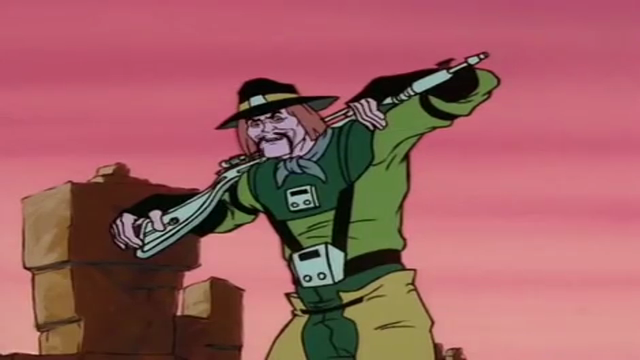
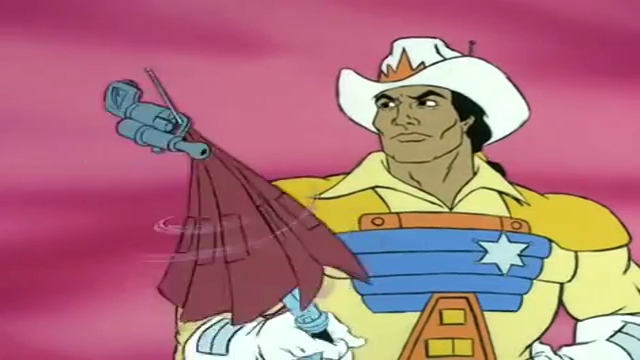
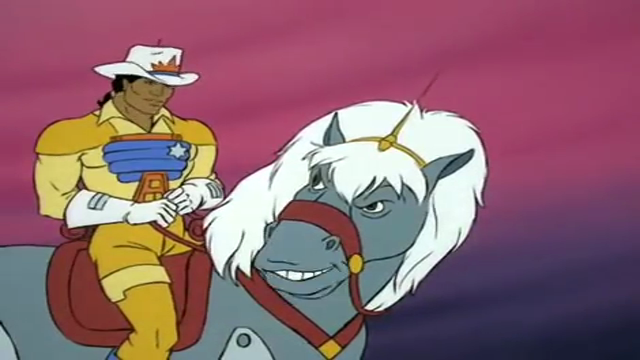
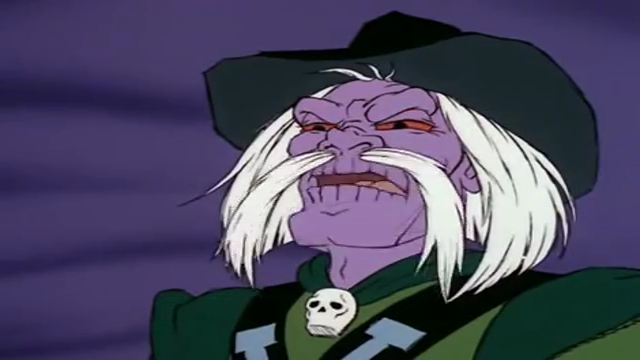
The titular character BraveStarr is an interesting character in terms of his design: he is a native american who is also a cowboy (space cowboy anyway…). The two roles are often placed in opposition, so it’s interesting to see a synthesis of these two tropes, and especially seeing a native American character in the lead role was practically unheard of (and is still quite rare). I think as a character that synthesises the two roles it allows children to see the role of native Americans as the heroes for a change. Whether he is an accurate or authentic depiction of native Americans is perhaps a more nuanced discussion, but honestly, as a kid’s show, it’s a good opportunity to introduce children to a more diverse set of heroes. The rest of the characters are also a varied bunch, with the main villain Stampede being a gruesome bull/skeleton hybrid, his henchman Tex Hex being a more typical cowboy villain, and a whole host of varied villains with different powers. Thirty-Thirty, BraveStarr’s part horse, part sidekick/partner is an interesting dual role character too, and his short temper and cavalier attitude give him some fun action sequences as well as some funny dialogue. Judge J.B. as the only female character also has a strong personality and exerts just as much authority as BraveStarr most of the time, as well as occasionally putting him in his place. then you have the native inhabitants of New Texas, a race of mole-people including Fuzz, who serve as the cutesy mascot characters. It all adds up to a large cast with some interesting and original characters for children to imagine in all sorts of adventures. Let’s be honest though, such a large cast is primarily aimed at selling lots of toys of all of these characters (the toys actually released before the cartoon so you can see where the priorities were).
The animation for BraveStarr isn’t especially great, but it’s okay for it’s time, and is consistent with the other cartoons that Filmation put out (He-Man, G.I. Joeetc.). The music however is pretty good, with an orchestral, epic feel that heightens the tension and the stakes. BraveStarr overall doesn’t stand out too much from the cartoons made to push merchandise that were rife in the 1980′s, but if you look a little deeper, you find an interesting and unique world populated with some similarly interesting characters, including the titular character. As a standalone film it is a fairly standard depiction of good vs evil, using the cowboy tropes and giving them a sci-fi twist. As a kid’s film it doesn’t really need to be much more than that. Some scenes (particularly the narrated ones) go on for too long and may not sustain younger viewers attention, but there’s also plenty of action and variety in the characters to rescue it. You don’t have to have watched the series to maker sense of the film (as I haven’t), but undoubtedly learning the origins of these characters would make it more rewarding. I don’t think films like this need to be anymore complicated than what is done here: they’re designed to sell toys, and this essentially provides a springboard for children’s imagination to make their own stories to play with said toys, so in this sense I can happily accept BraveStarr the Movie as it is, despite some flaws and a lack of appeal and originality for more mature audiences.
-
#357 – The Lego Movie 2: The Second Part (2019)
The Lego Movie 2: The Second Part (2019)
Film review #357
Director: Mike Mitchell
SYNOPSIS: After Emmet Brickowski saved the world from Lord Business and the “Kragle”, strange creatures from the planet Duplo have begun attacking the Lego world. Five years on, the world is a post-apocalyptic wasteland thanks to the constant attacks, and only Emmet seems to have not let this change him. When strange aliens from the Systar system kidnap Emmet’s friends, he heads into space to go and save them, and along the way meets Rex Dangervest, a veteran warrior who shows Emmet how to toughen up to face the horrors of the Systar system…
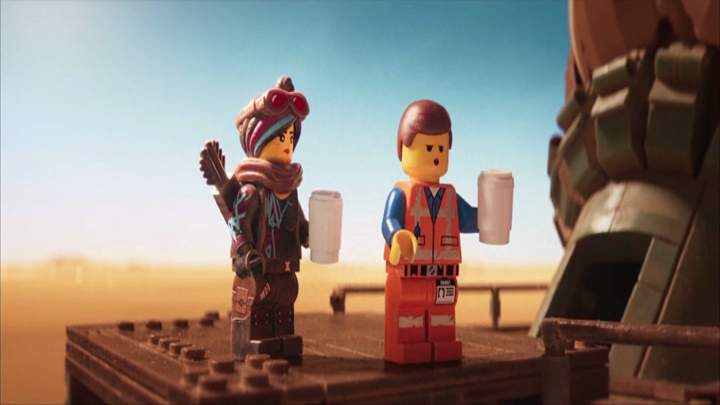
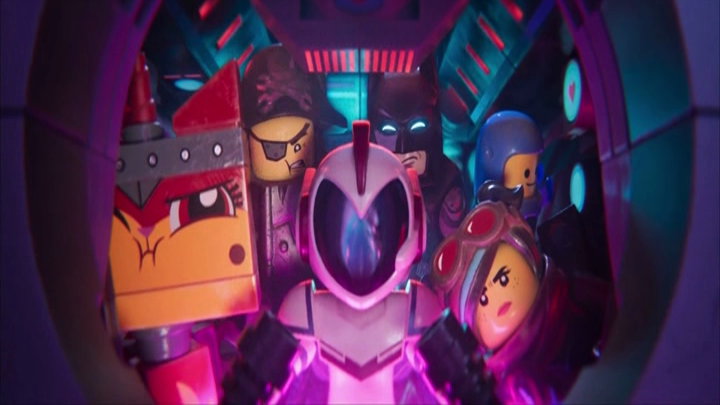
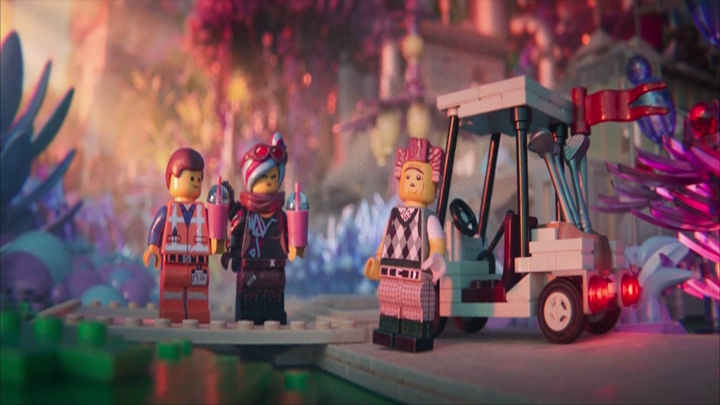
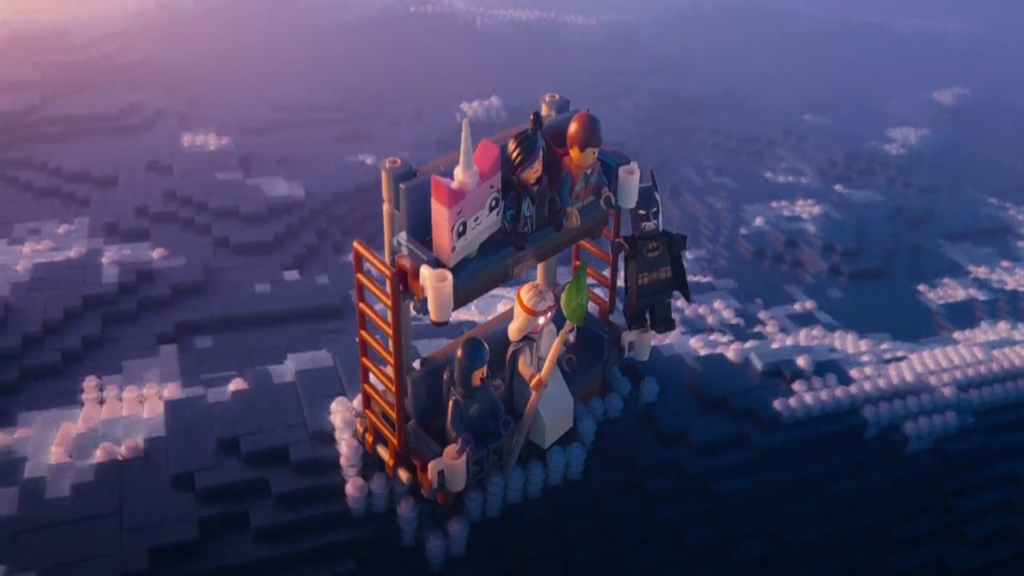
THOUGHTS/ANALYSIS: The Lego Movie 2: The Second Part is a 2019 film and the sequel to the 2014 Lego Movie. The film starts right where the last one left off, with aliens from the planet “Duplo” have arrived in Bricksburg seemingly intent on destroying everything. Five years later, the constant attacks from these aliens has left the world in a post-apocalyptic state, as anything they try to build ends up being destroyed. In this new world, it seems all of the inhabitants and characters of the previous film have changed in order to adapt to this new world…all of them, that is, except Emmet, who is still his chirpy, optimistic, well-ordered self whose daily routine is seemingly unaffected by the chaos that is going on around him. Lucy attempts to toughen him up, but it seems to no avail. The opening scenes provide some good set-up, as well as establish some of the themes that the film will be exploring.The post-apocalyptic setting is obviously meant to parody Mad Max: Fury Road, and is a good place to show how characters have changed. I think the problem with this setting is that since Mad Max has such an iconic look and feel, as well as being an intense action film, it really is just too good to parody, and The Lego Movie 2 generally plays it as a straight parody without adding anything really special or creative, which is always going to render it underwhelming when comparing it to the source material.
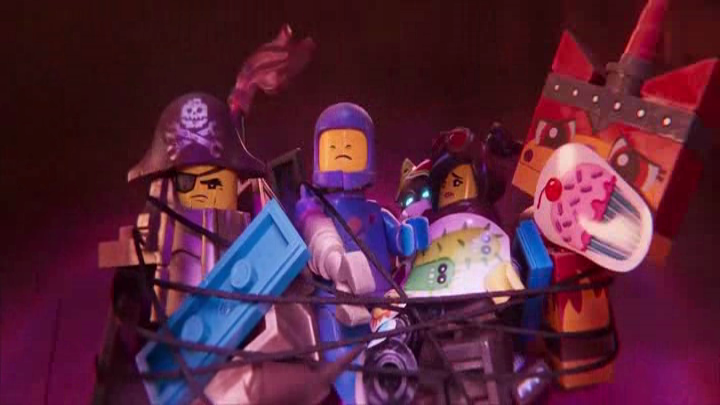
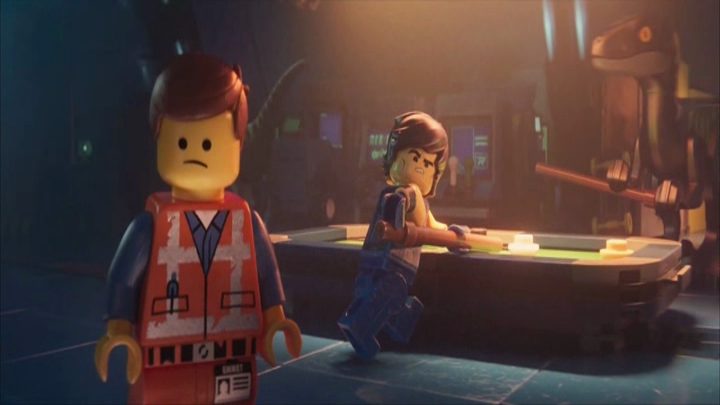
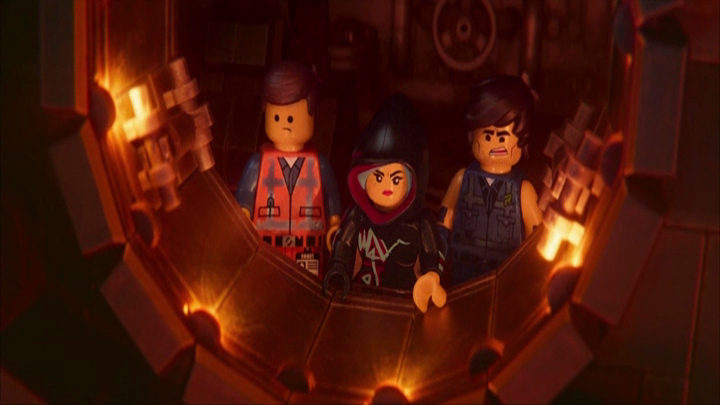
When the aliens return again, they kidnap all of Emmet’s friends and take them to the Systar system for a wedding ceremony. Emmet is left by himself to build a spaceship and travel to the system to get his friends back. On the way, he is rescued by Rex Dangervest, an all-round action hero with a penchant for destruction and a spaceship crew comprised of dinosaurs. Rex teaches Emmet how to break – rather than build – things, and tries to get him to change and to stop being so soft. This again plays into the themes laid out at the start of the film, and explores them with a good amount of depth, while exploring the impact of this change on everyone and everything around him. Rex’s character arc initially starts him out as this heroic and super-cool action hero, but his character does develop some different dimensions as the film progresses as his methods and goals become increasingly more extreme than Emmet’s. His story however does feel a little muddled, and when his role switches near the end of the film it doesn’t feel like it has been built up enough and there’s not enough time for the viewer to adjust to everything that happens in the climax to make it feel very rewarding. The same goes with Queen Watevra Wa’Nabi and all the new characters who have their roles shifted at the end, meaning that you struggle to get re-attached to the characters after the film has been setting them up in one way for the majority of the film only to reverse them near the end. Nevertheless, these are only minor concerns, and the story makes a good effort to build (pun intended) on the first film’s rather simple, but effective storyline, and add in some complexities and new struggles for the characters, while still making it easy to follow.
The humour in this film, like the previous one, comes at the viewer thick and fast, and there’s definitely plenty of laughs to be had. Whereas the first one played with and poked fun of mediocrity and tropes, The Lego Movie 2 builds up some more complex jokes and uses the established characters to drive the humour from time to time. Some of the humour is really quite clever and unexpected. The film sometimes breaks the fourth wall for some of its jokes, and while this can be fine, I think the film does it a bit too much, and it ultimately distracts from the story. There’s also a lot more of the cutting away to the “real world” where a brother and sister are fighting for control of the toys and this is what is causing the conflict in the “Lego world”. It’s a clever link to the Lego mantra as being toys that are fuelled by imagination, but the constant switching back and forth, especially at the end, does some harm to the sense of peril the characters in the Lego world face when it’s constantly showing them as just playthings playing out a brother and sister feud. There’s also the inclusion of musical numbers, which I don’t think were really necessary.
Overall, The Lego Movie 2 develops on the themes of its predecessor by providing the established characters with new challenges to face and a new world that requires them to change. It maintains the themes it sets out at the start and uses the development of the characters and their reactions to explore them with plenty of depth. The story itself does get a bit lost around the middle, and the climax doesn’t have the huge impact it should for numerous reasons, but these negatives don’t massively harm the enjoyment of the film, and it is still entertaining; featuring familiar characters but completely new challenges for them. The Lego Movie provided something original and new, and while this sequel can’t replicate that novelty, it carves out something new which, despite some shortcomings, is still a good film with plenty of entertainment.
-
#356 – The Lego Movie (2014)
The Lego Movie (2014)
Film review #356
Director: Phil Lord, Christopher Miller
SYNOPSIS: Emmet Brickowski is an average guy leading his average life in the Lego city of Bricksburg. After finishing his job as a construction worker, he spots a strange young woman hanging around. After chasing her, he falls into a strange portal and wakes up with a strange piece stuck to his back. It turns out that it is the “piece of resistance” that is part of a prophecy that can stop the weapon known as the “Kragle”. Emmett is drawn out of his ordinary life and has to deal with the imaginative world beyond the instruction manuals he has up to now lived his life by in order to save the world…
THOUGHTS/ANALYSIS: The Lego Movie is a 2014 animated film based on the ubiquitous building blocks of the same name. Initial thoughts on what a Lego movie would be about throws up all sorts of issues: since Lego is essentially a medium for children’s imaginations to make any story they want and play however they want to, how can you make a film that encapsulates that while also adhering to the cinematic format by providing a coherent story, characters and setting?
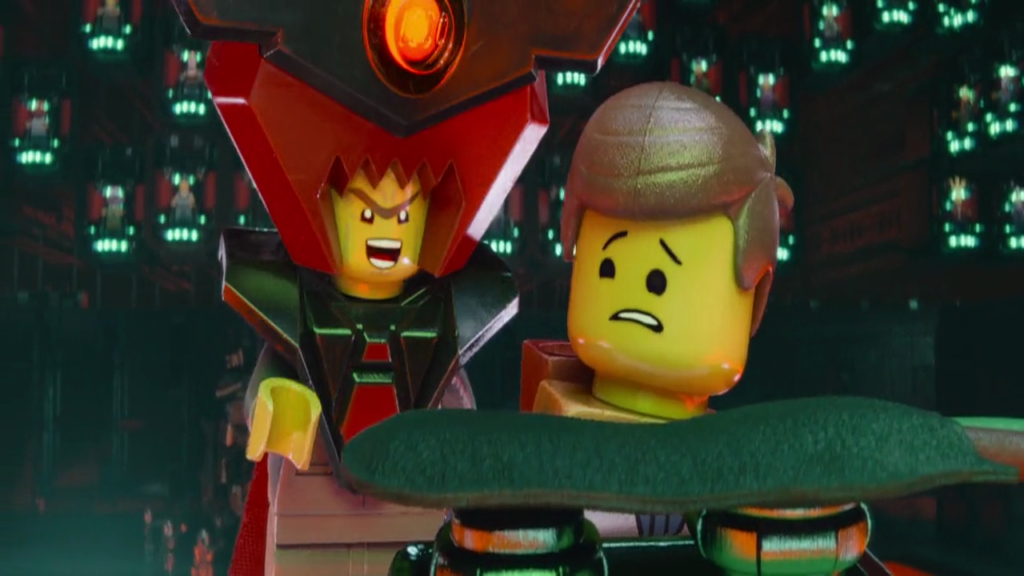
The film starts off introducing Emmet Brickowski, a plain and ordinary construction worker who lives his life according to the instruction manuals. After his work for the day, he notices a woman hanging around a construction site, and goes to investigate. He ends up falling through a portal, and wakes up imprisoned with a mysterious piece attached to his back. The woman reappears and rescues Emmet, telling him that he is “the special”, a chosen one who with the “piece of resistance” that is attached to his back will save the world from the ultimate weapon known as the “Kragle”. The plot essentially revolves around stopping Lord Business from destroying the world with the Kragle, and it’s a fairly standard storyline involving a prophecy, the corporate villain, the unsuspecting hero, and so on. Emmet is a plain and ordinary character, but this plays to his strength in terms of the story, as his conformity and always following instructions to fit in has left him forgettable to everyone around him because there is nothing to him outside of those instructions. When he is introduced to a world beyond the borders of his step-by-step life, where the “master builders” are able to build anything just by using their imagination, Emmet finds himself completely out of place, and must learn how to use his own imagination. This story arc ends up turning the very plain Emmet into a well defined character who has his own place in the world, and its a rewarding development to watch.
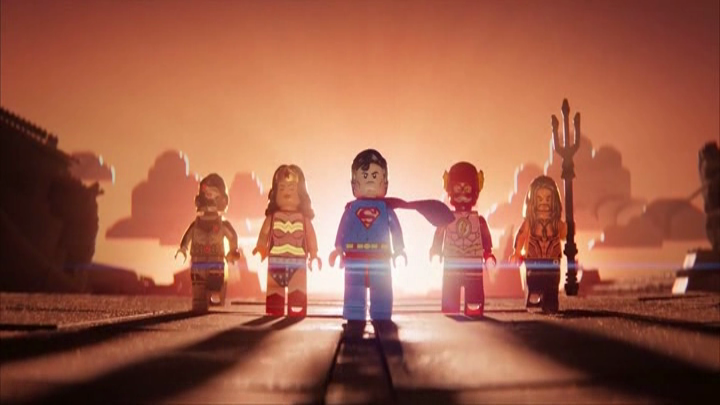
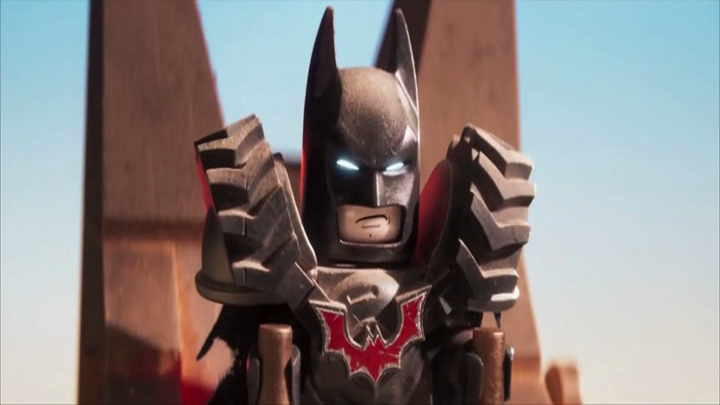
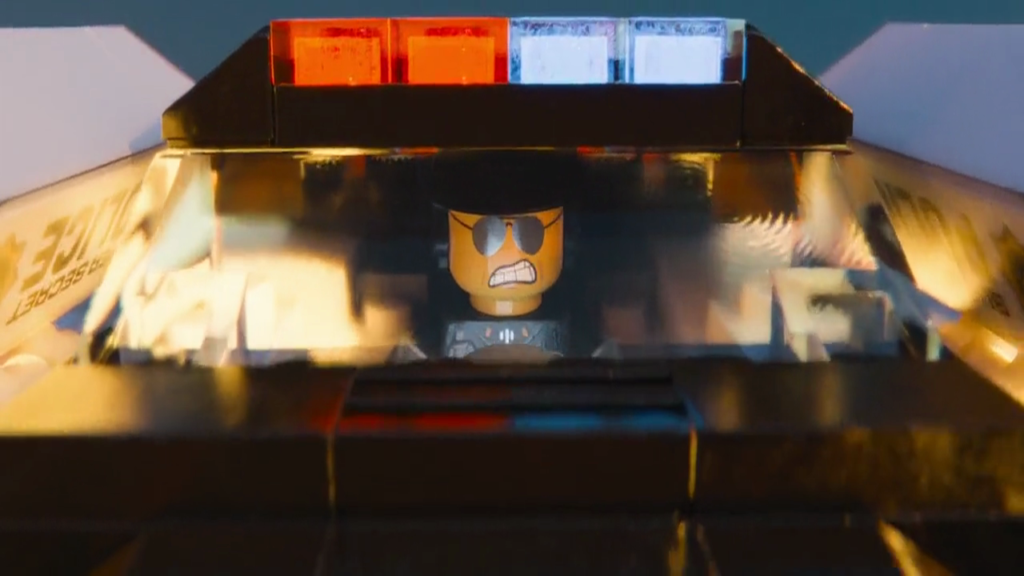
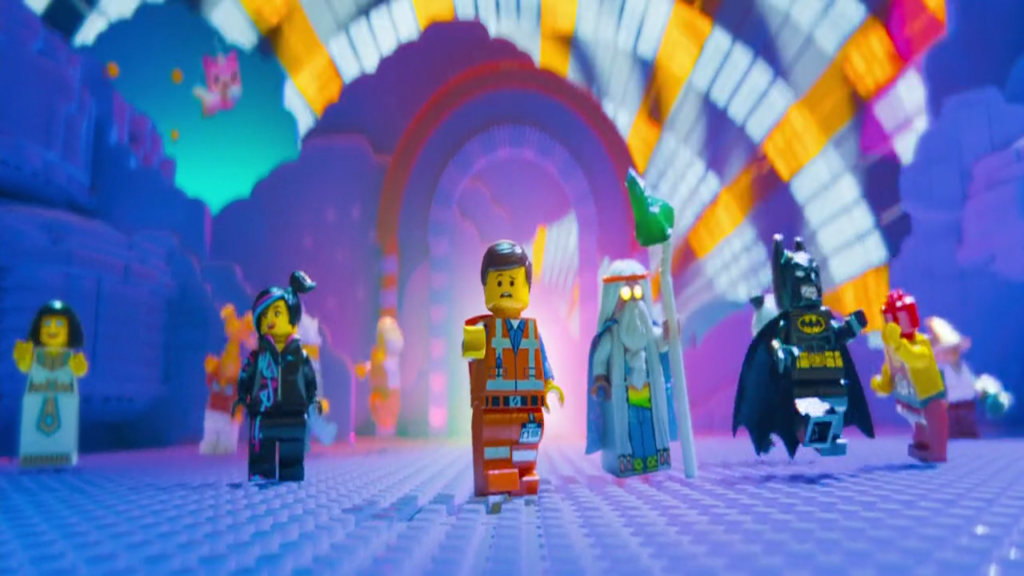
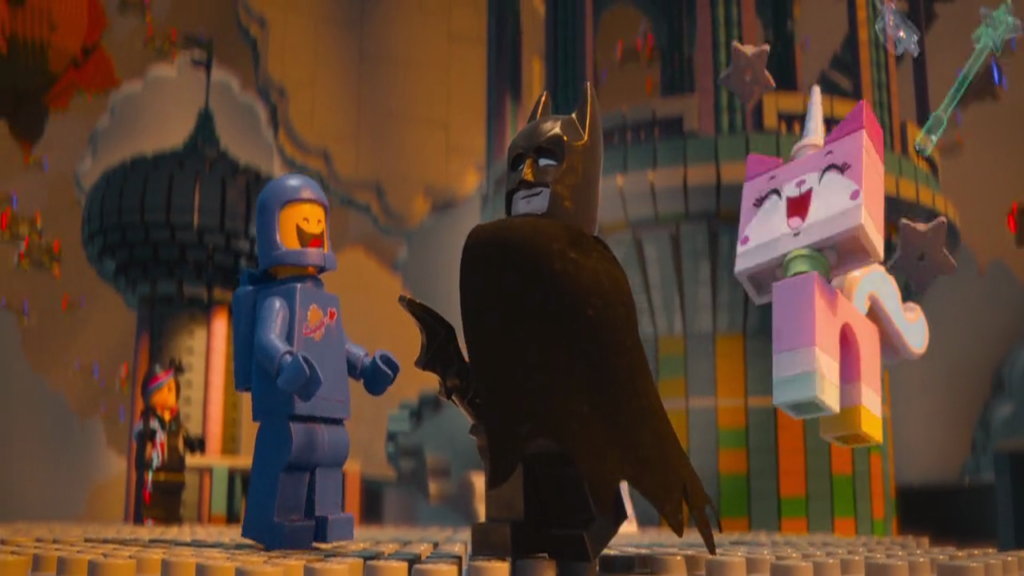
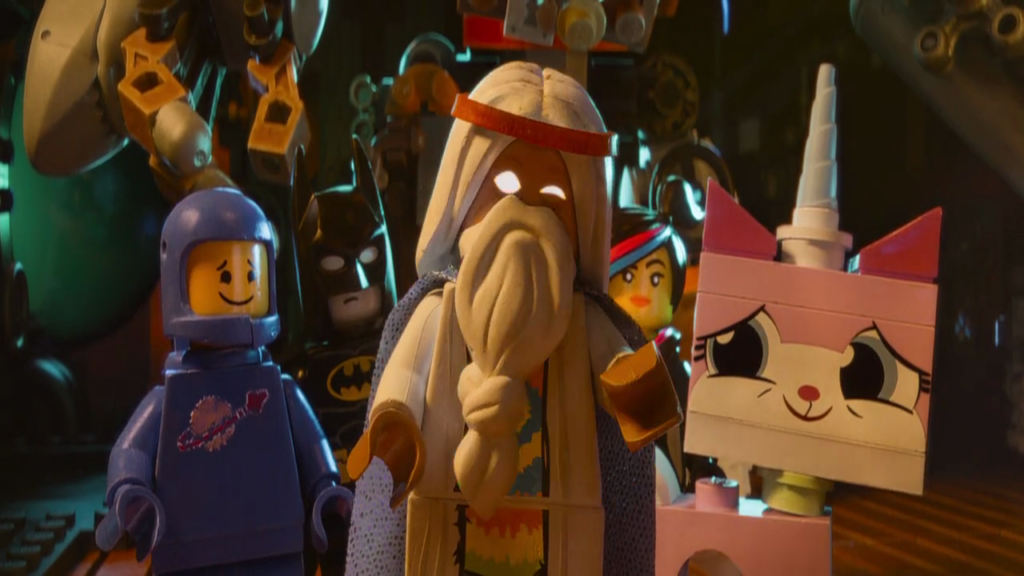
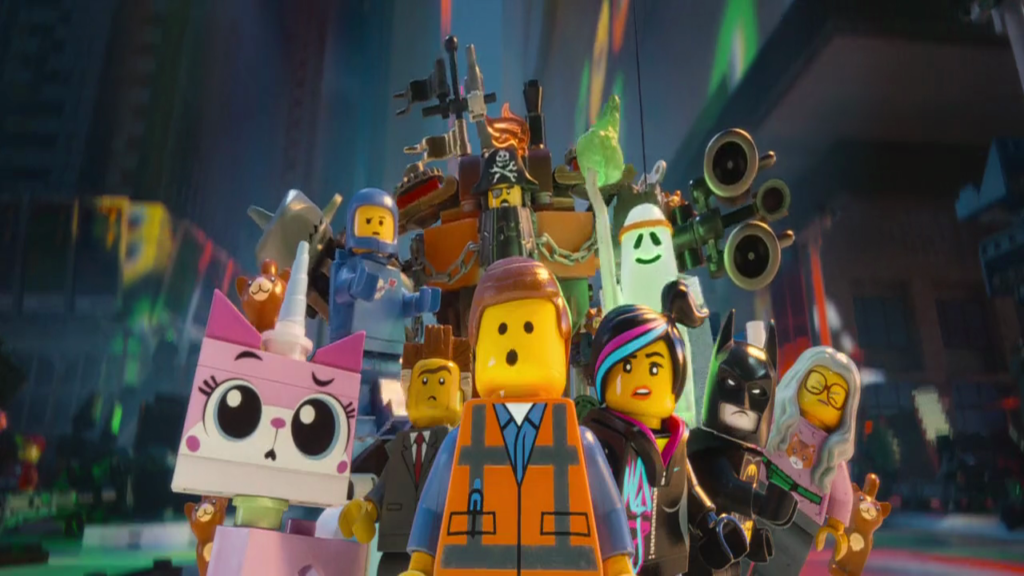
Emmet’s dilemma really encapsulates the Lego mantra as a whole too: some people like to build by following the instructions, and some like to use their imaginations, but everyone should be able to play together. The Lego Moviereally is about Lego itself, and that is really quite clever. On top of that, it brings together a lot of the iconic sets, blocks and characters that Lego builders will recognise and just plays with them in a fun way. There is also the licensed characters from other franchises that make an appearance, and there is a lot of them. The film constantly throws these characters at the audience throughout the film, and offers some fun surprises and leaves you guessing just what will show up next. The most prominent of these characters is Batman, whose character is a cartoon-ish interpretation of him, and lends itself well to the unfamiliar setting. Other characters from DC comics, Star Wars, historical figures and Shaq himself also feature, and provide a cast that is so varied and unpredictable that it offsets the somewhat predictable details of the story. Even then, the film walks the fine line between telling a gripping story and parodying the familiar tropes to keep it humourous and entertaining. Given the diverse cast, there are a lot of small references that are easy to miss, but rewarding to find. The “Kragle” being named after “Krazy Glue” with some of the letters scratched off the side of the tube reminds me of a similar term in the film “Zardoz”, which would be an obscure reference to throw in there.
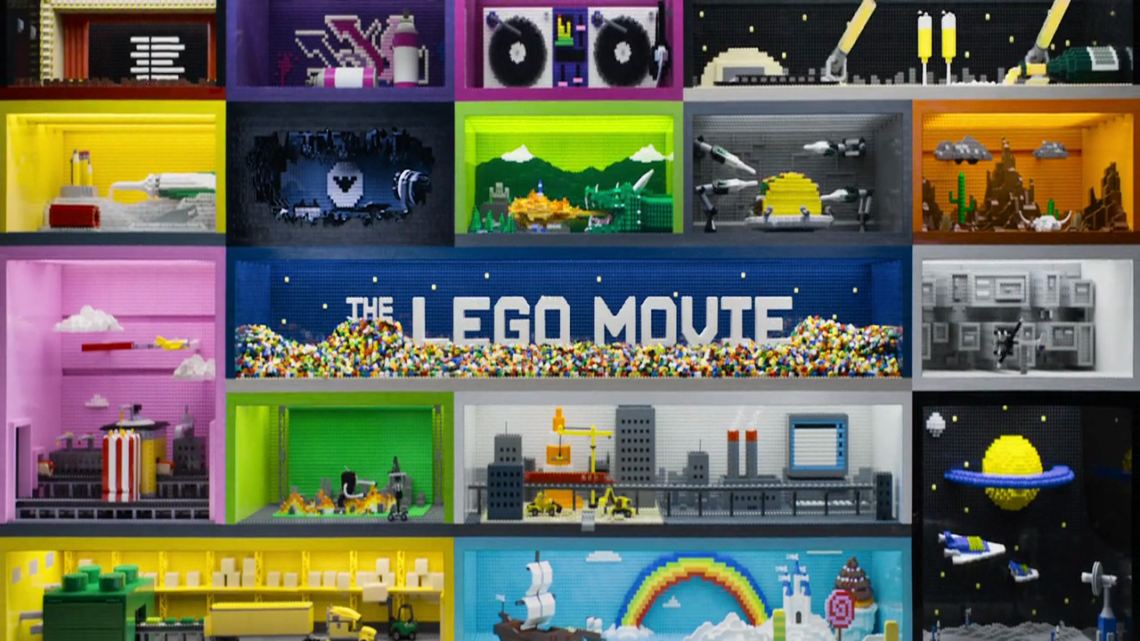
The film has the look and feel of a stop-motion movie made with actual Lego figures, but is, in fact, entirely computer animated. This is a homage to a popular movement of home movies that people made with Lego sets (often termed “brickfilms”), and really builds on that feel and takes it to another level. The whole film is fun and colourful, with some eye-popping visuals. This is best found in the film’s action scenes, which are fluid and filled with imaginative sequences. Some of these scenes can be hard to follow when there’s so much happening on screen, and it is difficult to know where to focus your attention, but it doesn’t ruin the overall enjoyment. The Lego Movie is an ambitious project that aims to capture the diverse and limitless possibilities of its franchise into a cinematic experience, and for the most part it succeeds: the story is a little simple, but it stays true to the Lego ethos, and augments it with a large cast of characters and settings that really open up the film to appeal to a wide audience (again, similar to the Lego ethos). The film is humourous, entertaining, and maintains a high level of energy all the way through. Maybe the fast pace and constant shifting of focus won’t appeal to some people as it does feel like a child playing with Lego and making up a story as they go along, but I think it always manages to provide something worthwhile without going too over-the-top, and exceeds expectations in almost every way.
-
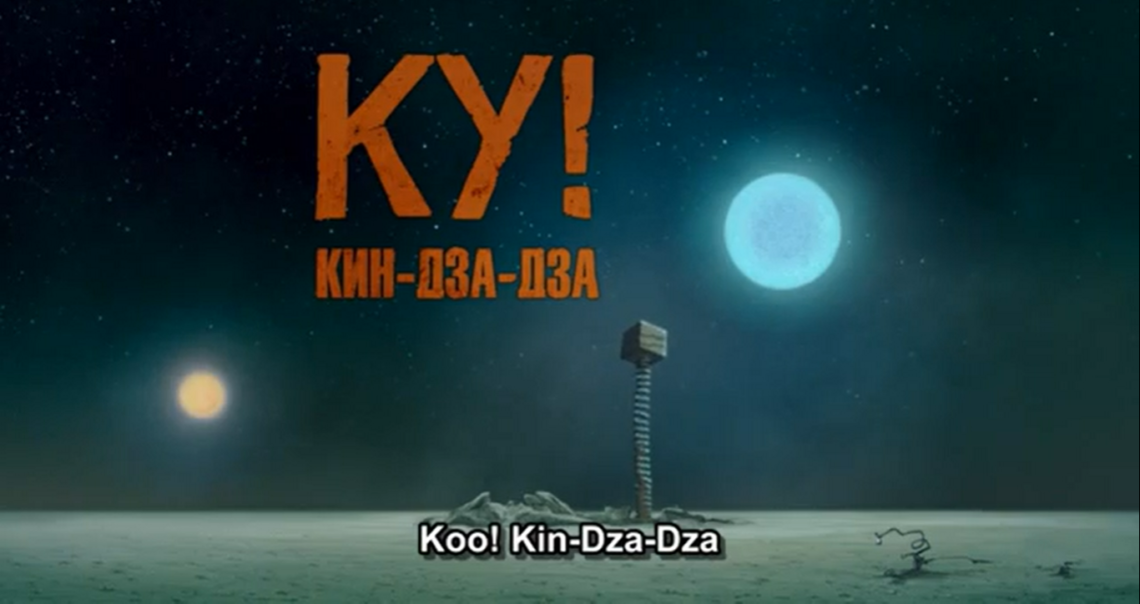
#355 – Ku! Kin-dza-dza (2013)
Ku! Kin-dza-dza (2013)
Film review #355
Director: Georgy Danelia, Tatyana Ilyina
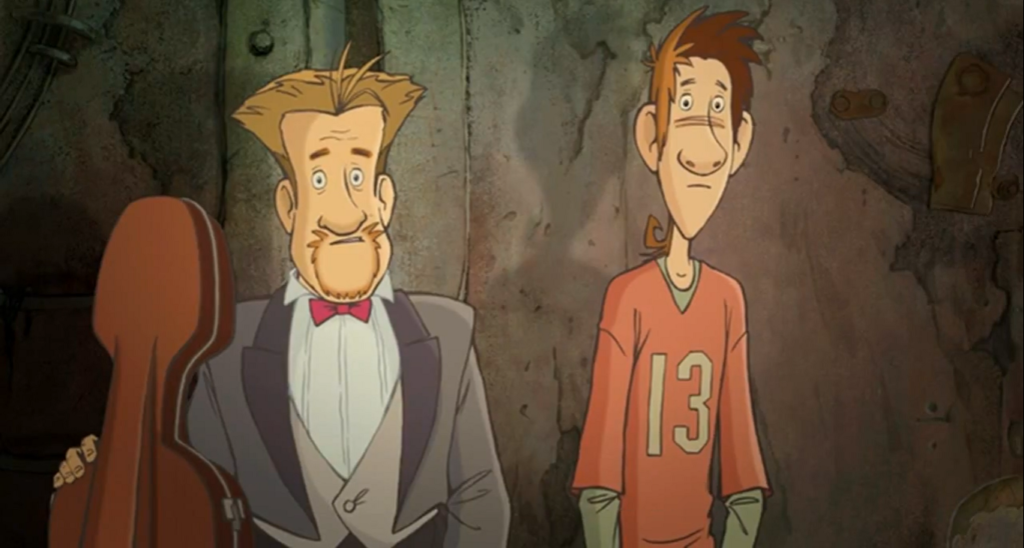
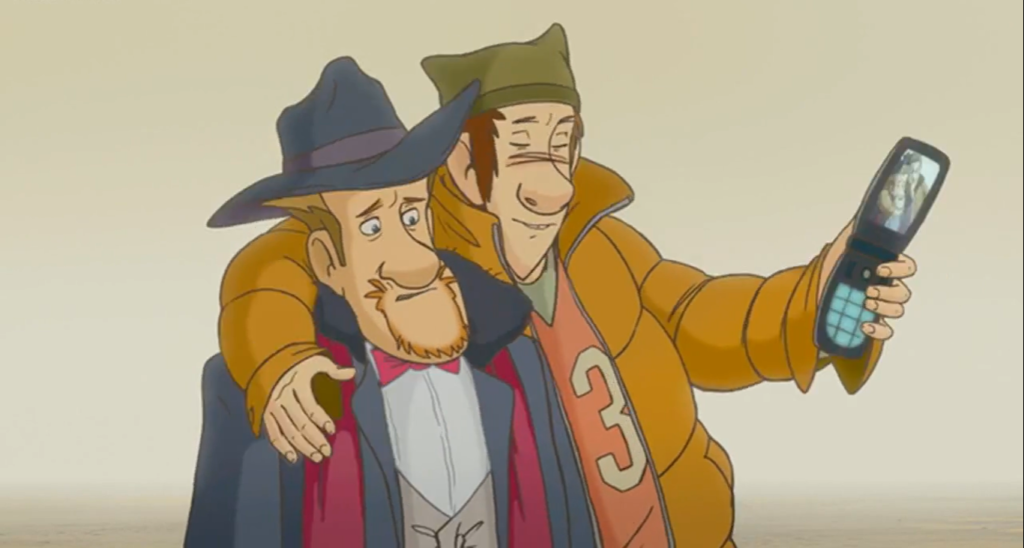
SYNOPSIS: A world-renowned cellist is on his way home when he is approached in the street by a young DJ claiming to be his nephew. The two see a strange looking fellow who wants to know “the number for their planet”, and when they press the button on the device in his hand, are instantly teleported to an alien world. The two of them must work together to find a way home, while also trying to navigate a dystopian society that very little sense to them…
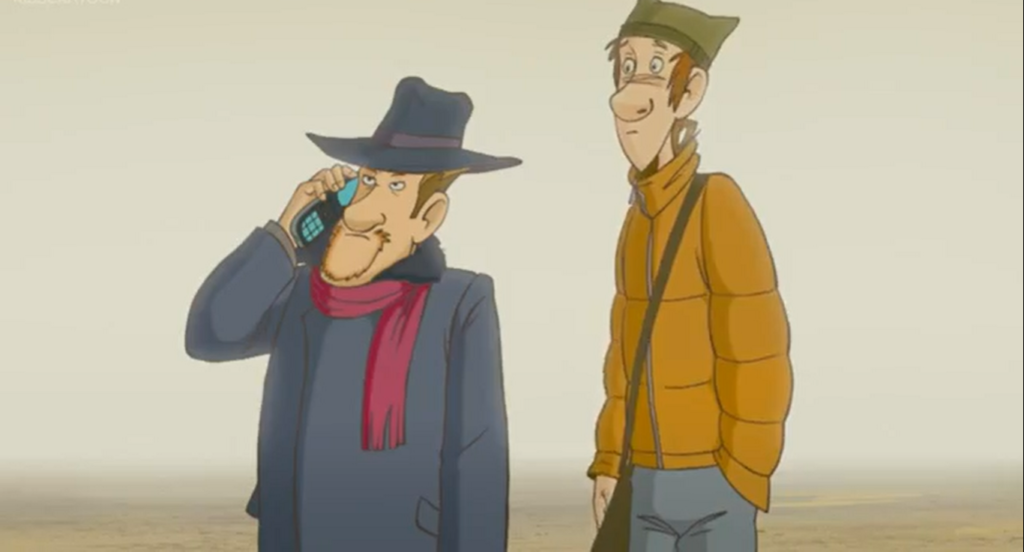
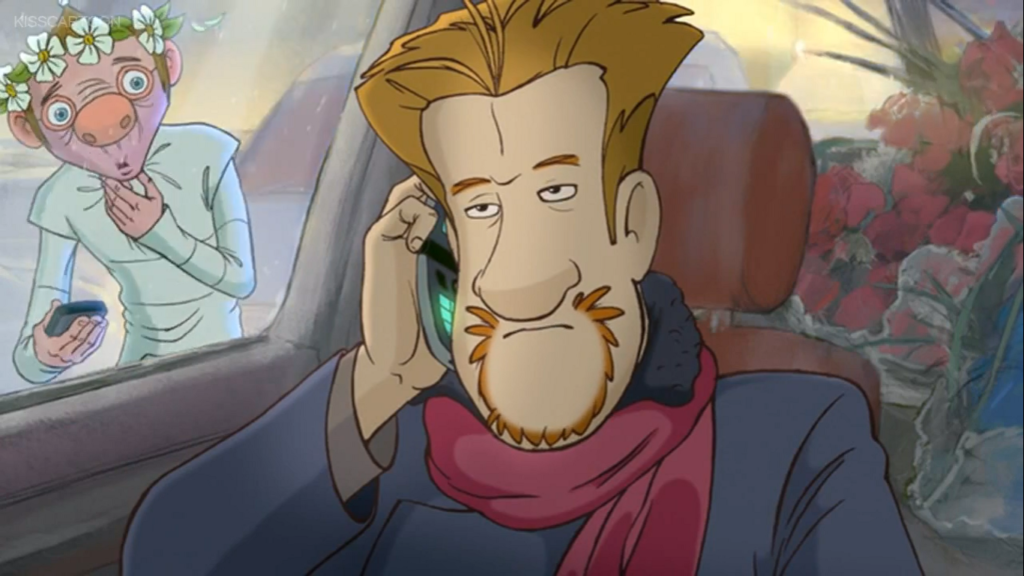
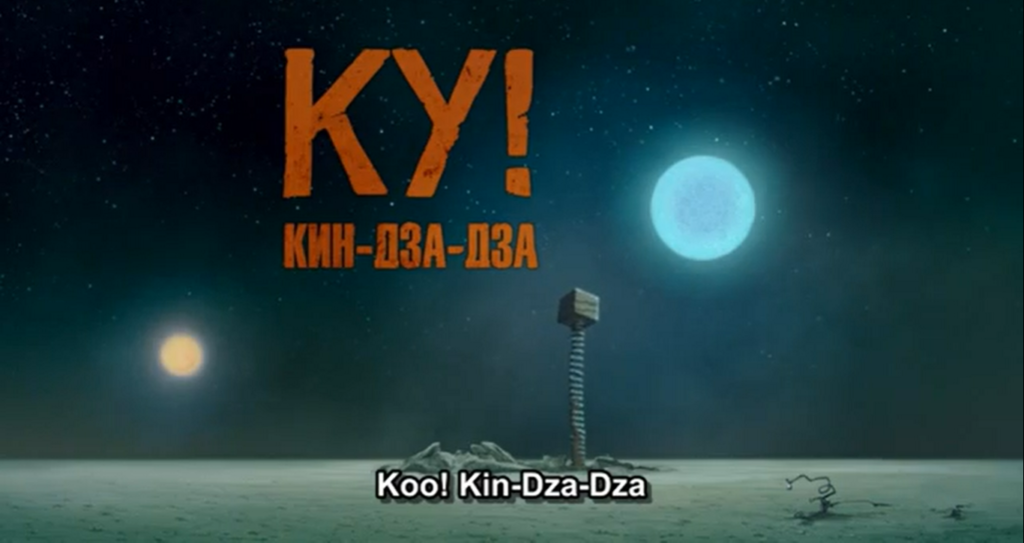
THOUGHTS/ANALYSIS: Ku! Kin-dza-dza is a 2013 Georgian/Russian animated film, and a remake of the 1986 soviet film Kin-dza-dza. The original is a much loved film in it’s home countries, and is a very good dark comedy that also addresses issues of discrimination through its absurd setting. The story of the remake is very similar to the original: some of the scenes are practically identical, and for the most part, it captures the essence of the first film pretty well. Vladimir Chizhov and Tollik Tsarapkin are teleported to a distant alien planet after accidentally pressing the buttons on a device that a strange man was holding on the streets of Moscow. They find themselves on the planet Pluke, and encounter Bi and Wef, a pair of locals who try and swindle the two of them out of everything they have. The group forge an uneasy alliance as Uncle Vova (Vladimir) and Tollik try to find their way home, all the while trying to adapt and survive on this planet whose social structure is completely unlike anything they have ever encountered, such as social status being at least partially determined by the colour of one’s trousers. The film retains the story of the original, and so keeps most of the fun and satirical elements that made it so popular. In some parts the darker elements feel a bit lighter, as this remake is intended to be aimed at a more general audience.
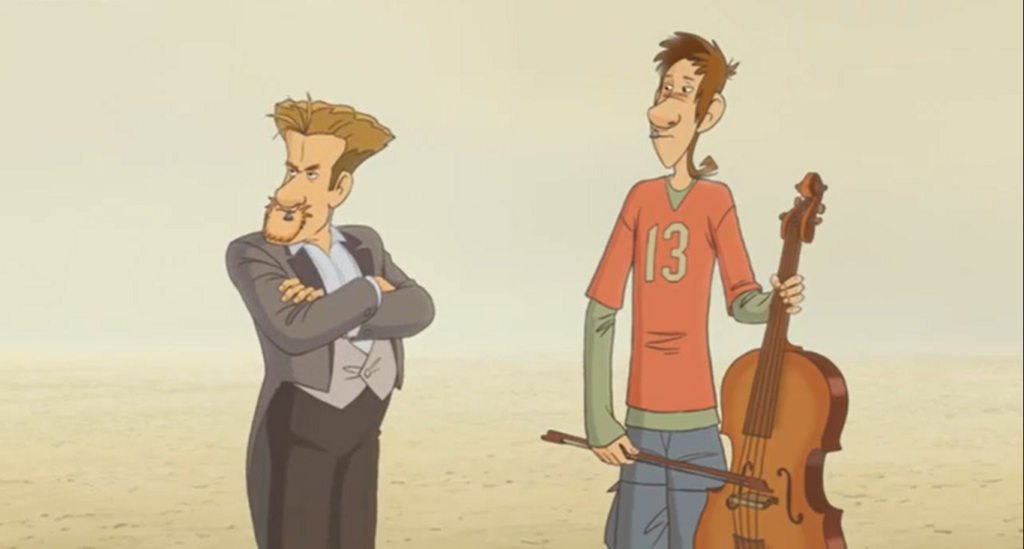
One of the biggest changes is the names and occupations of the two main characters have been changed: Vladimir is now a world renowned cellist (in the original he could play the violin, but the instrument wasn’t his) instead of a foreman, and Tollik is a DJ. One of my main criticisms of this remake is that these small changes do end up ultimately harming the essence of what made the original successful. One of the key strengths of the original was the banality of the main characters and their mundane existence suddenly having to cope with the rules and social structure of an alien planet. In this version, having Vladimir be a famous violinist sets him up as having a backstory that disrupts this banality. There’s also a story about his ex-wife that is quietly built up in the background too, which again loads up the character with a bit too much baggage, rather than a blank slate that doesn’t bring as many complications into the story. Having Tollik be distantly related to Vladimir as well undoes the original’s premise of two men who just happen to be walking down the street at the same time and having never met each there before having to work together on an alien world is complicated through trying to develop these characters independently of the situation.
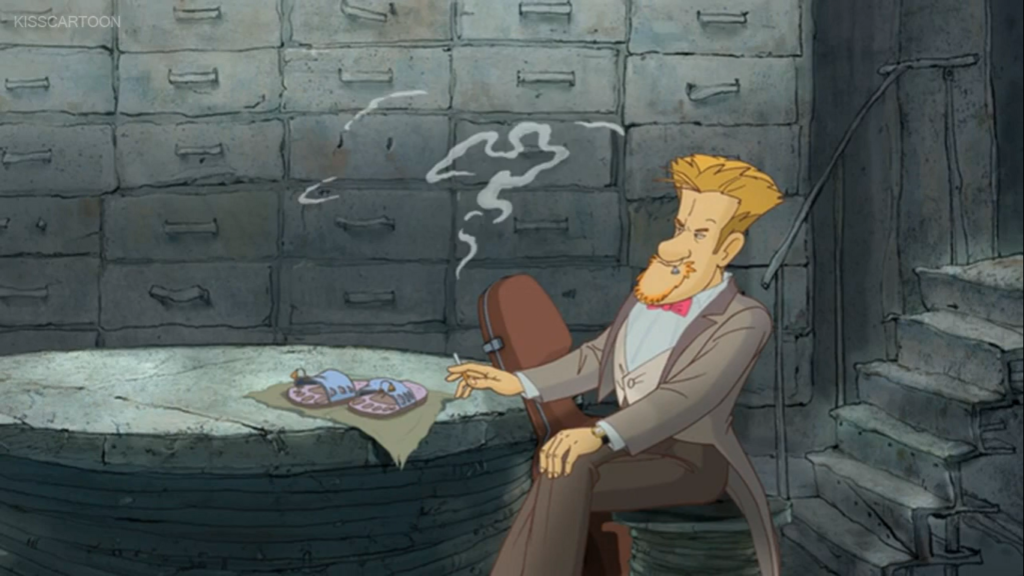
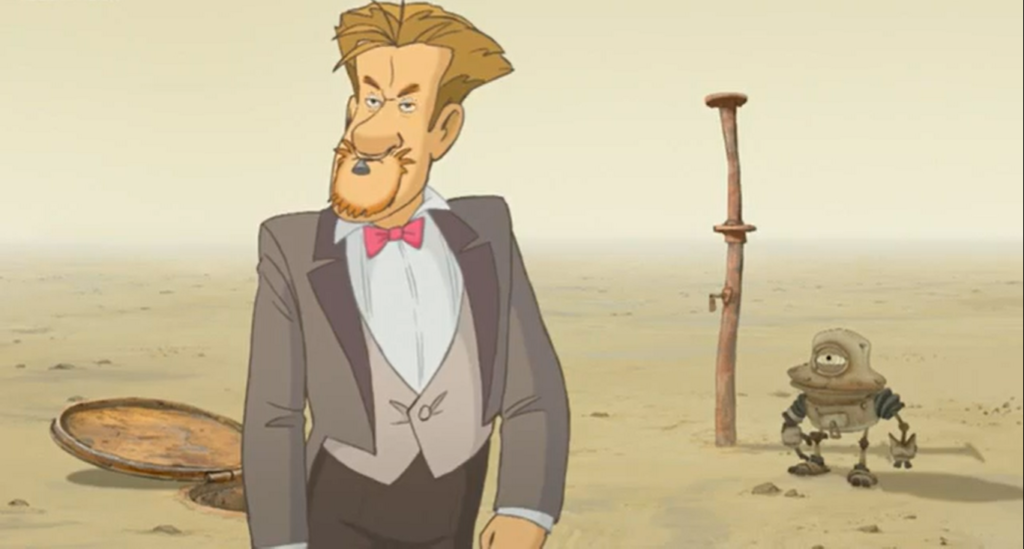
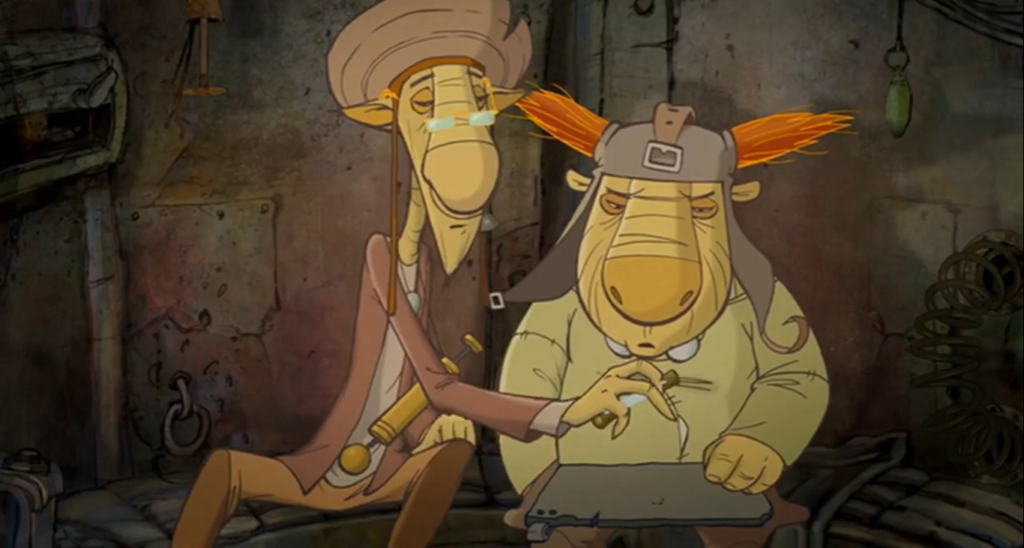
There are some changes, however, which add some good and interesting takes on the story. Being an animated film, there’s much more scope to be creative with the characters and design of the alien world. There is, of course, a risk of again disrupting the plainness of the original by being too over-the-top and fantastical, but to the film’s credit, in this respect it pulls it off quite well. Being set on an alien world, the characters are drawn with a more alien appearance, but they’re just alien enough without it being distracting. Other minor characters are more odd in appearance, but since they’re only on screen for a short time they don’t disrupt the tone of the film. Credit should be given to the film for achieving this balance. The animation in this film should also be commended: it is fluid and full of expression, and offers some detail and scenery that the original could not provide.
Overall, Ku! Kin-dza-dza is a faithful remake of the original, but ultimately doesn’t offer anything new or improve on what has gone before. The original was a sparse, small production, whereas this remake has a big budget and funding to appeal to a larger audience, and the changes that are made to accommodate this mostly end up affecting it a negative way. It’s not a bad film, because it sticks close to the original, and the original is very good: but when you’re remaking a film that was more or less perfect, you need to have a damn good reason to do so. Changing it to an animated film brings with it some benefits, but on the whole there just doesn’t feel like there’s enough substantial difference to justify the remake, and there’s no real reason to recommend it over the original.