-
#710 – The End of Eternity (1976)
he End of Eternity (1976)
Film review #710
Director: András Rajnai
SYNOPSIS: From the “Time Channel,” a group of immortals control the development of humanity by carefully studying and altering certain events. Thomas Harlan works as a technician for the Time Tunnel, and falls in love with a mysterious woman who is from a time period that has blocked off access to the time travellers, and uncovers the dark truth of the organisation…
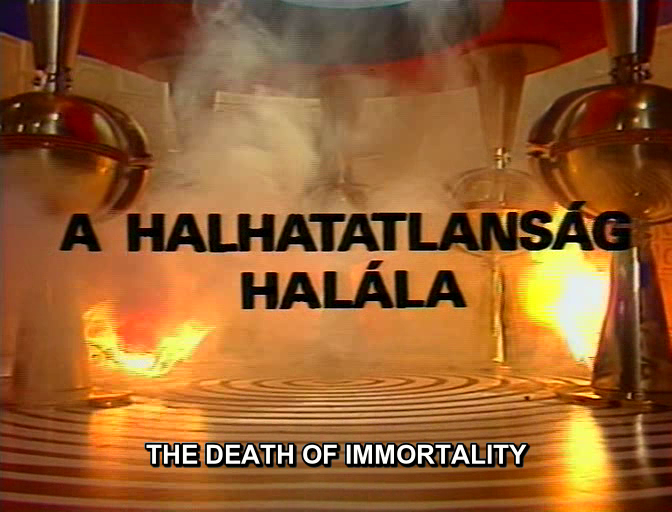
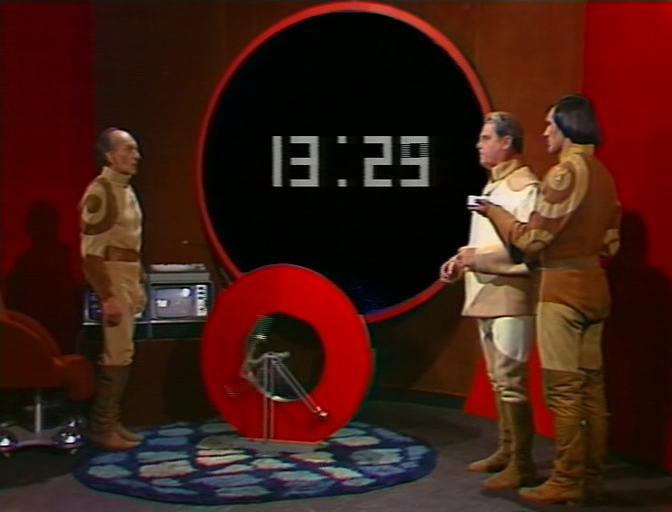
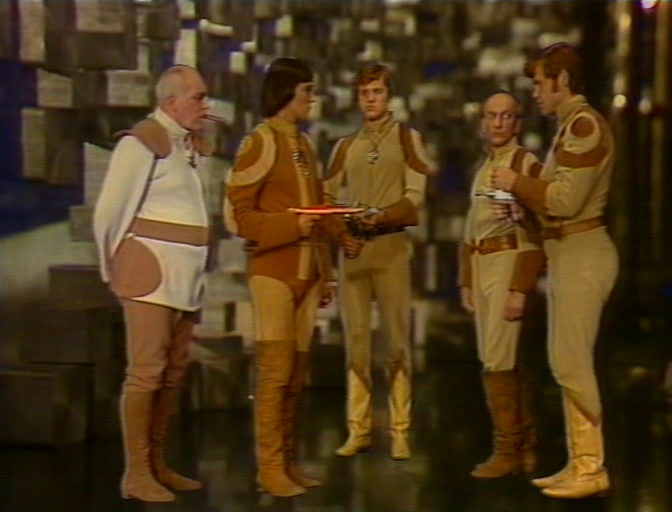
THOUGHTS/ANALYSIS: The End of Eternity is a 1976 sci-fi TV movie based on the 1955 novel of the same name by Isaac Asimov. The film opens up in explosive fashion, with a literal explosion of some sci-fi setting and people dying as the title appears. We next see Thomas Harlan, a technician for a group of immortals who control the Time Tunnel that they use to travel through time and make careful changes to history for the better. Harlan trains another man named Cooper to travel to the 21st century, and this provides us with an opportunity to learn about the setting and world. I have not read Asimov’s original novel that this film is based on, but I suspect that it explains things a lot better than this film does: there is a lot of information t9o be delivered about the mechanics of time travel, the different eras, the society of the immortals, and so on. A novel gives you the space to tell this, but this film can only get so much across, and I was very quickly lost over what was happening. Basically, a woman from a time period which has managed to close itself off to the time travellers and their interference arrives, and Harlan falls in love with her. This is a part of his boss’s plan to get information on how her society was able to block time travellers, and when they imprison her in the far off future, Harlan has to try and get her back. It’s a simple enough story I suppose, but as mentioned, the ways it’s explained is very opaque. This is compounded by the short runtime of eighty minutes, and a very off pacing that doesn’t build up much suspense or tension: it feels like every time there’s something new happening, the film needs more time to explain it, and it brings every thing to a standstill. Maybe it flows nicer if you can listen and understand the language rather than watching with subtitles, but I feel that might not be enough.
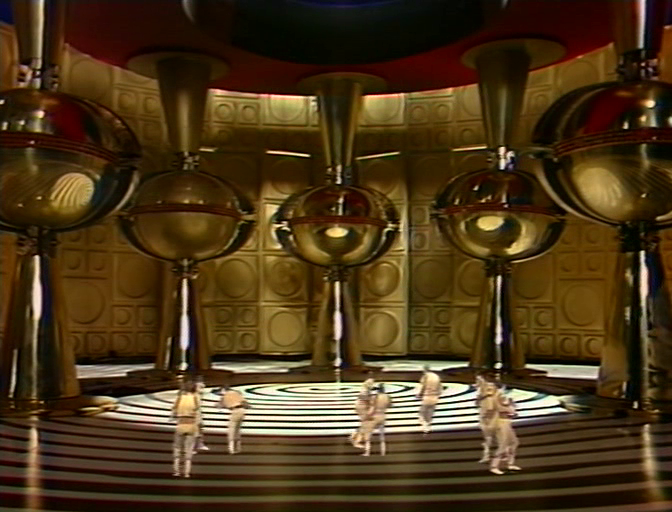
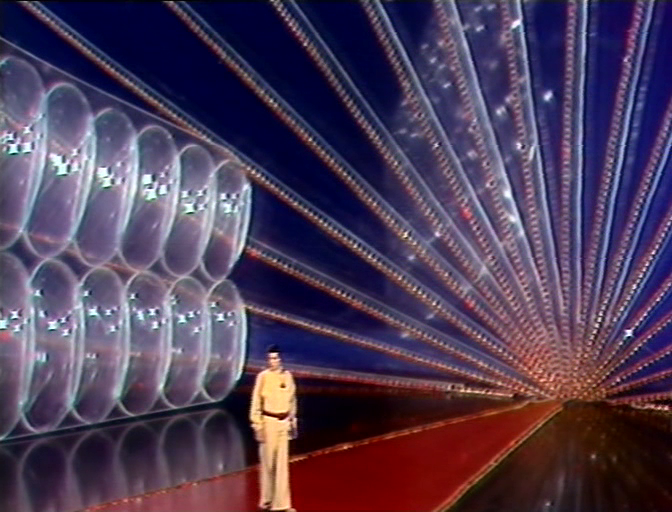
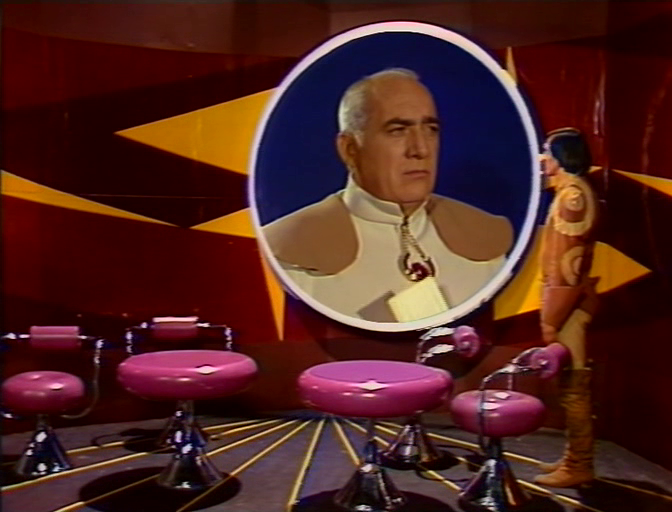
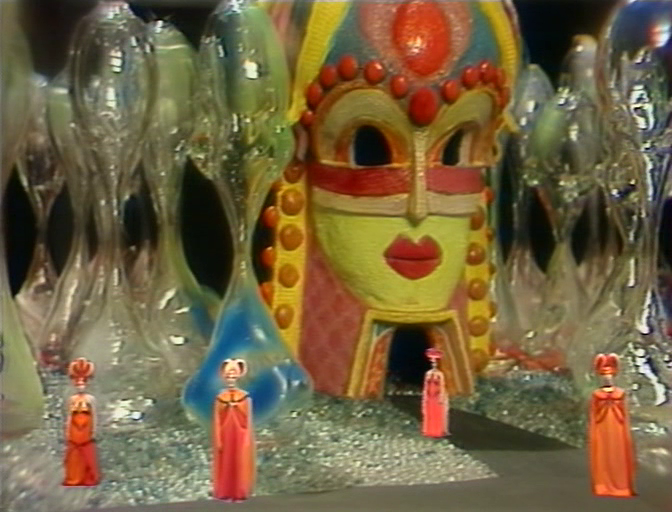
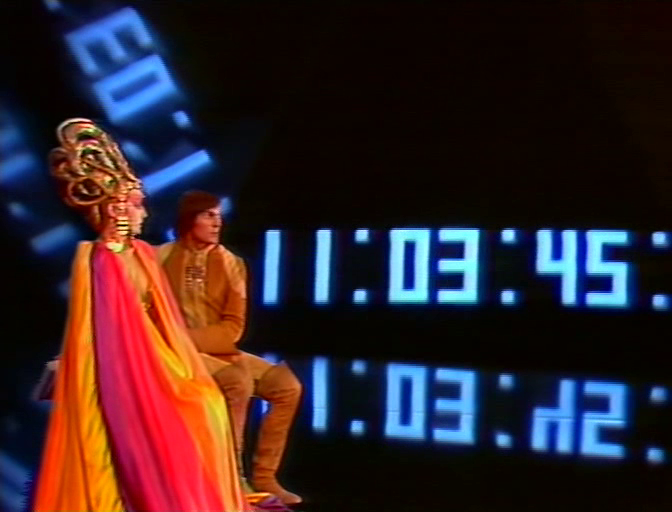
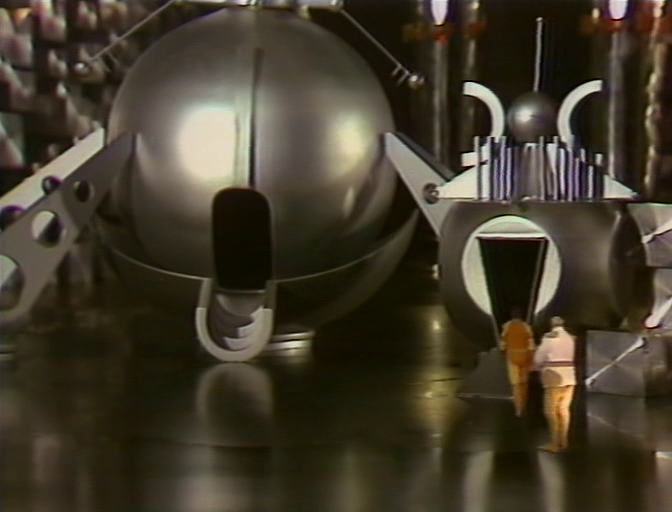
The visual style of this film consists of nearly every scene being set in front of a greenscreen, with all sorts of weird shapes and colours designed to “look” futuristic. There’s not much consistency or specifics to give us an idea of what this setting is like or how it operates; it’s just general sci-fi fluff. You can tell there’s an interesting story behind The End of Eternity, but the complex plot device of time travel just isn’t explained very well here. With settings that all look the same and many scenes of just standing around and talking, it often feels like the story doesn’t go anywhere, and nothing is built up or established well enough to maintain your attention. An interesting take on sci-fi from Hungarian TV, but poorly executed in terms of pacing and production.
-
#594 – Heart of a Dog (1976)
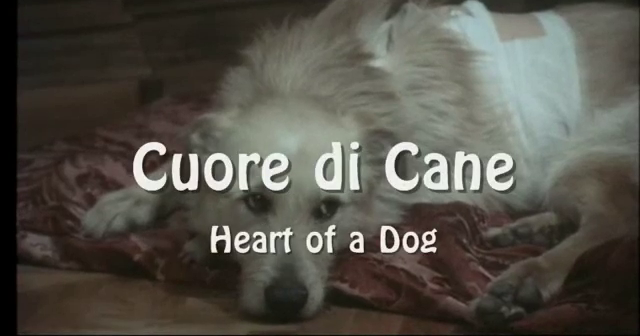
Heart of a Dog (1976)
Film review #594
Director: Alberto Lattuada
SYNOPSIS: A stray dog on the streets of Moscow is taken in by noted surgeon Professor Preobrazhensky, with the intent of using him in an experimental procedure to transform him into a human being. While the experiment is a success, Bobby, as the Professor has called him, quickly becomes an uncontrollable nuisance, leading to constant tension between him and the Professor…
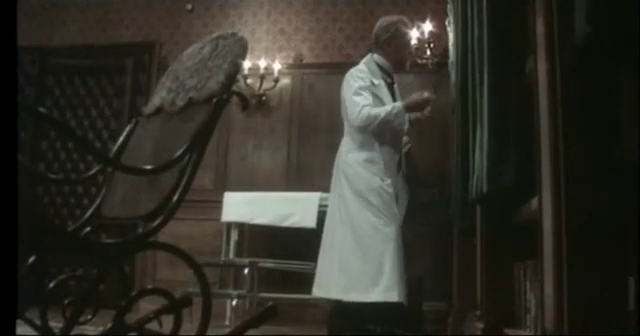
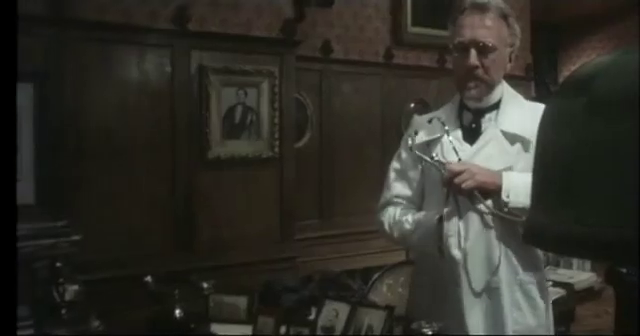
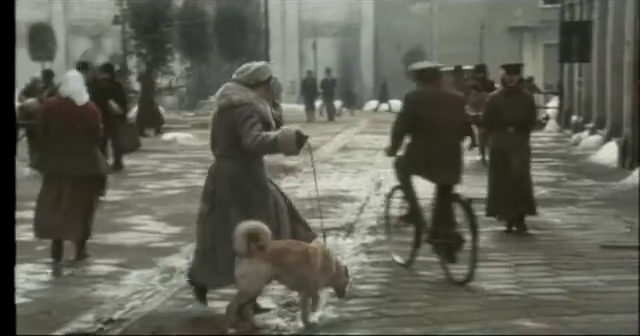
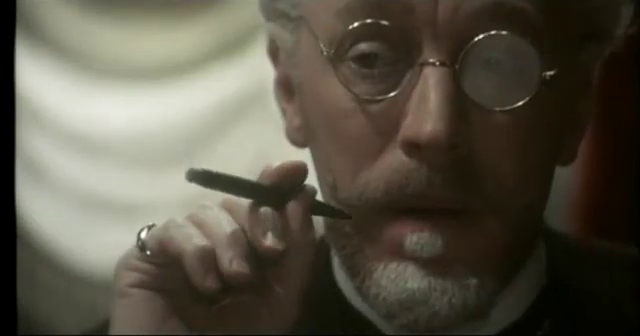
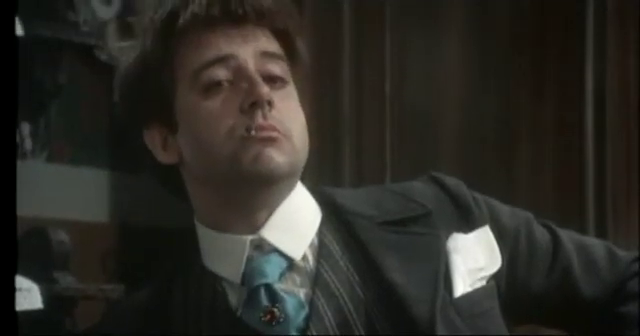
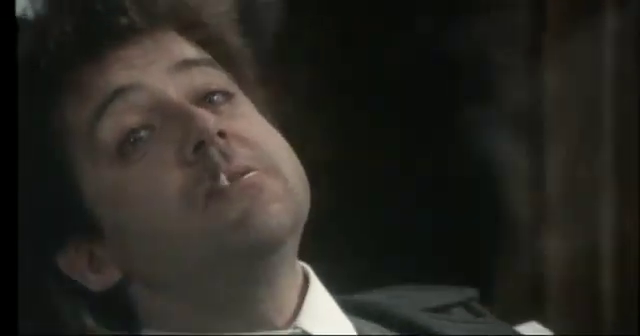
THOUGHTS/ANALYSIS: Heart of a Dog is a 1976 Italian comedy film based on the 1925 novel of the same name by Mikhail Bulgakov. It is the first adaptation of the film, released while the novel was still banned in its native Soviet Union, and likewise before the release of the successful 1988 film adaptation made there. The story follows the novel fairly closely, with a stray dog being taken in by Professor Philip Philipovich Preobrazhensky, a surgeon who has been performing operations to transplant animal organs into humans to replace them. His next experiment involves the reverse: transplanting human body parts into a dog. The result is that the dog transforms into a human form, but unfortunately for the Professor, his subject’s views are vastly different than his own, setting up a classed-based conflict between the two. The story is fairly close to the novel, with only a few minor changes I noticed compared to the 1987 film, which is a very strict and accurate translation. The tone is perhaps a little lighter as it is geared to more of a comedic approach to the source material, but it still has a fair amount of grit to it in reflecting the state of the Soviet Union at the time. It’s never really laugh-out-loud funny, but you certainly get the point of the scenes and what they are satirising, without it biong too direct and literal.
The main issue with this film is actually nothing to do with the film itself: it captures the beats of the novel and its message fairly well. The problem is it just can’t compete with the version made in the Soviet Union ten years after this version: the whole point of the film relies so much on the time and place it was set, and an Italian/German co-production will never be able to compete. An issue with the film itself is that the latter half doesn’t really have too much of a direction, and is just scenes of Bobby and Philip arguing with one another about different things. The performances, including Max Von Sydow as the Professor are good, But again, in a choice between this version and the 1987 version, you’ll always choose the latter. This 1976 version does everything it needs to do, but without that context of being set in the Soviet Union and being made by those who understand and lived through the source material, this version will always come up short.