-
#707 – Starry Night (1999)
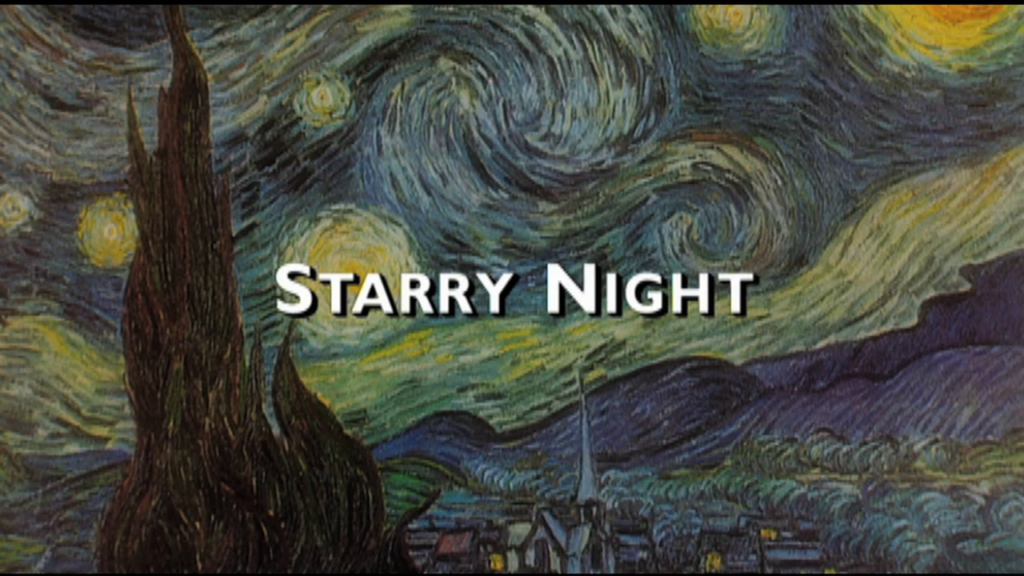

Starry Night (1999)
Film review #707
Director: Paul Davids
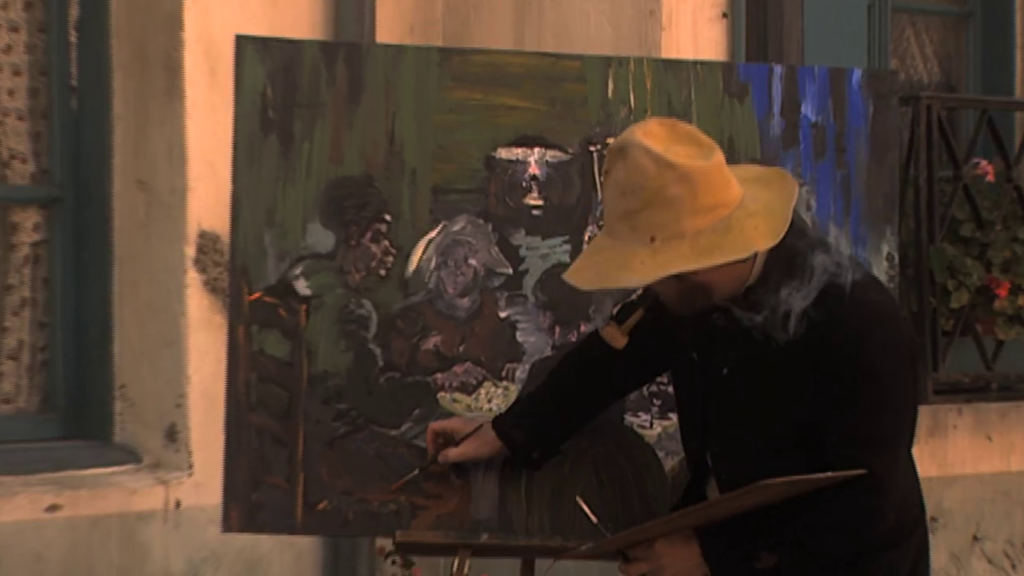
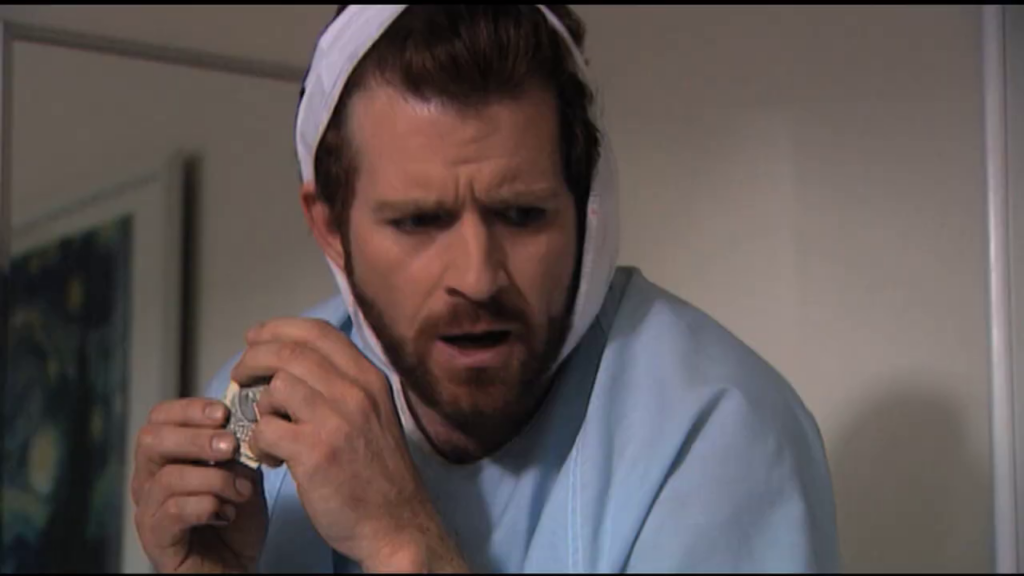
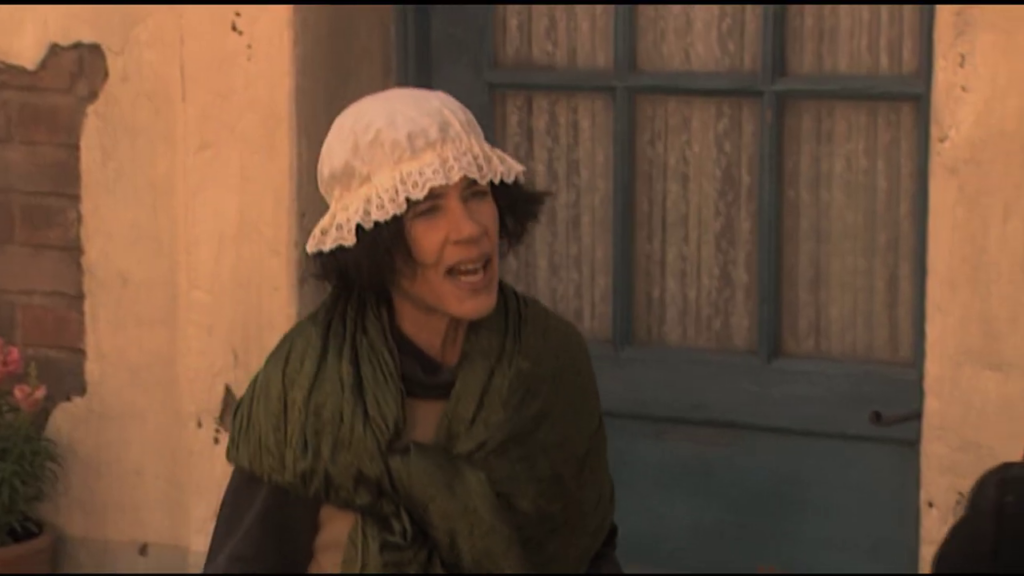
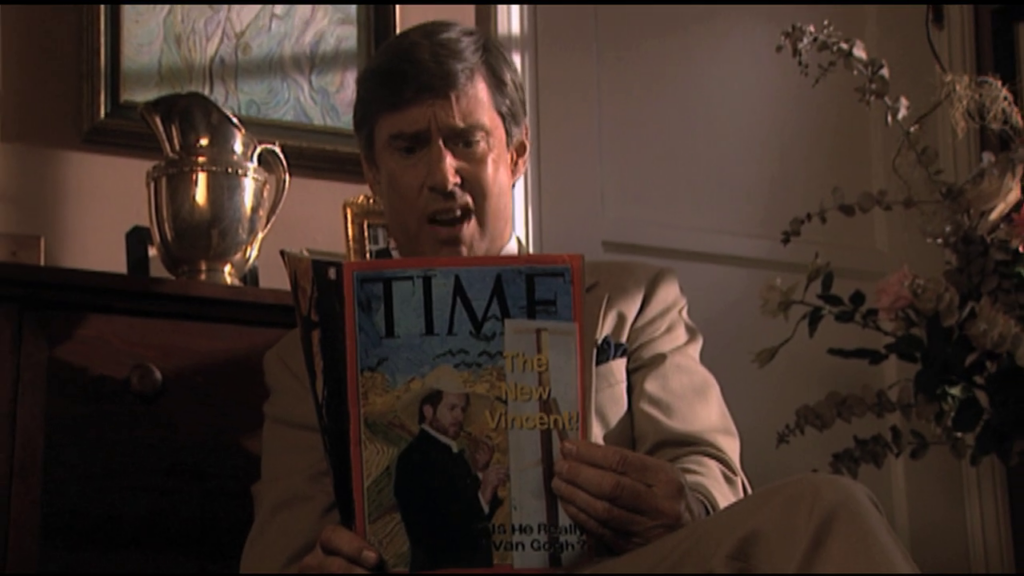
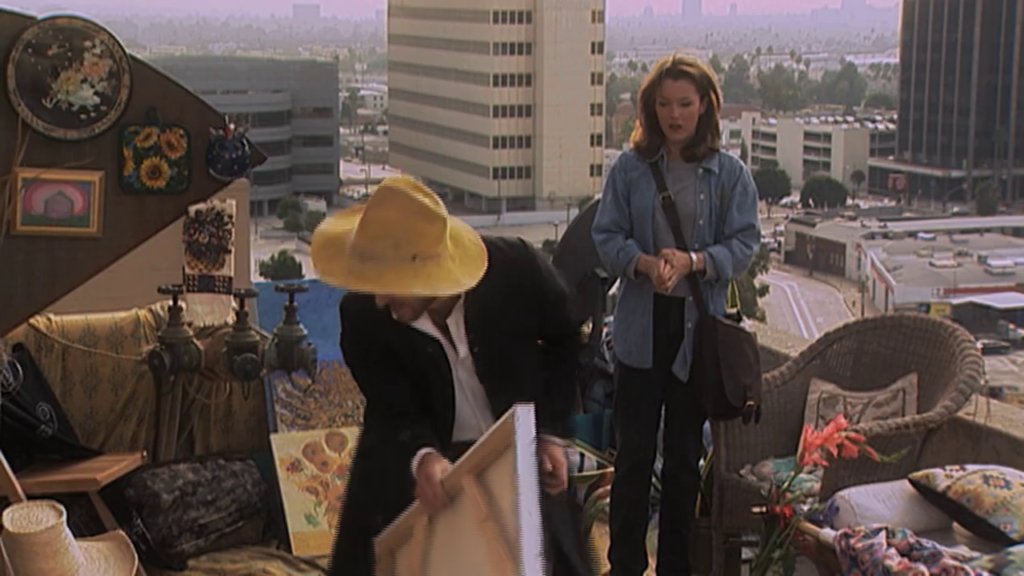
SYNOPSIS: Artist Vincent Van Gogh meets a strange woman who offers him a magic potion that she says will resurrect him over one hundred years after his death. Sure enough, he comes back to life in 1999 to find his artworks that, having been forgotten in his lifetime, were now valuable and world-famous. He starts stealing his own artworks from the collectors that have purchased them, claiming they belong to him, and leading him to having to prove he is the real Vincent Van Gogh.
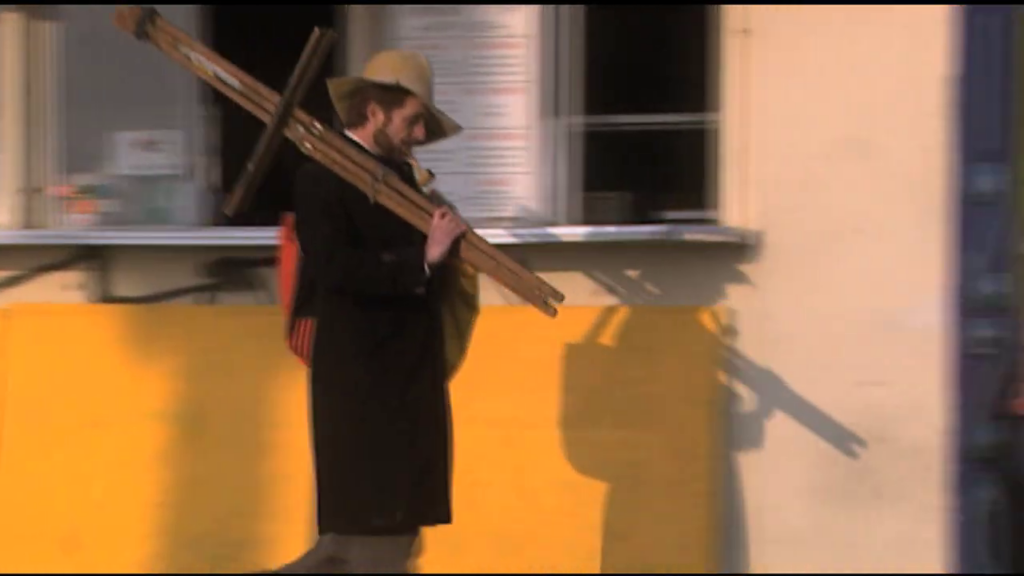
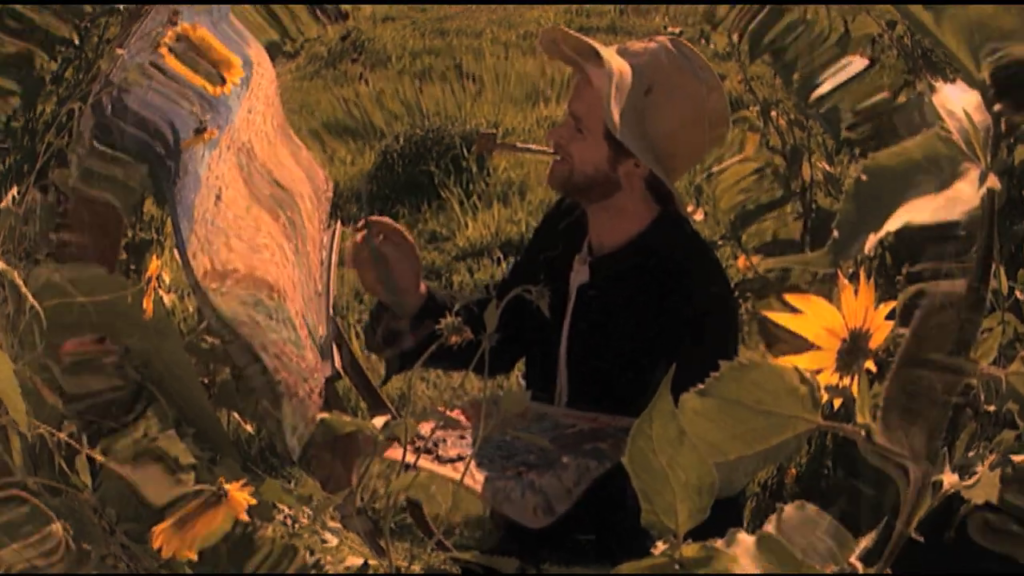
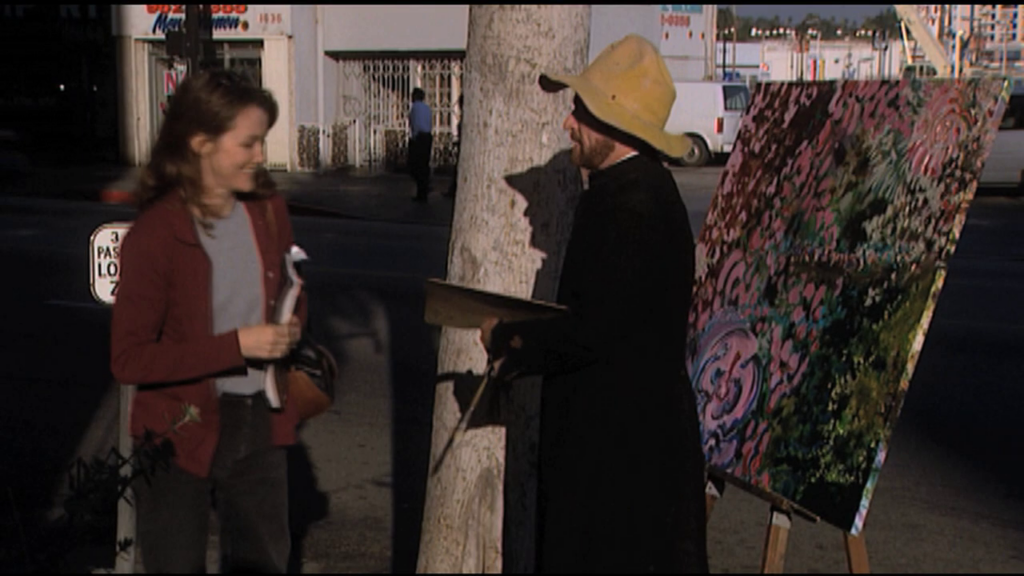
THOUGHTS/ANALYSIS: Starry Night is a 1999 film based around the Dutch artist Vincent Van Gogh. The opens up with Van Gogh being visited by a strange woman who gives him a potion that apparently will bring him back to life about a hundred years after he dies. Who she is, why she has such a potion, why it takes about a hundred years to come to back to life; none of this is explained any further. We cut to a grave of Van Gogh, and next, a present day parade with Van Gogh wandering around lost. Again, no detail given to how he managed to resurrect himself and get there. This is an ongoing issue with this film, in that the scenes are very disjointed and often implausible how one gets from one scene to the next. This continues when Van Gogh ends up in hospital next to a lawyer from Los Angeles, and next scene, he ends up in L.A. There’s no conceivable way Van Gogh would be able to travel from the Netherlands to the U.S.; he’s not exactly going to have a passport is he? There’s a bit of the typical fish-out-of-water scenario as Van Gogh tries to adjust to the present day (of 1999), but there’s not a lot. The story instead is focused on the plot of Van Gogh learning about how valuable his artwork has become, sets out to steal his artwork from the rich collector’s that have brought them, and attempting to prove that he is who he says he is, and they are his property. Again, how he is able to constantly break into mansions, evade modern security systems and steal highly valuable artwork is never really explained.
The purpose of this film is, it seems, to be a more positive, feel-good film, providing a “happy ending” for Van Gogh of sorts: while he was largely forgotten and unsuccessful in life, this film aims to show the artist that his work would find fame and acceptance. The specifics of that, as mentioned, are very light on details, and the story lacks any real direction, hobbling along with a barebones romance and minor disputes to support it. The very low budget doesn’t allow for anything of real interest to happen, and locations are very limited or obvious greenscreens. The acting is also very poor: David Abbot as Van Gogh barely conveys anything interesting or emotionally engaging, and his attempt at a Dutch accent constantly wanders into Irish, which is very silly. The rest of the cast too, fail to generate anything noteworthy. While I appreciate there’s some heart in this film to give Van Gogh’s life a happy ending, there’s no effort to make a cohesive story or film in general, skipping over important details, having no direction, and flat performances that make the film irrevocably dull. There’s plenty of better films about van Gogh out there.
-
#669 – Austin Powers: the Spy Who Shagged Me




Austin Powers: The Spy Who Shagged Me (1999)
Film review #669
Director: Jay Roach
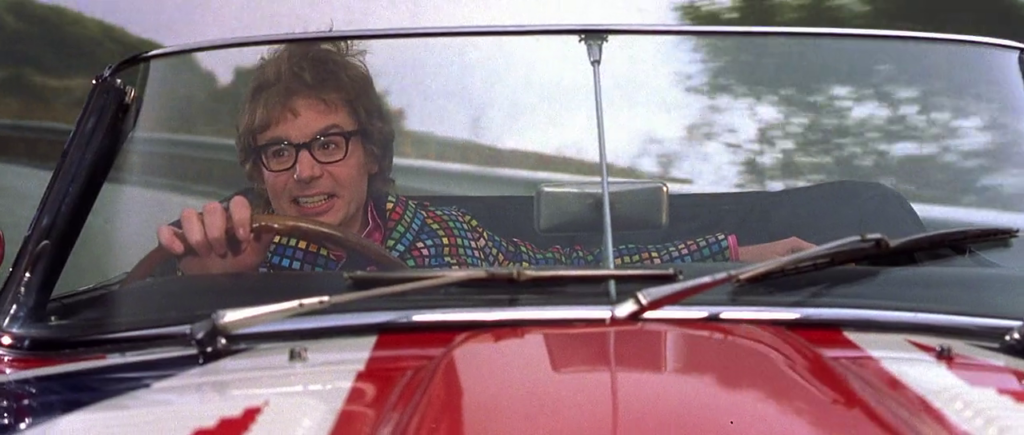
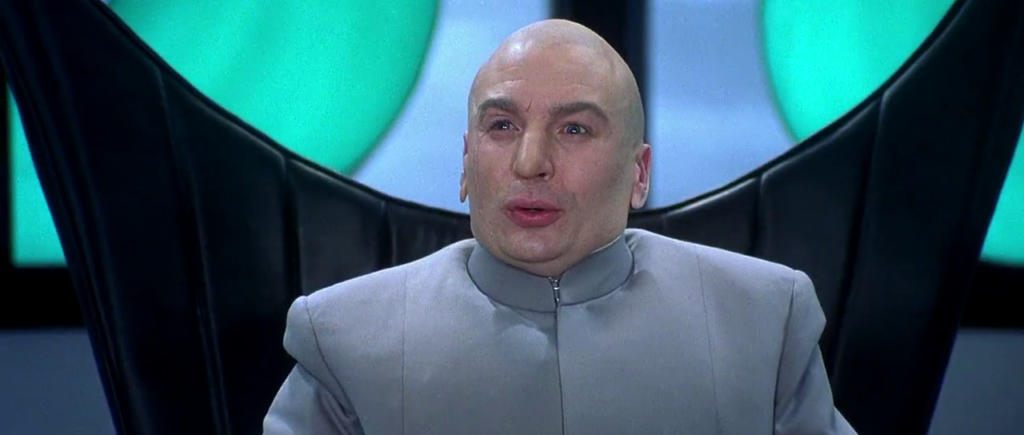
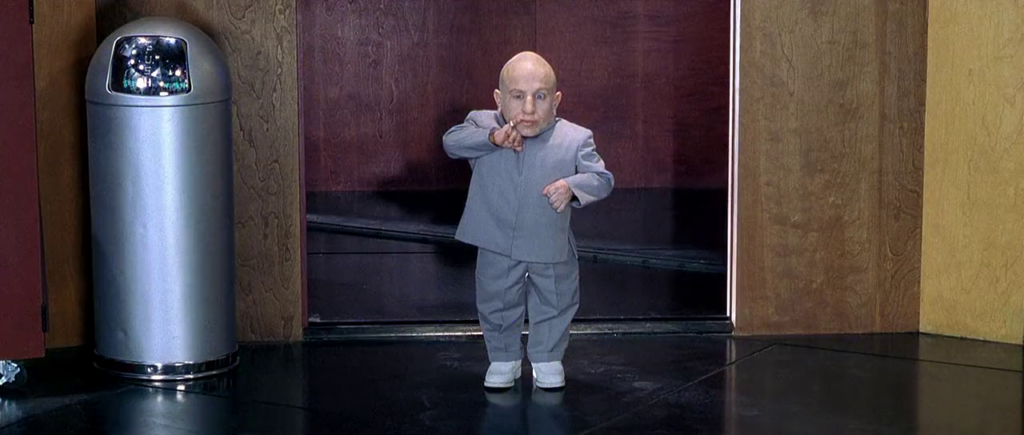
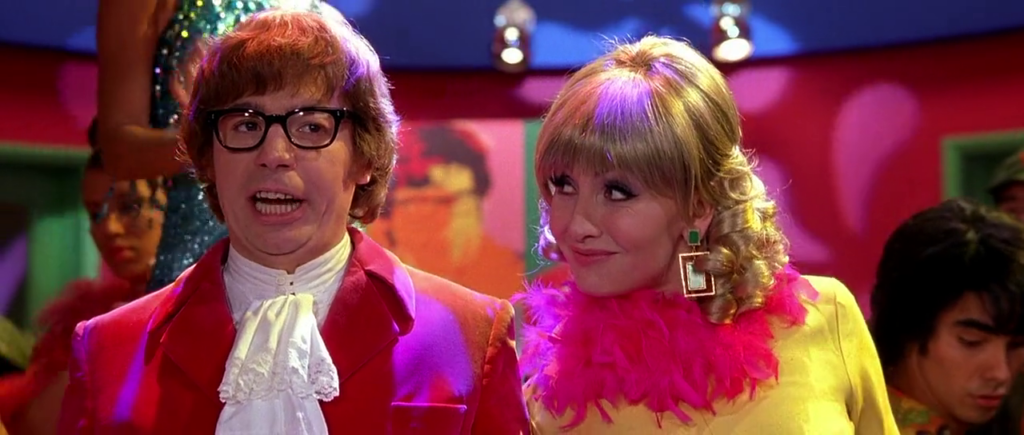
SYNOPSIS: Dr. Evil returns from being frozen orbit with a new plan to defeat his nemesis Austin Powers: he travels to 1969 to steal Austin’s “mojo” and render him powerless. Austin chases him back in time, and teams up with CIA agent Felicity Shagwell to once again thwart Dr. Evil’s plan for world domination…
THOUGHTS/ANALYSIS: Austin Powers: The Spy Who Shagged Me is a 1999 film and a sequel to the 1997 Austin Powers film. Picking up right where the first film leaves off, Austin is on his honeymoon with Vanessa, when it turns out she is a fembot and tries to kill Austin. Destroying her and thus restoring his singlehood. Vanessa being a fembot all along makes zero sense in continuity, but like its predecessor, the film is a spoof that insists you don’t overthink about continuity and plotholes, and just “enjoy the ride.” This also goes for the time travel element of the story, as Basil and Austin turn to the camera, and tell the audience not to worry about it. That’s honestly the best way to do it in this type of film: you don’t want to get bogged down in the details and be thinking how it makes sense, rather than just enjoying the humour. Taking Austin back in time to 1969 puts Austin in his element, and refreshes the story instead of it being about Austin having to adjust to the 90’s again, which is a smart move and provides fertile ground for new material. In fact, I think this film actually flows better than the first one, which jumped around a bit too distinctly and made very little sense continuity-wise.
On the whole, the film is structured the same as the first one: With Michael Myers at the helm and following his experience on “Saturday Night Live,” the film is best treated as a series of related, somewhat connected skits. In this way, you can see that the skits are a bit of hit and miss: although the hits outweigh the misses by a good ratio, making an overall good experience. While the first film had the element of Vanessa being the prudish, straight-laced counter to Austin’s over-the-top colourful antics, this contrast never really got off the ground as a foundational plot-point, as Vanessa warmed up to Austin fairly quickly. Replacing Vanessa (Liz Hurley) with Felicity Shagwell (Heather Graham), who is just as high-energy as Austin is, allows the film to just revel in what it does best: being colourful and fun.
A noticeable change in this film is that the humour pivots to more crude comedy, and incorporating contemporary references. The first film was very much focused on spoofing spy films and obviously 007, and it was very thorough is getting through all the material to spoof. As such, it makes sense to pivot the humour slightly differently, as it somewhat exhausted it’s subject matter. With one of the opening scenes featuring Jerry Springer and his talk show, this obviously feels a bit dated, but you get the idea. The inclusion of the character Fat Bastard, also played by Myers alongside Austin and Doctor Evil, adds in more crude humour, which is not going to appeal to everyone. I think he’s a character which has one joke, which is recycled a bit too much. Nevertheless, he has become a rather iconic character, so you’re mileage will vary with that. The film also has callbacks to jokes from the previous film, but I think they fail to iterate on them or do anything different, so they feel like recycling the same material.
Overall, I think The Spy Who Shagged Me is more or less on the same level as International Man of Mystery. I think it slightly improves over the original in terms of flow and plot structure, and revels in it’s own identity a bit more than focusing on spoofing other films. Where it is weaker is perhaps the incorporation of contemporary references and the crude humour that don’t have the more timeless, universal appeal. On the whole though, the film carries the franchise onward well.