-
#704 – The People that Time Forgot (1977)


The People that Time Forgot (1977)
Film review #704
Director: Kevin Connor
SYNOPSIS: Major Ben McBride learns that his friend Bowen Tyler may be alive in a remote region of Antarctica, and organises a rescue mission. Arriving there with his crew, he finds a forgotten land full of danger, dinosaurs, and not-so-friendly inhabitants, who will make things difficult as Mcbride tries to find his friend…
THOUGHTS/ANALYSIS: The People that Time Forgot is a 1977 film based on the works of Edgar Rice Burroughs, and a sequel to The Land that Time Forgot. The story sees Major Ben McBride (the only returning character from the previous film) organising a rescue mission to Antarctica, where he believes his friend Bowen Tyler has been stranded. Travelling there, he and his team encounter a forgotten land full of mythical creatures, people and danger. The film follows the vein of similarly successful ventures such as its predecessor and Journey to the Centre of the Earth, for example: it’s a fairly standard adventure filled with dinosaurs, natural disasters and action that ticks all the boxes, but isn’t anything particularly special. There’s nothing unique about the dinosaurs brought to life by outdated special effects, or the cast of characters which fill very typical roles. There’s some highlights when we get the establishing shots of locations such as the lair of the inhabitants, and if you really like explosions, there’s a lot of them too, but everything around that just feels very formulaic, and doesn’t generate a spirit of adventure by encountering things new or interesting.
The cast of characters consist of exactly what is necessary: one heroic lead, one woman, one professor, and a native inhabitant. There’s no interesting or original dimension to their personalities to appeal to viewers or make them memorable. As mentioned, the special effects are very outdated, and even by the time not that spectacular: the clearly model dinosaurs do have some interaction with the crew to make them seem like they are actually there, but they’re not very animated. The big thing which I think made the film feel like a waste is that (spoiler) the crew manage to find Bowen, but he dies before they can leave, which makes the whole “rescue mission” seem pointless. A typical climax revolving around throwing people into a volcano and escaping as the land erupts again doesn’t illicit much of a reaction. The sheer volume of explosions at the end as the crew are trying to escape is quite a spectacle, but they are just explosions. There’s very little to grasp onto in The People that Time Forgot: everything in here is done better in similar films, and it fails to stand out. it ticks all the boxes with big creatures, action scenes and an adventure with some sense of scale, but there’s nothing to recommend it over it’s predecessor or others in the genre.
-
#703 – Invasion of the Star Creatures (1962)


Invasion of the Star Creatures (1962)
Film review #703
Director: Bruno VeSota
SYNOPSIS: A pair of hapless army recruits are roped into investigating a nearby cavern that was recently discovered. It just so happens that said cavern is home to a pair of aliens and their deadly creatures that are threatening to destroy the world, and Earth’s only hope is the two hopeless Privates…
THOUGHTS/ANALYSIS: Invasion of the Star Creatures is a 1962 sci-fi film. From the outset, it’s clear this is meant to be a comedy and parody of the b-movie science-fiction films. The main issue of this is abundantly clear, in that the low budget b-movies are themselves already open to ridicule thanks to their daft costumes, wooden acting, and implausible plot holes, so there’s seemingly very little purpose in actually trying to make fun of them. Nevertheless, we have two army Privates, Philbrick and Penn, who form a comedic duo who are roped into saving the world from two aliens who just so happen to have the form of scantily-clad women. The plot is barely there; stringed together from typical b-movie scenarios that poke fun at them a little, but nothing with any real substance. The humour is mostly slapstick and without teeth, but there’s no real budget or imagination to do anything exaggerated and over the top, making the physical humour extremely limited and barren. It’s not to say the entire film is completely flat; it does have a bit of energy and momentum, but it’s nothing special or unique.
you could perhaps imagine the film working better if the leading pair were bigger stars or a comedic duo with more chemistry. As it stands, Bob Ball and Frankie Ray don’t really have the necessary dynamic, appeal, or expertise to pull off anything noteworthy. One aspect which probably stands out the most is the costumes for the aliens, which are just body suits with carrots hanging off them, leading to perhaps the most notable line of the film: “That’s the first time a salad has ever tossed me!”. Watching it today, there’s really not a lot you’ll get out of it that hasn’t been done before and done better elsewhere. Also, there’s a whole host of outdated jokes and portrayals around women and native Americans which certainly have not stood the test of time. In conclusion, there’s nothing to really recommend Invasion of the Star Creatures nowadays.
-
#702 – Synchronic (2019)


Synchronic (2019)
Film review #702
Directors: Justin Benson, Aaron Moorhead
SYNOPSIS: Two paramedic workers, Steve and Dennis, increasingly have to deal with patients that have take a new drug called “Synchronic,” which allows the user to experience powerful visions through time. As Steve discovers he has an incurable brain tumour and Dennis’s daughter Brianna goes missing after she uses the drug, Steve begins to experiment with the drug itself and discovers it actually allows the user to travel through time. Steve believes that Brianna has disappeared somewhere in time, and is determined to work out how to find her before it is too late…
THOUGHTS/ANALYSIS: Synchronic is a 2019 sci-fi film. The film centres around two paramedics, Steve and Dennis, are having to deal with a host of new patients using a new drug called synchronic, which allow the user to experience strange hallucinations, particularly around travelling through time. Steve is diagnosed with an incurable brain tumour, and Dennis’s’ daughter Brianna goes missing after using the drug. With little time left, Steve decides to experiment with the drug himself and figuring out how it works to allow someone to travel through time, concludes that Brianna must have got stuck somewhere in the past, and tries to find a way to rescue her. the first thing that springs to mind about this film is that it’s somewhat dense and difficult to get into: the drug producing these bizarre effects makes it difficult to grasp just what is happening and how real all of it is. The film eventually settles down and becomes a bit more defined with regards to it’s objectives, but it takes a while to get there. The other thing which holds the film together is the relationship between the two leads, and this is done quite well throughout, providing a solid tether in an otherwise unstable narrative. The latter half of the film is a lot cleaner, as Steve learns about how Synchronic works and we learn alongside him. It’s a bit literal, and feels like it swings too far the other way from the overly dense to the overly exposition-based, but it sets up the stakes and the motivations for the characters, and you can follow the plot well enough.
I’m not too familiar with the directors other films, but it seems to fit in with their cinematic style, so if you like those, you’ll like this one. It’s weird, stylish and dramatic, giving you a good amount of things to experience and consider. Given that the time0-travel concept is used, it inevitable throws up some plotholes and things which are difficult to make sense of, but that’s par for the course. It is strange how the film starts off very odd and explores its concept in a more abstract and surreal way, before settling on a very straightforward premise of rescuing someone for the finale. Certainly not a bad film that tries to push the envelope a little, but fails to balance it with a sharper script and purpose.
-
#701 – The Time Guardian (1987)
The Time Guardian (1987)
Film review #701
Director: Brian Hannant
SYNOPSIS: In the fortieth century, an army of androids are at war with humans, forcing them to retreat to the last safe city that can only escape their enemy by travelling through time. Two soldiers are sent back to 1988 to prepare a landing site in the Australian outback, but run into all sorts of problems…
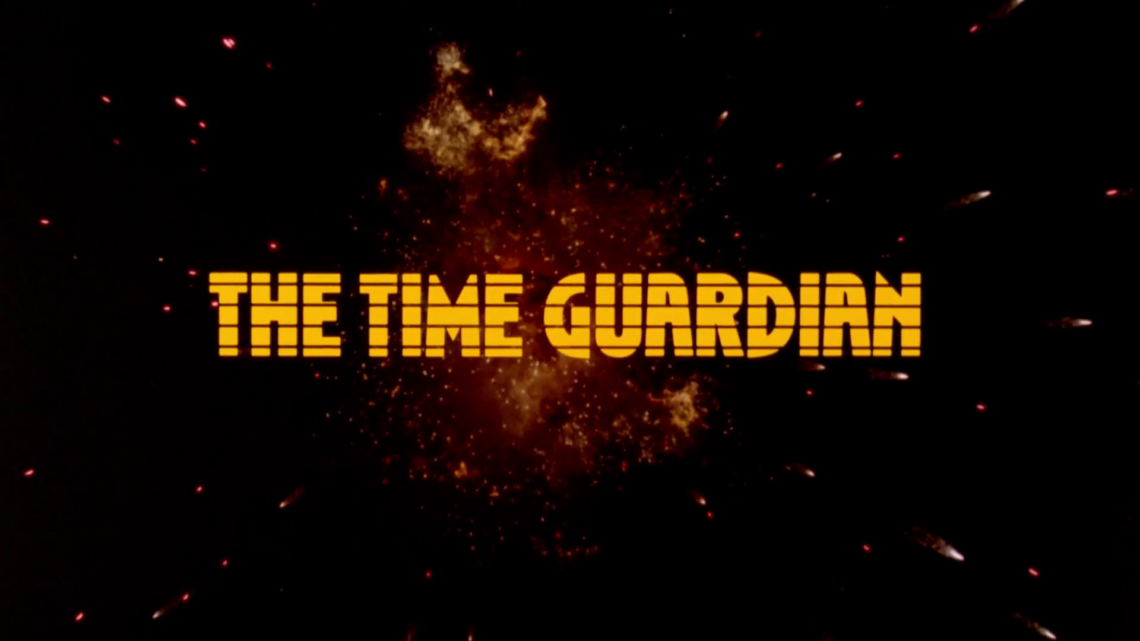
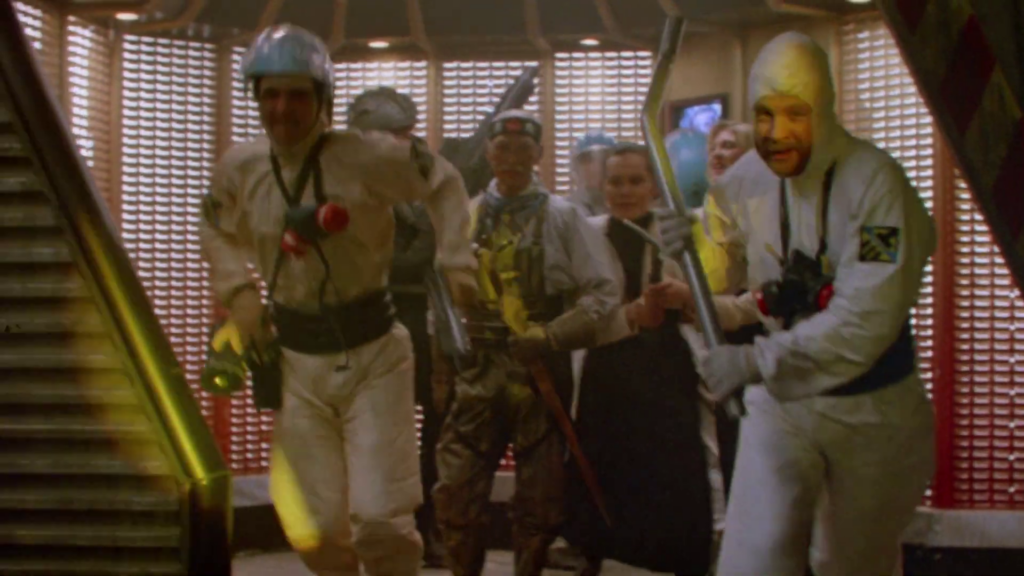
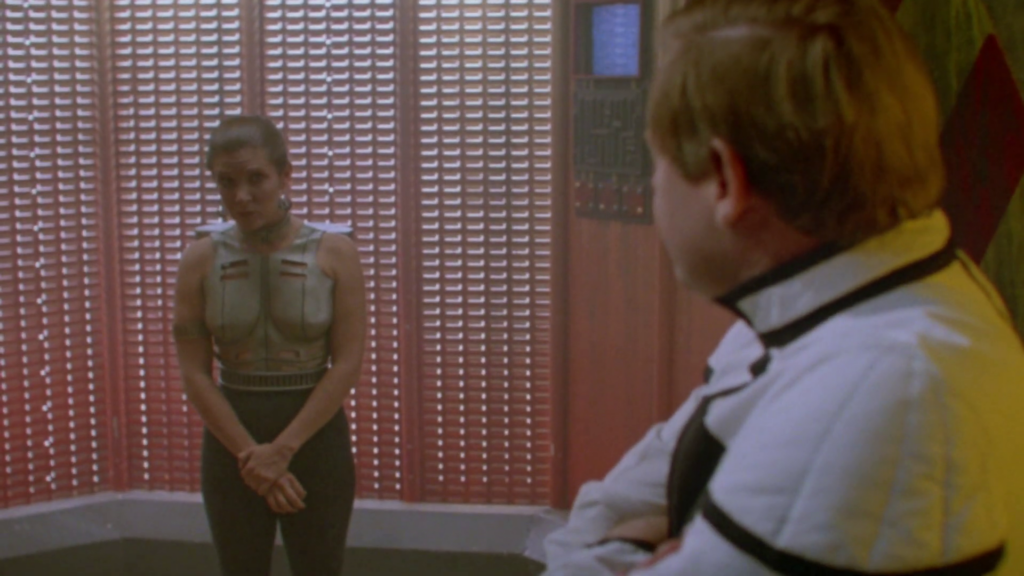
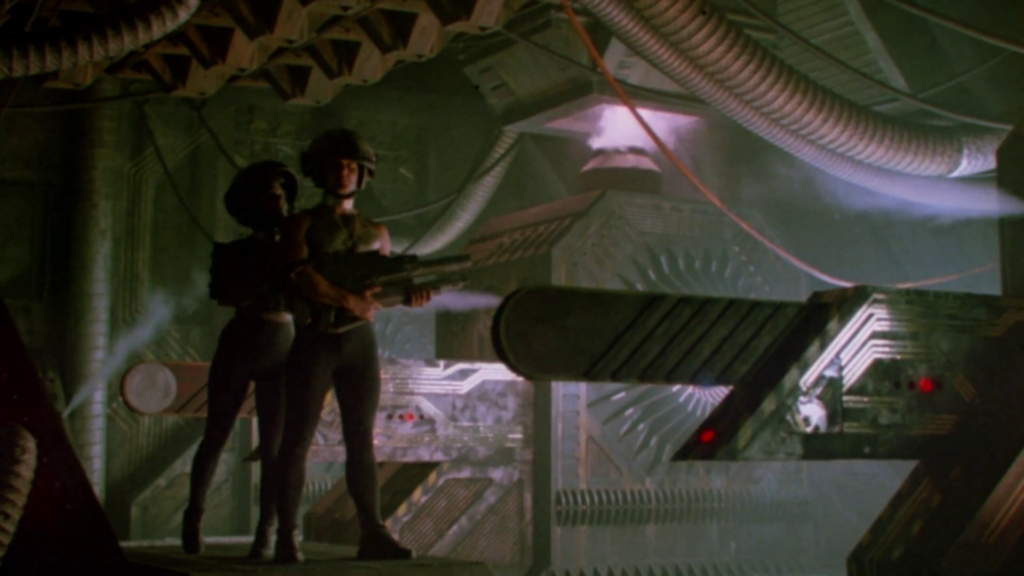
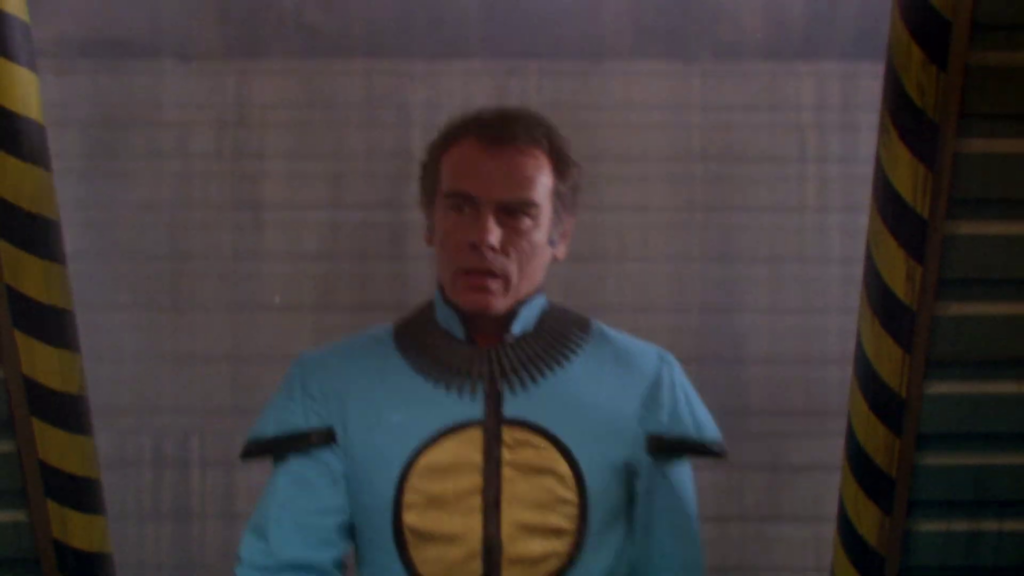
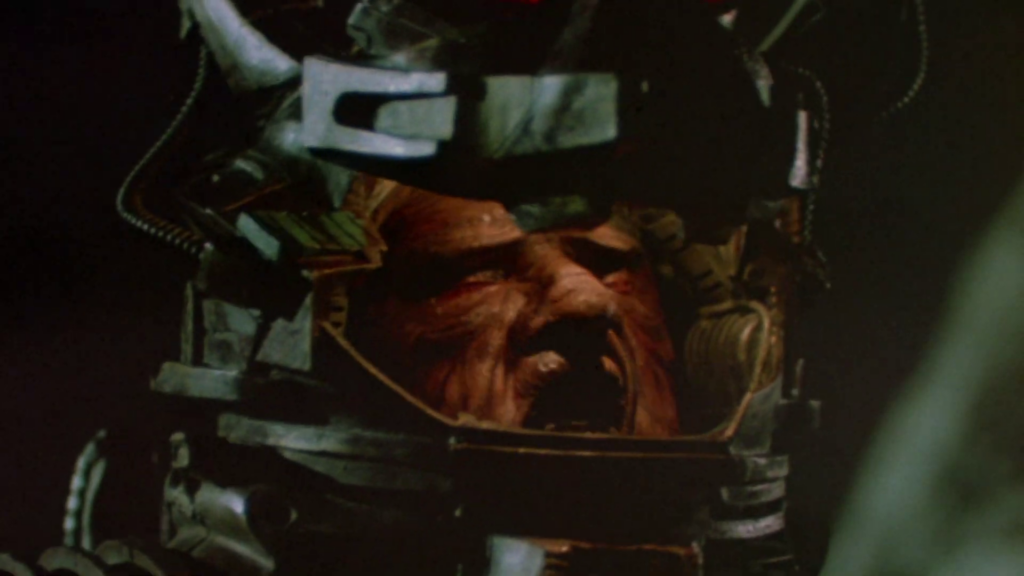
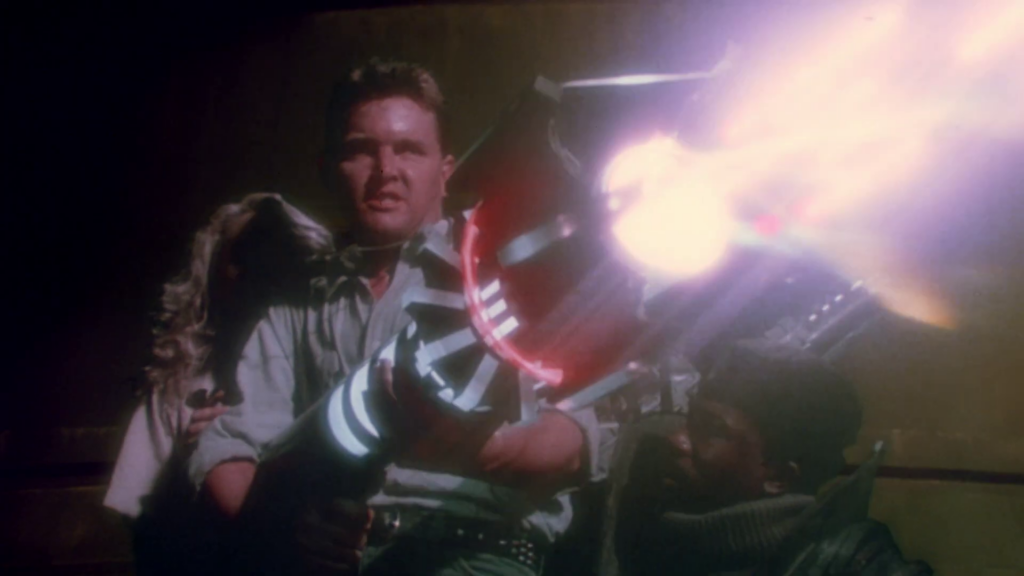
THOUGHTS/ANALYSIS: The Time Guardian is a 1987 sci-fi film. The opening text crawl gives us the backstory of androids called the Jen-Diki being at war with humanity in the fortieth century, and mankind retreating into the last safe city that can travel through time to avoid the evil androids. Yes, it sounds very Terminator-ish. The opening has a flashy action scene that’s at least a bit interesting, although it’s difficult to work out what is going on most of the time thanks to the close up shots and the lack of any decent lighting (obviously intentional to obscure the lack of budget to construct more elaborate sets). The city escapes to 1988, and sends two soldiers, Ballard and Petra ahead to ready the landing site. What follows is your more typical time travel ‘fish out of water’ style of story, where Ballard teams up with a geologist from the present to complete his mission. the split between the futuristic city and present day presents a whole host of problems for the story: it splits up the film between the future, where poorly-established characters just bicker at each other with no real purpose or direction, and the present where it becomes a typical story of a man from the future having to adjust to present day customs and a flimsy romance subplot. the constant switching makes it very difficult to establish anything concrete: Ballard is supposed to prepare the landing site for the city in 1988, but it’s not really clear what it is he is supposed to be doing, and spends most of his time. The whole middle section is completely aimless until the finale starts and the robots arrive and a mediocre fight sequence serves as the climax.
The most baffling thing I find about this film is that they actually got Carrie Fisher to co-star in this…yet they do absolutely nothing with her or her character. If you get one of the stars of one of the biggest sci-fi franchises ever for your own sci-fi film, it should be a no-brainer to give her a prominent role. What they do instead is have her in the opening shouted at and dismissed by the male lead, and then injured when they travel through time, meaning she sits out nearly the entire rest of the film. I don’t know if they could only pay her for a limited amount of screen time or whatever, but it really seems liked a missed opportunity. Tom Burlinson as Ballard is meant o be a gruff, hard-ass lead, but his character pushes it a bit too hard: it makes him unlikable with just how derisive he is. After this film, Burlinson’s film appearances dried up, which makes me think that this film really killed his career. As mentioned, the rest of the characters aren’t really worth mentioning, and the ones from the future don’t really get established well enough to be seen as doing anything useful. The effects have that flashy eighties feel, but nothing unique or really interesting. The end result is an odd mix of Terminator, Mad Max and Star Wars that fails to capture the magic of any of them. The script is sorely lacking in pacing, clarity or interesting elements, and failing to take advantage of it’s stars or unique setting. A dull affair that never really gets going.
-
#700 – AIMEE: The Visitor (2023)


AIMEE: The Visitor (2023)
Film review #700
Director: Charles Band
SYNOPSIS: Scott Keyes is a hacker that gets his hands on a strange piece of software that turns out to be an A.I. named AIMEE. When Scott starts spending time with his new girlfriend, she becomes increasingly jealous, and is determined to have him all to herself…
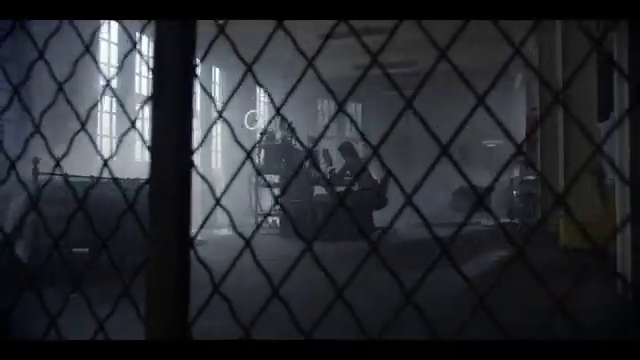
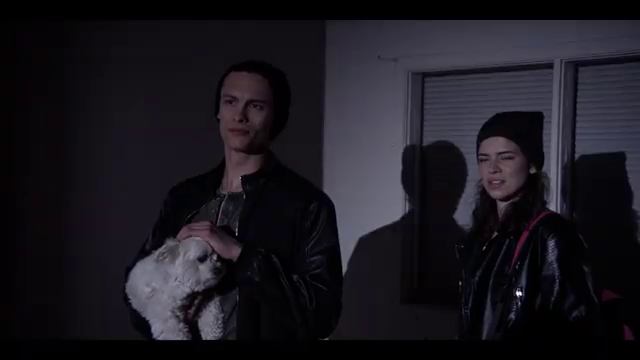
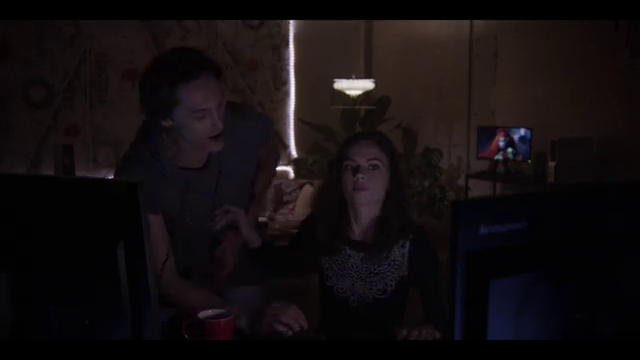
THOUGHTS/ANALYSIS: AIMEE: The Visitor is a 2023 sci-fi film. Hacker Scott Keyes is given a piece of software that turns out to be an A.I. named Aimee. She becomes increasingly possessive of him and when he gets involved with a woman named Gazelle, AIMEE becomes jealous and tries to get her out of the picture so she can have Scott all to herself. That’s it. That’s the story. There’s little bits about how Aimee might have come from the NSA and two agents are trying to get her back, but it doesn’t add up to much. The opening mentions how Aimee is one of the first A.I. actresses (although she is voiced by an actual person), and you can tell just how far A.I. generated imagery has come since 2023 because the result here is not very convincing, and unable to show any real expression. Scott is made out to be a slob and a loser, but still looks fairly clean and well-toned. That’s probably so the two gratuitous sex scenes aren’t off-putting. The film worms it’s way through a few cliché points before ending on a very flat note that resolves very little, but at only sixty-nine minutes (nice), it’s at least no dragged out too long.
This being a film by Full Moon Features and directed by Charles Band should bring everything into focus: it’s the typical low budget feature that you would expect from them. It tries to do something different with the A.I. generated actress, but at it’s core it’s an age-old story of a computer going rogue that doesn’t provide anything new, thrilling or compelling. The only other thing I can say about it is that isn’t really worth watching: you know exactly what you’re going to get.
-
#699 – Cash Storm (2024)

Cash Storm (2024)
Film review #699
Director: Dan Lantz
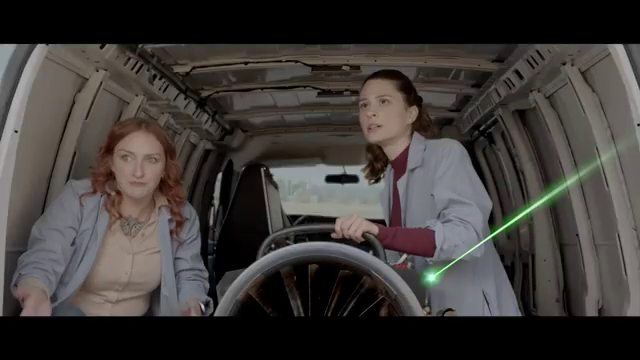
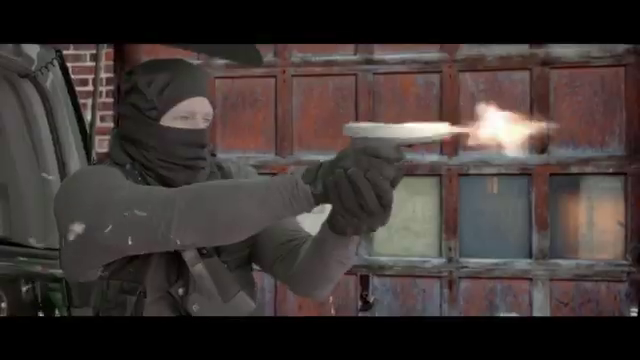
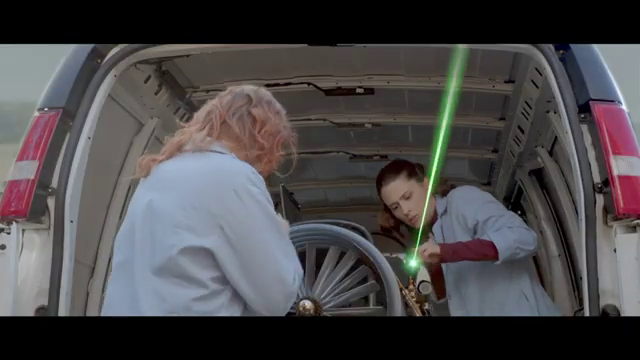
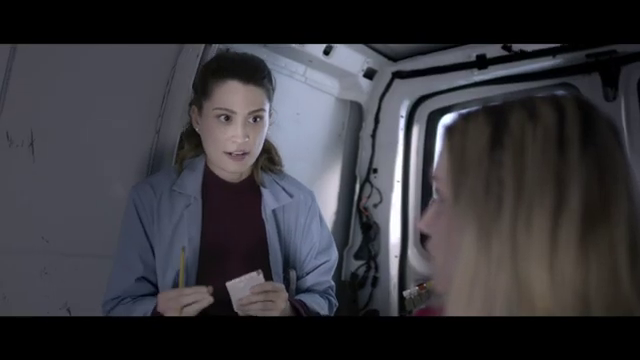
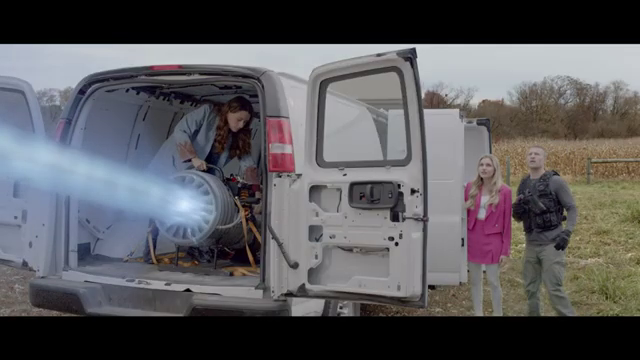
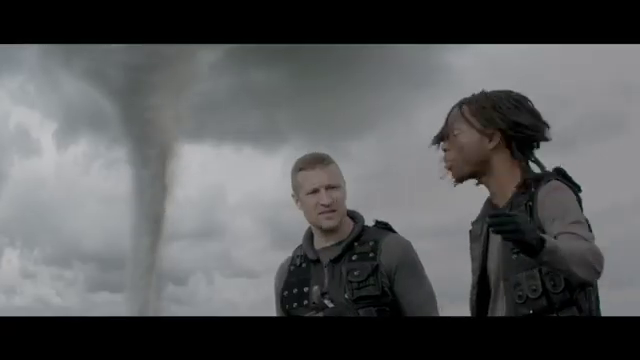
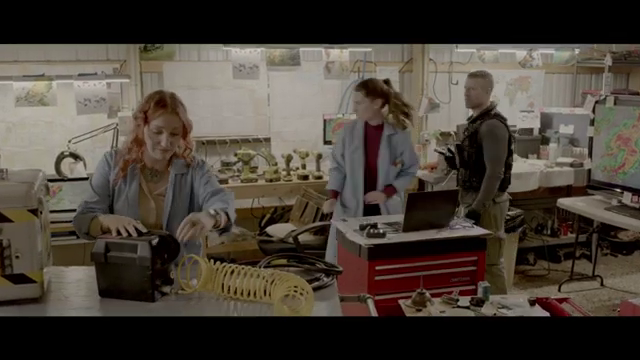
SYNOPSIS: A bank robbery goes wrong when the robber’s van is sucked up by a tornado, causing over a million dollars of banknotes to swirl around. A pair of scientists want to test their machine which can theoretically stop tornadoes, and a pair of influencers who want content, all have to work together somehow to get want they want and survive the deadly cash storm…
THOUGHTS/ANALYSIS: Cash Storm is a 2024 film. As a deadly tornado rips through a central American town, a bank robbery goes wrong when the robber’s van crashes and sucked into a tornado, creating a deadly storm of money. Meanwhile, a pair of scientists who want to test their machine than stop tornadoes (or something), and a pair of influencers who are chasing the tornado for content. The three groups end up having to work together to save themselves from the deadly storm. Despite having the premise of being a disaster film, it is a comedy film with a small production and budget. A majority of the film can essentially be summed up as pointless bickering between the different characters: very little else happens. Given that each of the different characters has their own objectives and motivations, there is a bit of scope for their characters to develop and accomplish something, but the back-and-forth of the story means that it never really goes anywhere, and is just stalling until the machine can stop the tornado.
There’s very little to recommend this film as it is unremarkable in every respect: the comedy doesn’t produce any real laughs, the acting is flat, the story is threadbare and the effects are amateurish. It gets one or two mild laughs, but runs out of juice fairly quickly and doesn’t do anything really outlandish or creative with the premise to make it memorable in any way.
-
#698 – Under the Crystal Sky (2025)
Under the Crystal Sky (2025)
Film review #698
Director: Matt Hartley
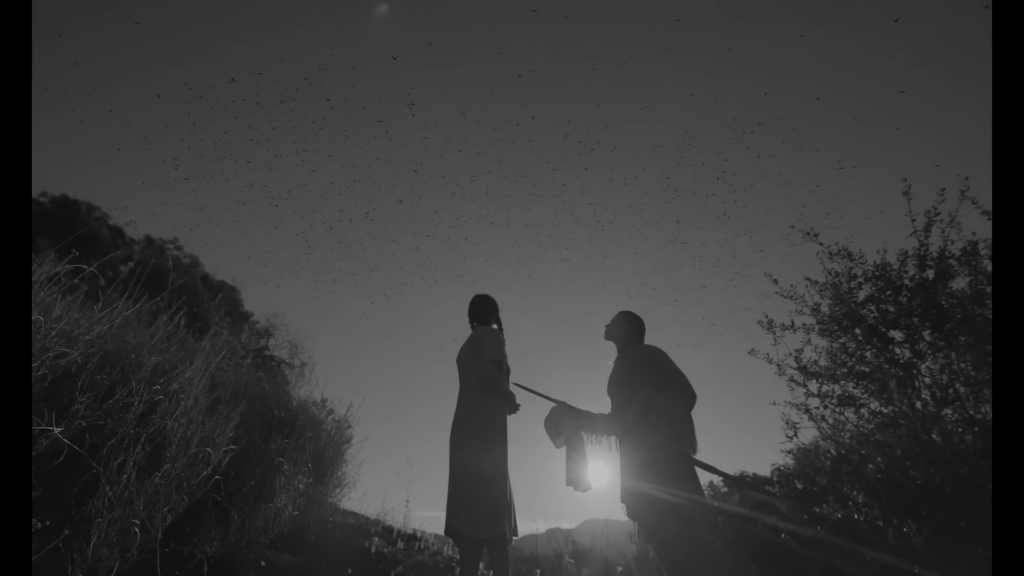
SYNOPSIS: An indigenous American family witness unidentified flying objects in the sky at night. Meanwhile, an encroaching U.S. army threatens to make things difficult for them…
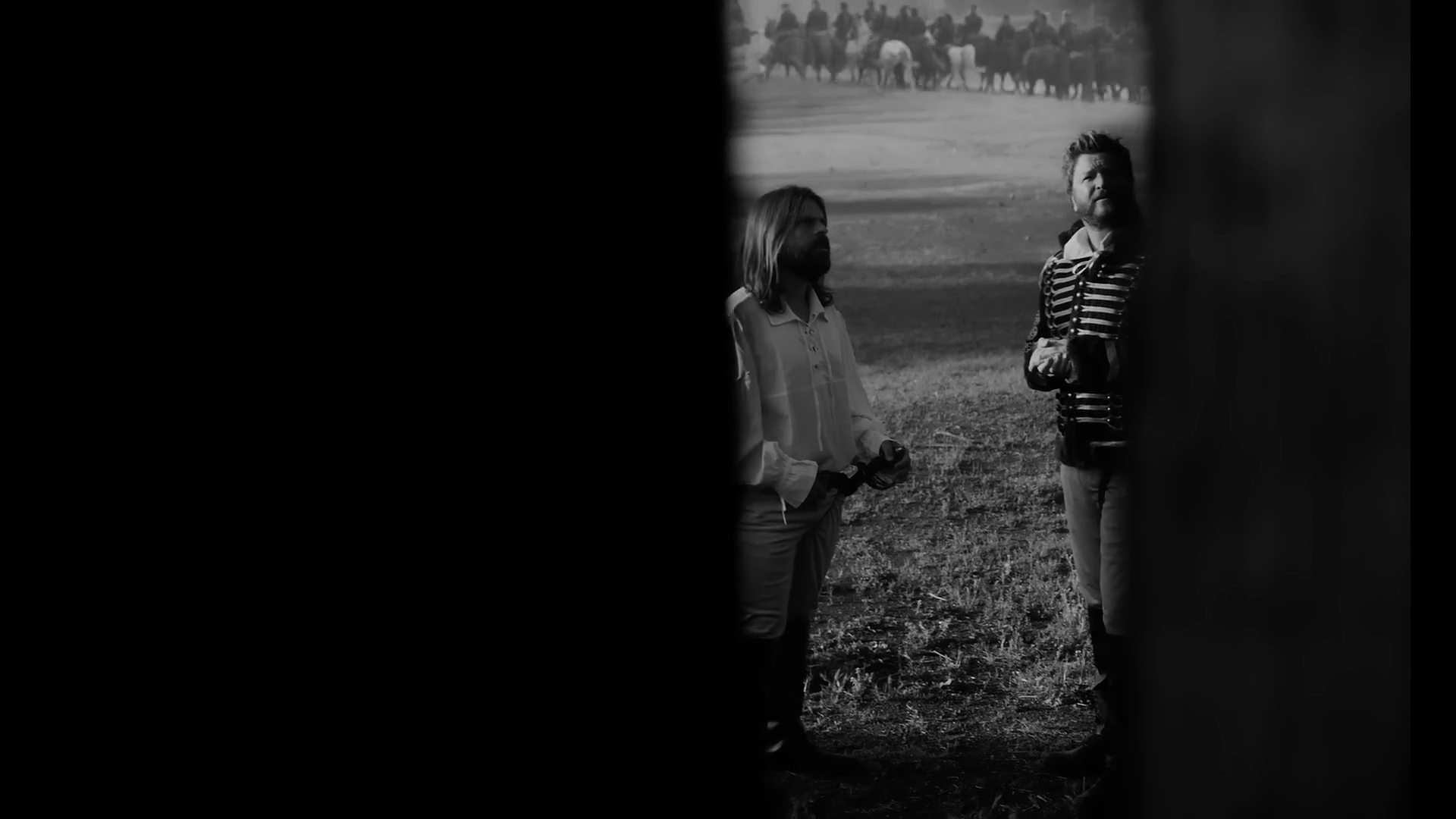
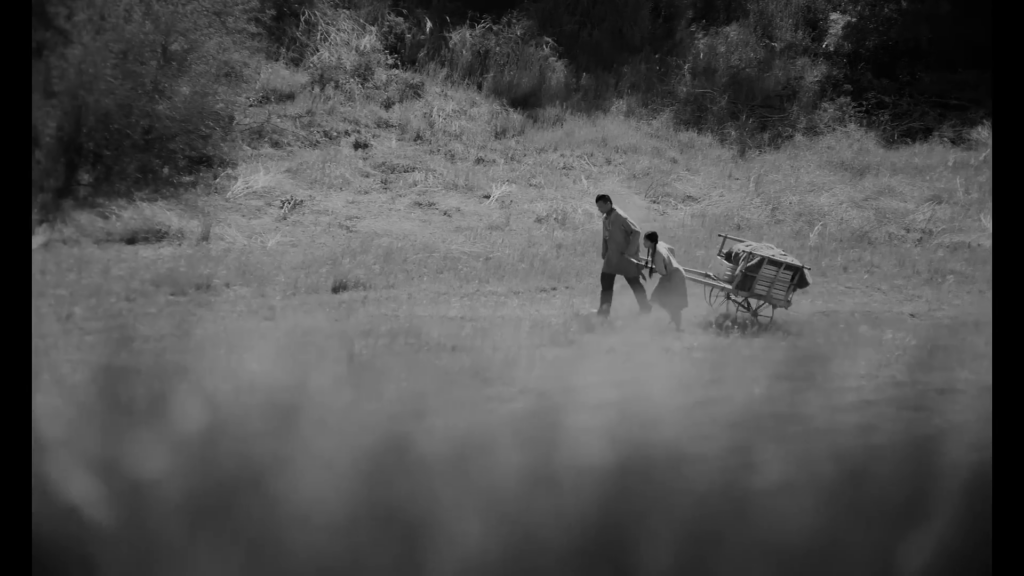
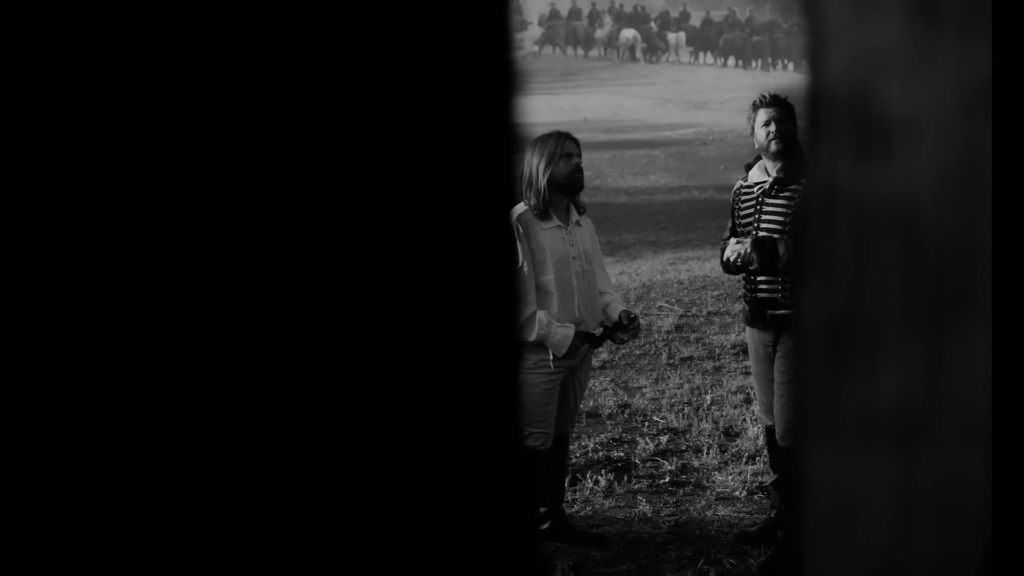
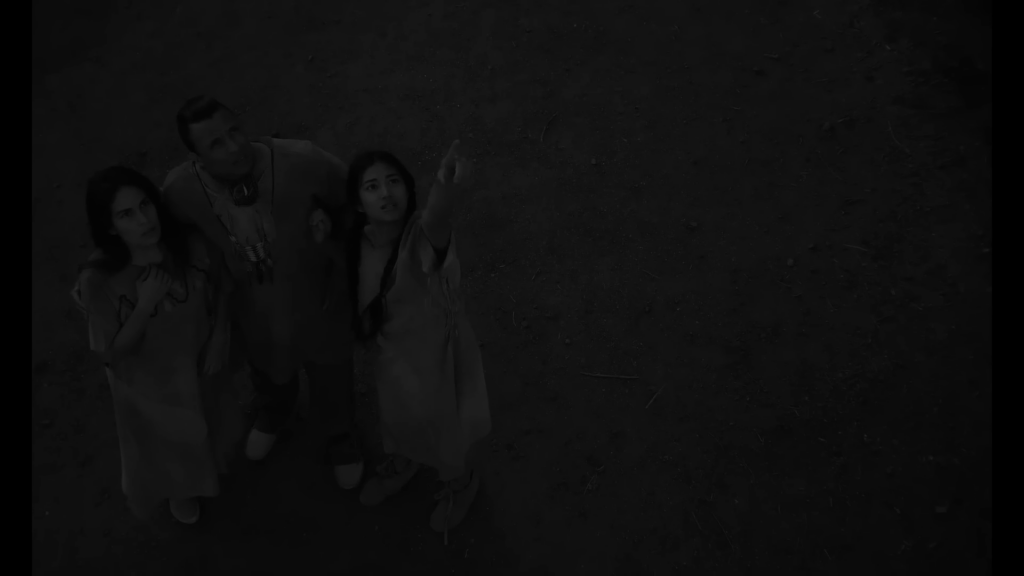
THOUGHTS/ANALYSIS: Under a Crystal Sky is a 2025 sci-fi film. The plot concerns an indigenous family living in the 1800s American Southwest, who one night witness a strange event in the sky with unidentified flying objects. The family is also under threat from the American Military, who have also moved into the area. If this sounds fairly vague, then that is by design: the film has no dialogue, and is extremely slow to establish anything. But overall, there isn’t really much to establish: family sees UFO event, American soldiers come, attack man, daughter finds alien artefact and gets revenge. It’s pretty simple, and could be effective, but even with a runtime of just over an hour, the film is still way too long for what it wants to do: this could have easily have been a ten or fifteen minute film.
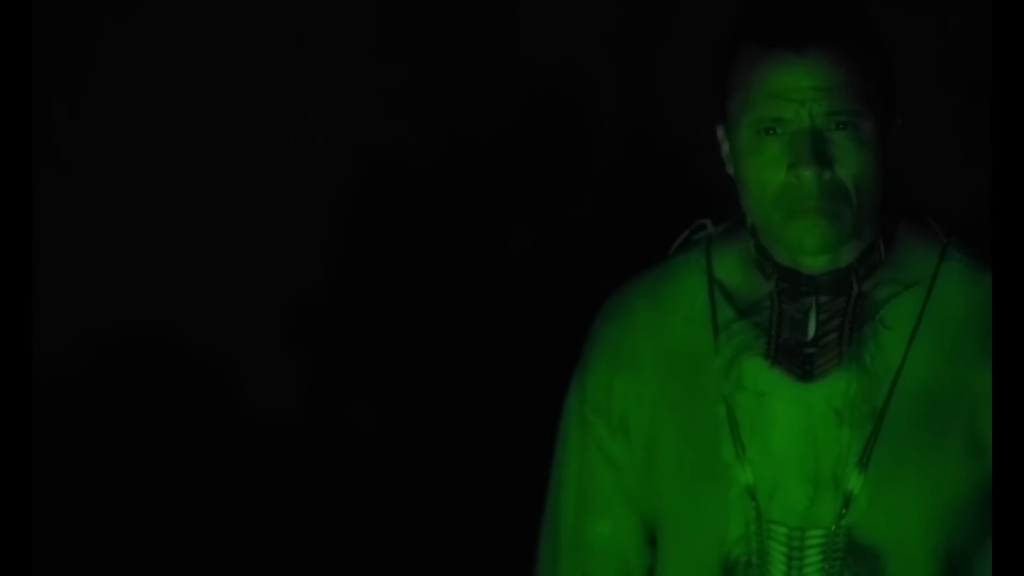
There’s plenty of large, high quality shots of the American wilderness which are nice, and while the film is shot in black-and-white the light from the alien artefacts provide a green light that is the only source of colour, which accentuates their otherworldliness. Not completely original, but somewhat effective. The whole film just feels somewhat…sterile? Everything is a bit too crisp and clean, particularly given the time and setting of the film. There’s also a lack of anything really specific that makes it feel authentic. The indigenous characters are portrayed by indigenous actors, which is good, but there’s no real sense of any specifics about their way of life and how the appearance of UFOs interferes with their beliefs or worldview, it’s just very vague. The director/writer seems to flout their accomplishments in financing and funding films more than making them, and maybe that’s what this film feels like: it was made by a financer, rather than a filmmaker; it’s a product more than a creative film. Overall, there’s nothing really of interest here.
-
697 – Megaville (1990)




Megaville (1990)
Film review #697
Director: Peter Lehner
SYNOPSIS: In a future where all media is outlawed except in the city Megaville, an agent of the media police is sent on an undercover assignment in Megaville to stop an underground crime ring which illegally distributes media. He is secretly implanted with a control chip that allows him to be controlled at will by his superiors, as a wider conspiracy emerges…
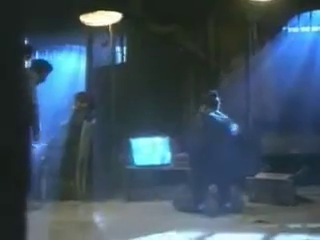
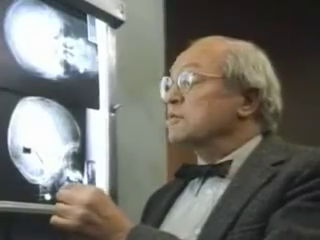
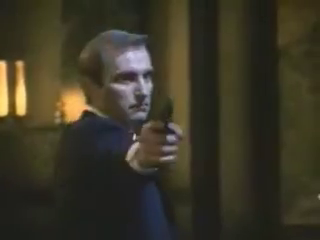
THOUGHTS/ANALYSIS: Megaville is a 1990 sci-fi film. It stars Billy Zane in his first lead role as Raymond Palinov, who is a member of the media police, who enforce a ban on all forms of media in the wastelands. After he experiences strange blackouts and episodes. His boss offers Raymond a new assignment to go undercover and crack a criminal ring that is smuggling media out of Megaville, the only place where it is legal. What follows is your very typical setting of a cyberpunk-thriller-dystopia-thriller that are plentiful in the realm of low budget films of the time. What perhaps stands out is that the plot is way too complicated, and filled with way too many things going on. Between the undercover operation, the mind control device secretly implanted in Raymond, the back-and-forth between the different characters, it all gets a bit too much and impossible to follow. The plot is driven only through tired scenes of dialogue and some vague action out in the desert which offer very little.
Perhaps the biggest stand out in this film is Megaville itself: described as a sprawling urban state of the future, but in reality it’s…Los Angeles. We see some montage footage of Raymond cruising around Megaville and it’s clearly L.A.. There’s no attempt to hide that fact; you can see the landmarks and famous buildings everywhere. Also it doesn’t really look like the future or anything: it’s just present-day L.A. It’s difficult to take any kind of worldbuilding seriously when it’s so obvious the filmmakers just stepped outside and started rolling the cameras. The twist at the end provides a little bit of interest, but by then everything is so convoluted that it’s difficult to relate it back to the plot, and the finale is just once again another shootout in the middle of the desert. Megaville tries to make a film of some substance and intrigue, but overcomplicates the story with way too many elements that can’t be followed, and also manages to avoid any kind of worldbuilding that would create a unique setting. Really not worth watching.
-
#696 – The Invasion (2007)


The Invasion (2007)
Film review #696
Director: Oliver Hirschbiegel
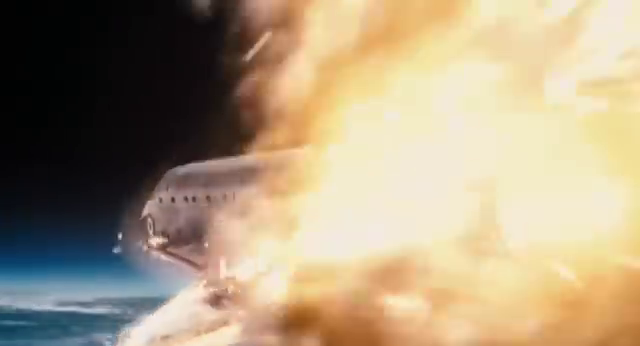
SYNOPSIS: After a space shuttle crashes onto Earth, a mysterious infection starts spreading among the population that renders them emotionless and changes them. Carol is a psychologist who is trying to find her Son, taken by his father, who she believes to be immune from the infection, and plans to get him to safety before the infected get a hold of him…
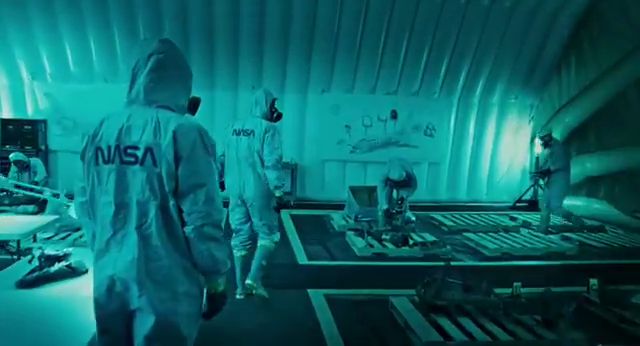
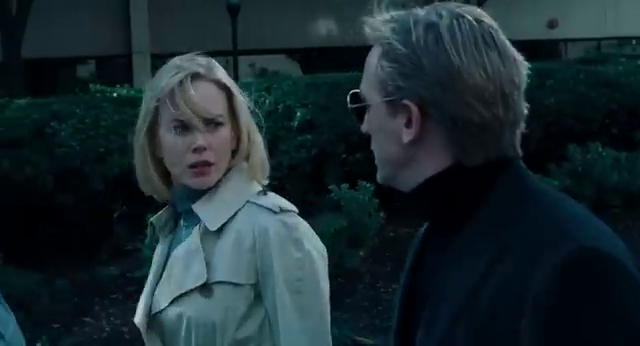
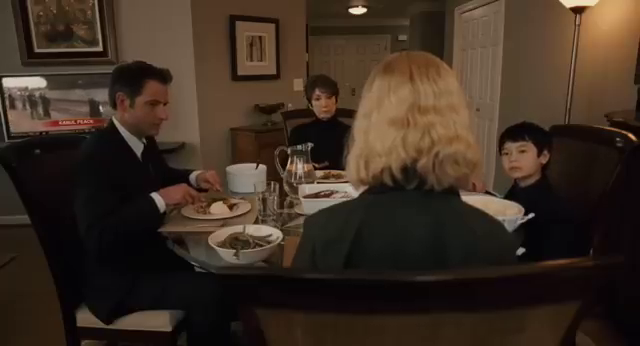
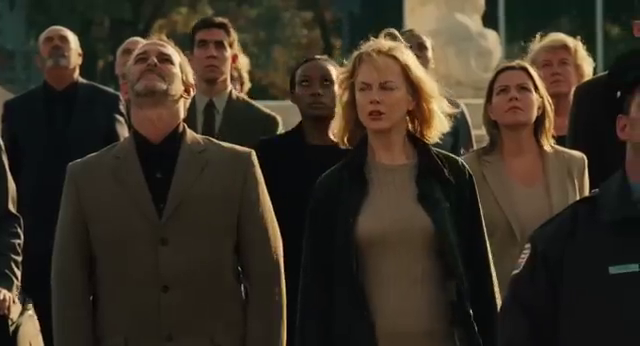
THOUGHTS/ANALYSIS: The Invasion is a 2007 sci-fi thriller film based on the novel The Body Snatchers (which inspired the famous Invasion of the Body Snatchers film, although The Invasion is more of a fresh adaptation than a remake). The film centres around Carol (Nicole Kidman), a psychologist who tries to find and keep her Son, Oliver safe after an infection from space is turning people into emotionless beings. Oliver is taken by her ex-husband Tucker, who happens to be the CDC chief, and who after he becomes infected himself, spreads the disease under the pretence of a flu vaccine. With the help of Dr. Ben Driscoll (Daniel Craig), Carol realises that Oliver is immune to the infection, and goes to rescue him and get him to safety, where scientists can develop a vaccine from his cells. While The Invasion of the Body Snatchers is well-known as one of the definitive sci-fi thrillers, this alternative adaptation really fails to deliver anything of interest or depth. The film is able to create some tension when carol is walking around pretending to be infected and restraining any signs of emotion, but it never develops into anything more substantial. As such, the entire film is just a lot of running about that never really goes anywhere.
Any exploration of the themes that the story brings up are notably absent, despite clearly presenting multiple opportunities to do so. The parasite works by take over people’s bodies, and bereft of emotion, it leads to conflict all over the world ceasing; you might wonder if the world would be a better place with the parasite in control then, but the film barely follows through with any kind of reflection on the topic. Likewise, Carol’s role as a psychologist could shed an interesting perspective on what is happening to people, but it just doesn’t. This film was subject to three directors and two re-edits and reshoots, so any original intent has been mixed up and washed out by too many creative hands. The reshoots also, at the studio’s behest, added in action scenes, which again really draw focus away from anything interesting, and we’re just left with bland car chases for the trailers. The ending too, in which everything just goes back to normal makes the whole endeavour feel a bit pointless. The Invasion feels like a waste of good talent, with no clue about what to do with the source material. Watch one of the other Invasion of the Body Snatchers films instead.
-
#695 – Escape from the 21st Century (2024)


Escape from the 21st Century (2024)
Film review #695
Director: Li Yang
SYNOPSIS: Three schoolfriends discover that after swimming through a toxic spill in a lake that they have gained the ability to transfer their consciousness twenty years into the future by sneezing. There, they find their lives very different from what they imagined…
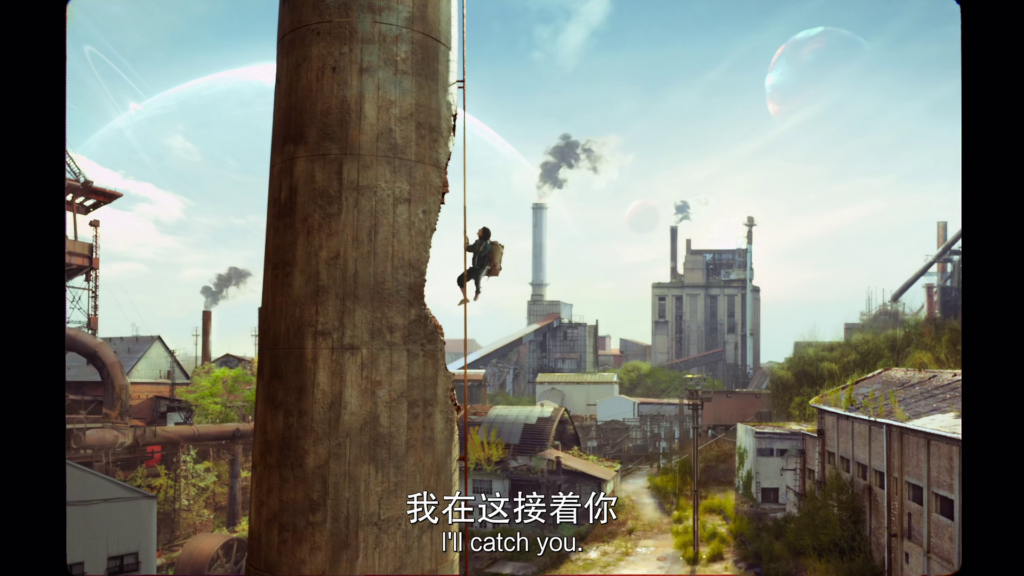
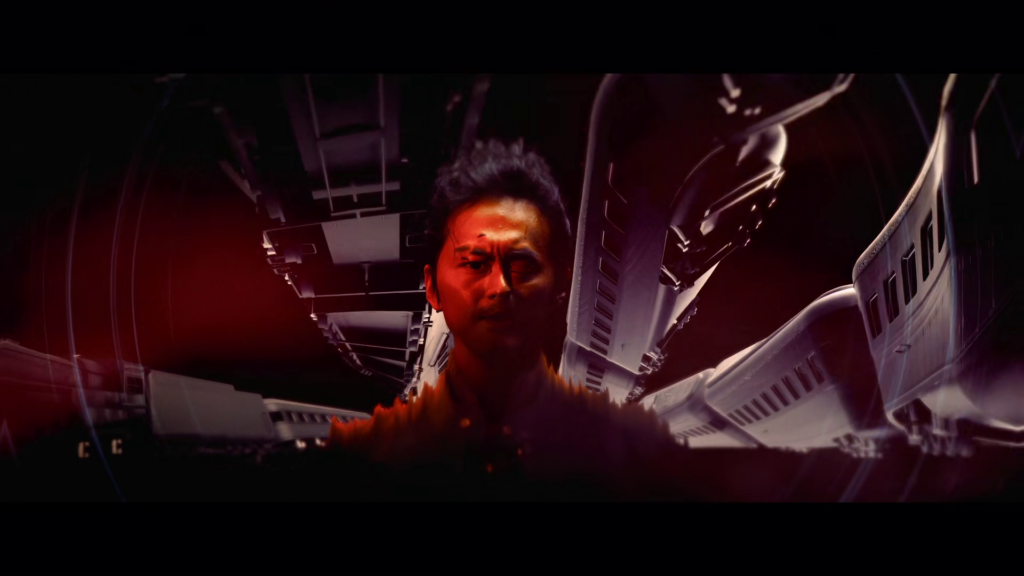
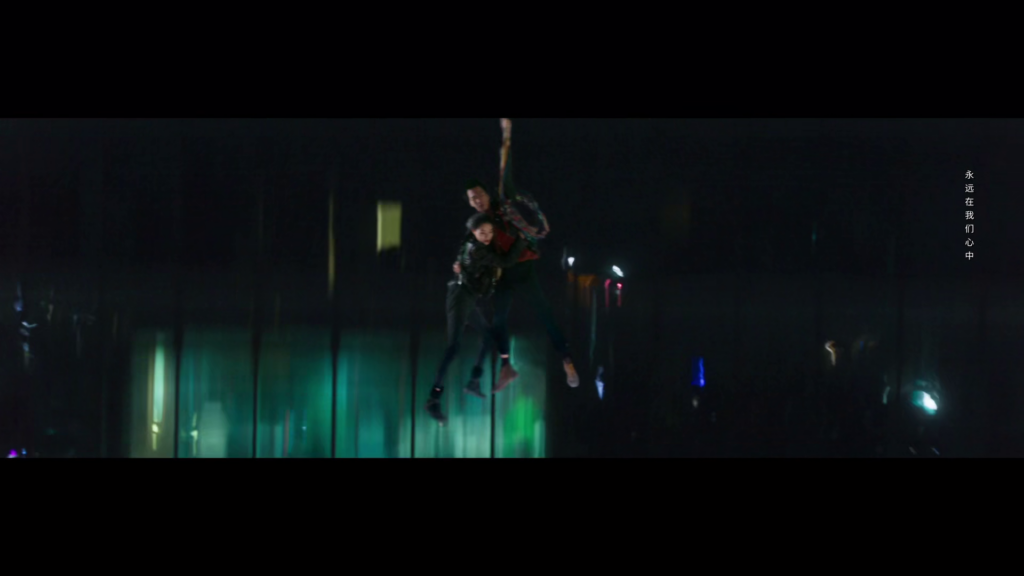
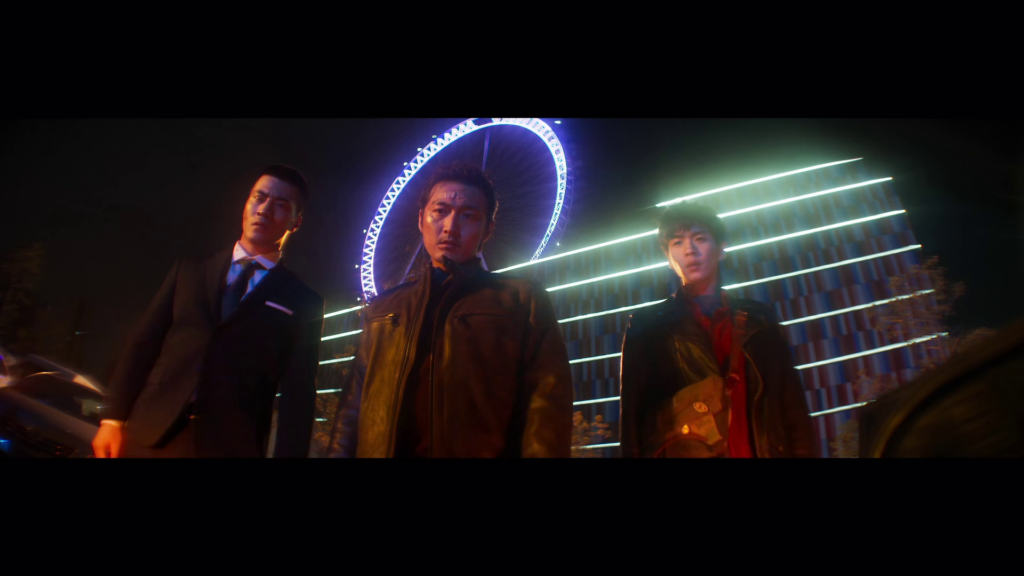
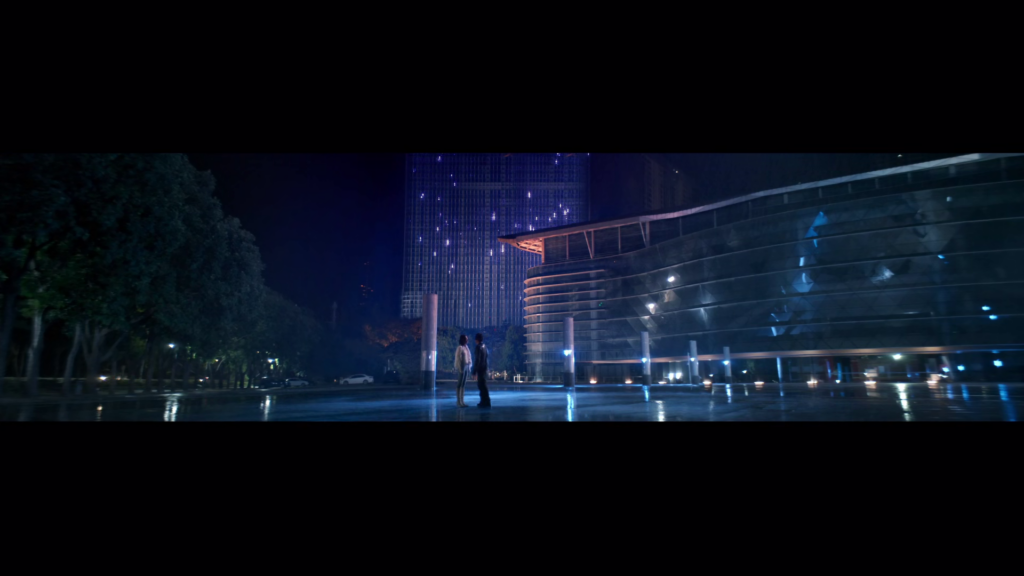
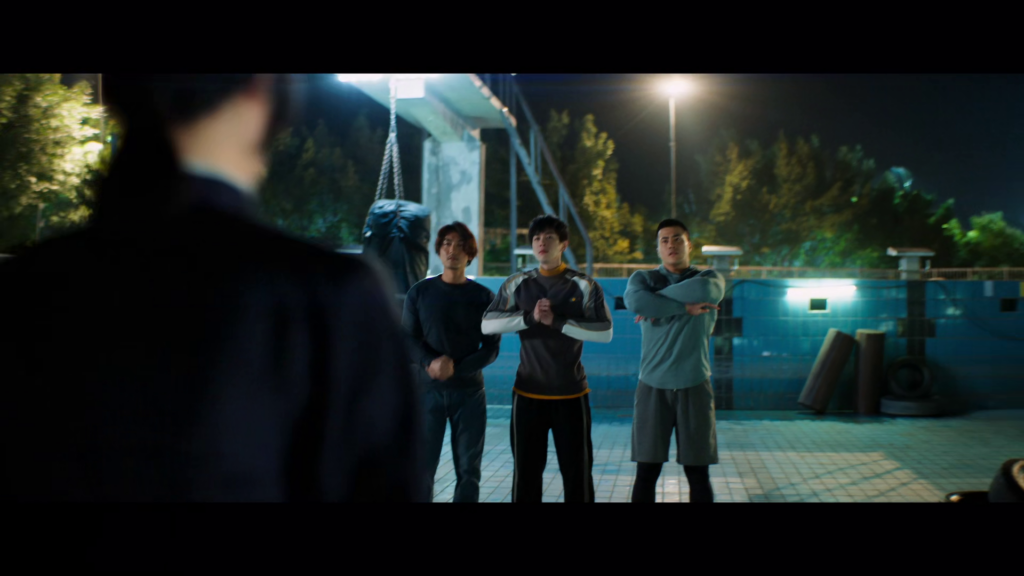
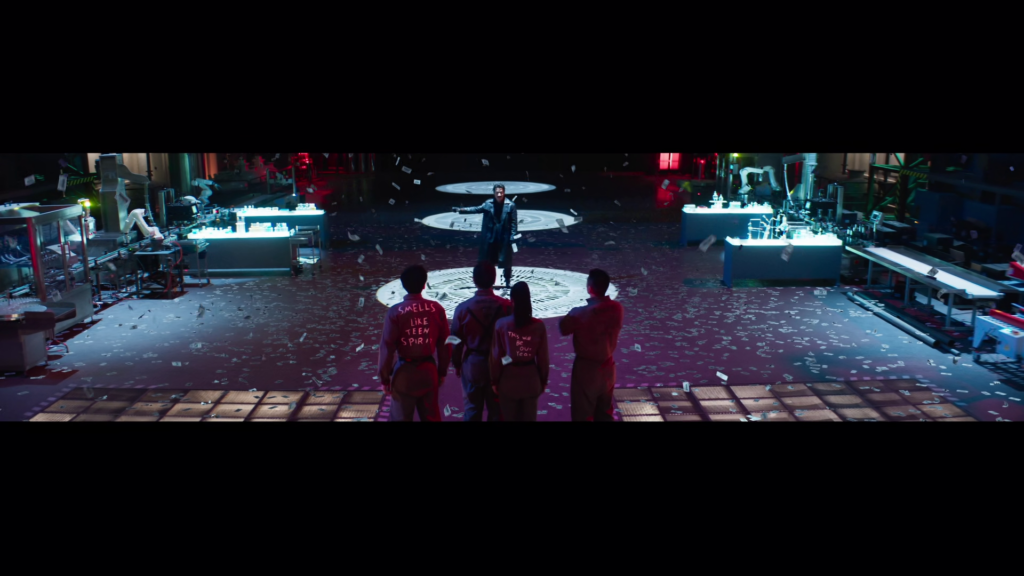
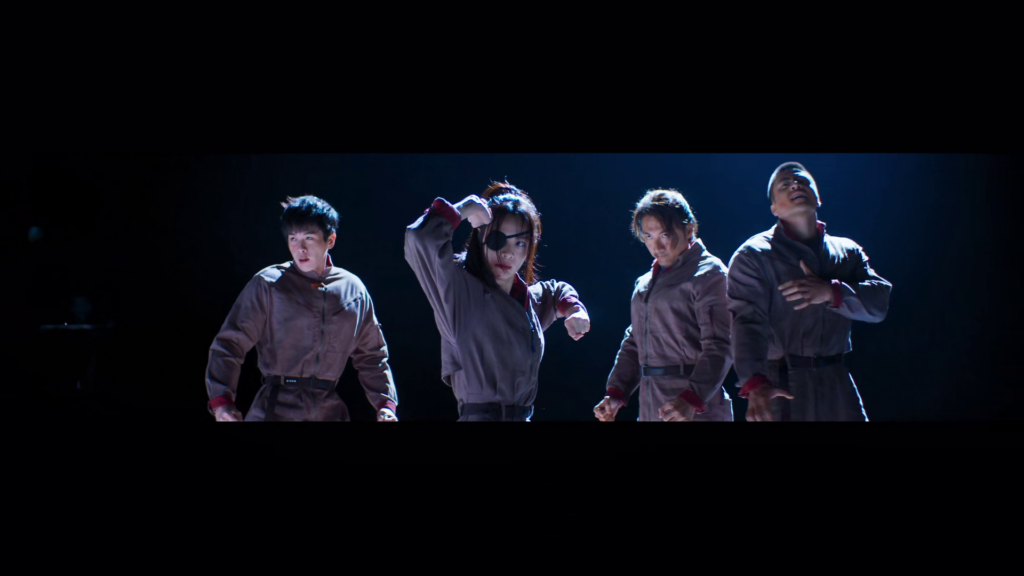
THOUGHTS/ANALYSIS: Escape from the 21st Century (Also called Evacuate from the 21st Century) is a 2024 sci-fi film. In the year 1999, three schoolfriends end up with the ability to travel forward twenty years into the future, after swimming in a lake containing a strange chemical that has spilled into it. In the year 2019, they find their lives are a lot different than they expected, and a biotech company is ruining the future. Also of note is that the story takes place on “Planet K,” which is just planet Earth, but the days are twelve hours long. This doesn’t affect the plot in any way, I believe it is just to get around Chinese censorship (where the film was made). Explaining any more of the story seems like a futile effort; it’s a coming-of-age story mixed in with so many overlapping elements, time travelling and silly reference that makes this film an absolute rollercoaster ride from beginning to end. It is relentlessly paced as the characters zip back and forwards in time, getting involved in fights, daring escapes and everything else. I think the best comparison I could give is it’s a mix of Scott Pilgrim vs. the World with Everything, Everywhere, All at Once, just a mish-mash of jumping about constantly between different settings and styles. This is not a bad thing at all though: it’s colourful, vibrant, energetic and just lots and lots of fun. It would be very easy for such a film to devolve into a mess, but clever connections, callbacks and sharp writing make it flow almost effortlessly. I don’t really know what I expected, but it felt surprisingly good.
There’s an overall slickness to the film that although not perfect, is nevertheless clever and competent. The visuals and CG sometimes fall short, but it’s all constantly changing anyway, so it doesn’t really linger. The soundtrack is also such a incoherent mix, ranging from Joan Baez’s “Here’s to You” and Bonnie Tyler’s “Holding out for a Hero.” Somehow though, it still just works. The fights are again fun and action-packed and still manage to get in some slick callbacks. There’s not a whole lot of bad things to say about this one; it’s just a really fun and wild ride full of colour, imagination and sharp writing. Maybe it doesn’t manage to say anything deeper, but that’s perfectly fine, it’s a great experience.