-
#711 – The End of Eternity (1987)
The End of Eternity (1987)
Film review #711
Director: Andrei Yermash
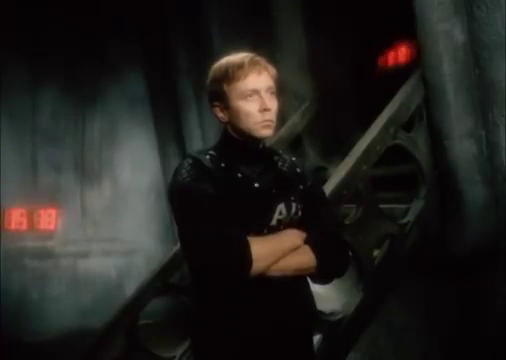
SYNOPSIS: A group of immortals use their time travel technology to make minor adjustments to the timeline to improve humanity. Thomas Harlan is a technician who aids in this project, and when he is assigned to spend a week in the 482nd century with a woman named Noys, he falls in love with her and attempts to protect her from being erased from the timeline, and in doing so, uncovers a vast conspiracy…
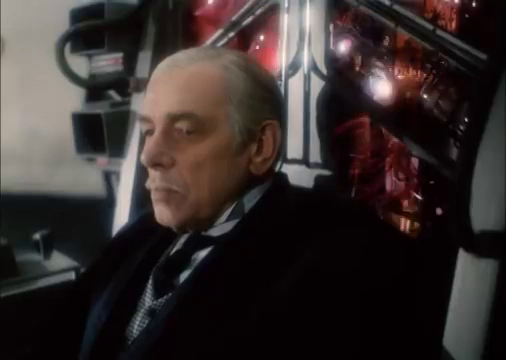
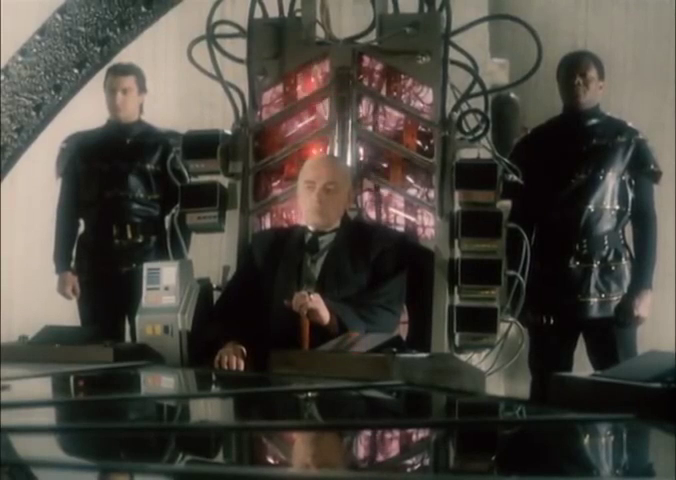
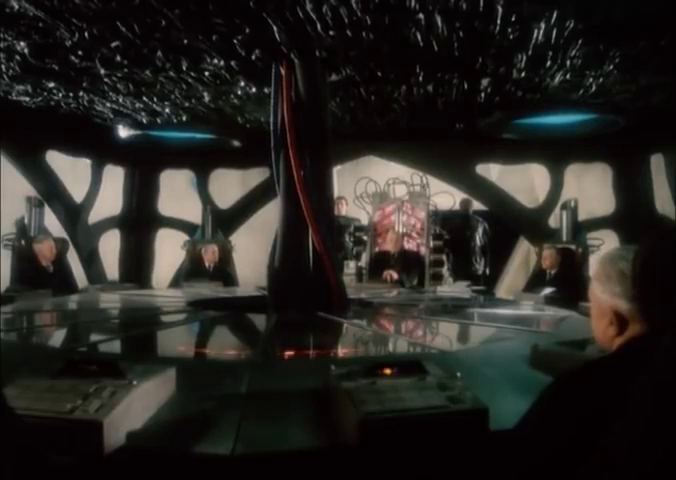
THOUGHTS/ANALYSIS: The End of Eternity is a 1987 sci-fi film based on the novel of the same name by Isaac Asimov. Having looked at the 1976 Hungarian TV movie adaptation previously, I know that this is quite a difficult story to adapt. The film introduces us to The Eternals, who use time travel to incrementally adjust human history to improve it. Thomas Harlan is one such Eternal, who is assigned to stay with a woman named Noys in the 482nd century, but when he fall sin love with her and learns that an alteration to the timeline will erase her, tries to hide her in one of the hidden centuries, and uncovers the true nature of The Eternals. The whole plot is again quite complex, and requires a fair amount of attention to follow accurately; it’s difficult to place where – and when – different scenes are taking place. In spite of the difficulty of adapting a difficult text, I think it still does a decent job of presenting the story, you just have to pay attention for the two hours runtime.
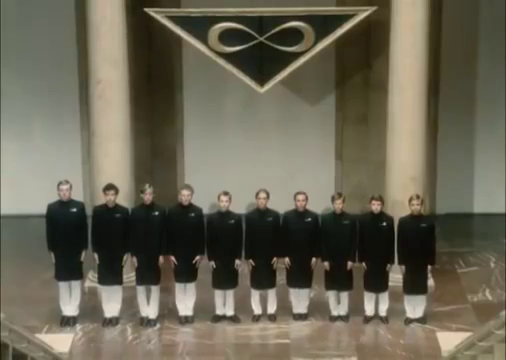
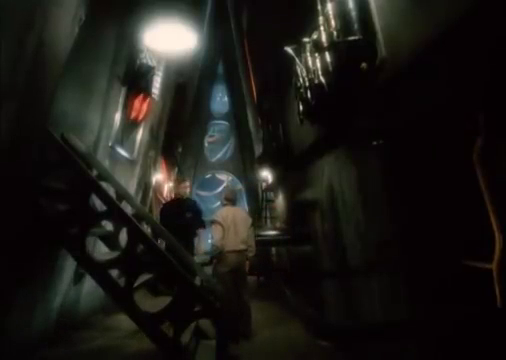
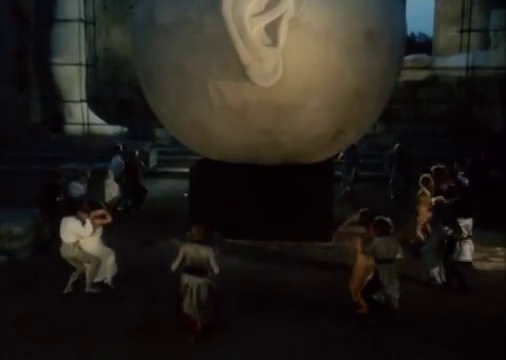
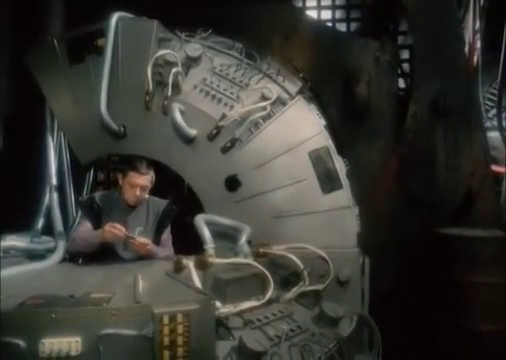
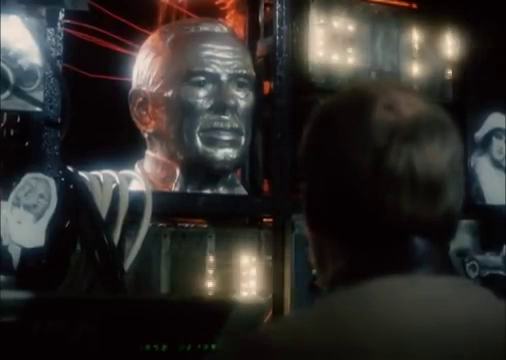
The film bears the marks of soviet cinema; the scenes have a grand and epic atmosphere to them, and everything is delivered and presented seriously. The set design too has lots of detail and complexity, as it blends science-fiction with classical architecture. A big change in the film is that there is a lot more focus on Harlan’s rebellion against Eternity, rather than the romance and personal journey of the main character. The ending is also changed from Eternity being abolished through Harlan’s actions, to instead show how they continue to operate, and Harlan’s continued attempt to overthrow them. This is a rather standard change you would find in soviet cinema: the presentation of the Eternals as the ruling class, the bourgeoisie (emphasised by their dressing up in 20th century business suits despite being from the far future), and Harlan, the everyday worker, being oppressed by them and dedicating himself to overthrowing them. A change which offers little resolution for the characters or plot, and muddles up the story a little. not being familiar with the novel’s intricacies myself, I can’t really comment on how well it adapts the novel, but as I mentioned, it still has difficulties making the story flow, but that is I think more that the story is just not suited wholly to the structure of a film (which is perfectly okay; books don’t have to be adapted into films).
The End of Eternity bears the hallmarks of a soviet cinema film, utilising impressive production and generated a heavy and significant atmosphere, but doesn’t quite match up to similar films of the time and era. There’s not much room for interpretation in the story to elevate it into something profound, it’s just a good story that’s hampered by the difficulties of making time travel stories accessible and coherent.
-
#710 – The End of Eternity (1976)
he End of Eternity (1976)
Film review #710
Director: András Rajnai
SYNOPSIS: From the “Time Channel,” a group of immortals control the development of humanity by carefully studying and altering certain events. Thomas Harlan works as a technician for the Time Tunnel, and falls in love with a mysterious woman who is from a time period that has blocked off access to the time travellers, and uncovers the dark truth of the organisation…
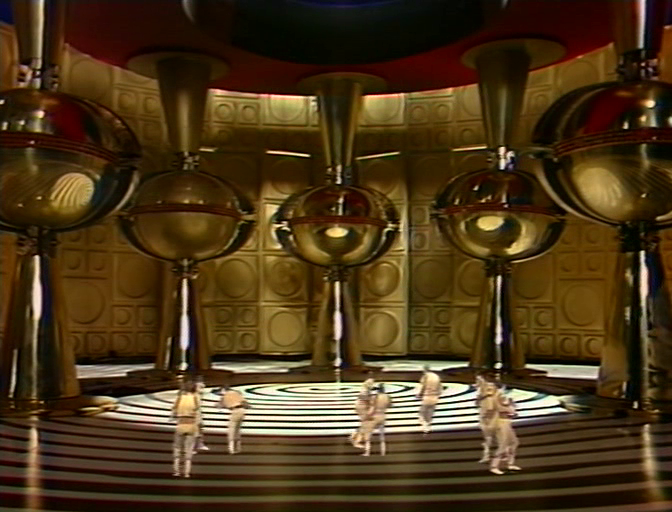
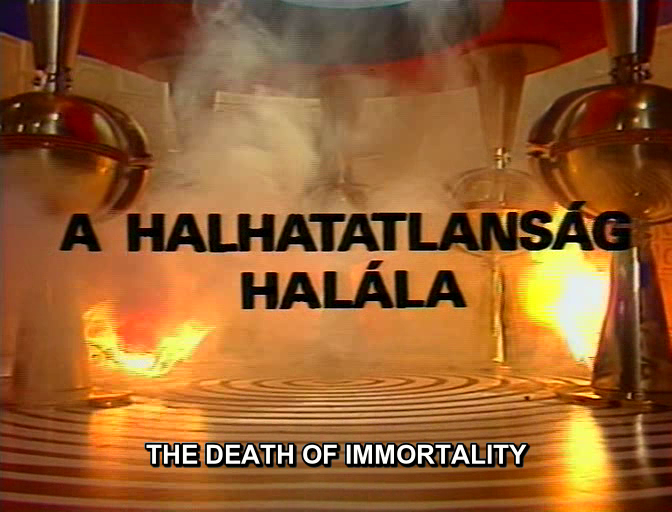
THOUGHTS/ANALYSIS: The End of Eternity is a 1976 sci-fi TV movie based on the 1955 novel of the same name by Isaac Asimov. The film opens up in explosive fashion, with a literal explosion of some sci-fi setting and people dying as the title appears. We next see Thomas Harlan, a technician for a group of immortals who control the Time Tunnel that they use to travel through time and make careful changes to history for the better. Harlan trains another man named Cooper to travel to the 21st century, and this provides us with an opportunity to learn about the setting and world. I have not read Asimov’s original novel that this film is based on, but I suspect that it explains things a lot better than this film does: there is a lot of information t9o be delivered about the mechanics of time travel, the different eras, the society of the immortals, and so on. A novel gives you the space to tell this, but this film can only get so much across, and I was very quickly lost over what was happening. Basically, a woman from a time period which has managed to close itself off to the time travellers and their interference arrives, and Harlan falls in love with her. This is a part of his boss’s plan to get information on how her society was able to block time travellers, and when they imprison her in the far off future, Harlan has to try and get her back. It’s a simple enough story I suppose, but as mentioned, the ways it’s explained is very opaque. This is compounded by the short runtime of eighty minutes, and a very off pacing that doesn’t build up much suspense or tension: it feels like every time there’s something new happening, the film needs more time to explain it, and it brings every thing to a standstill. Maybe it flows nicer if you can listen and understand the language rather than watching with subtitles, but I feel that might not be enough.
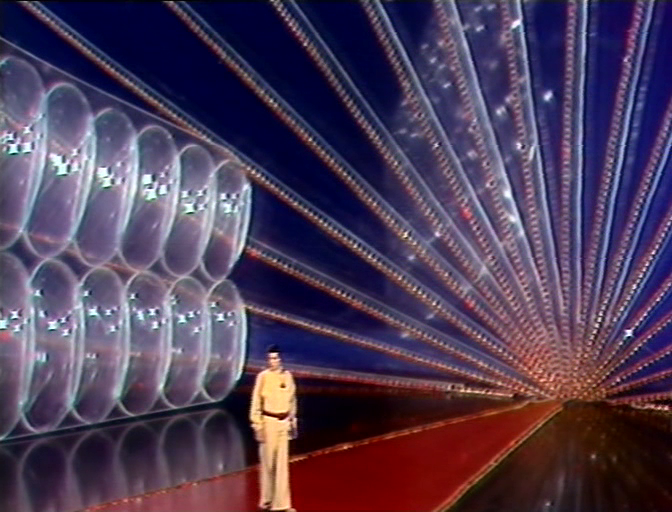
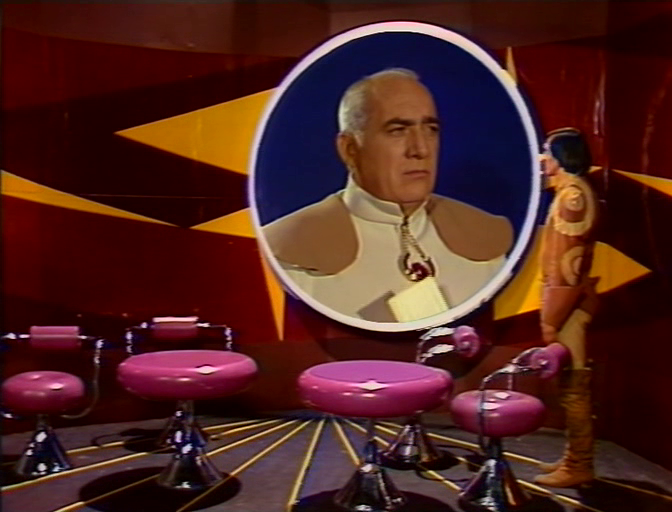
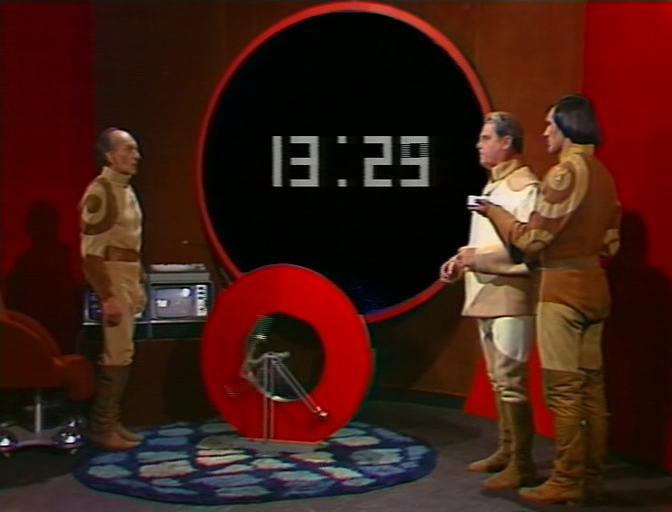
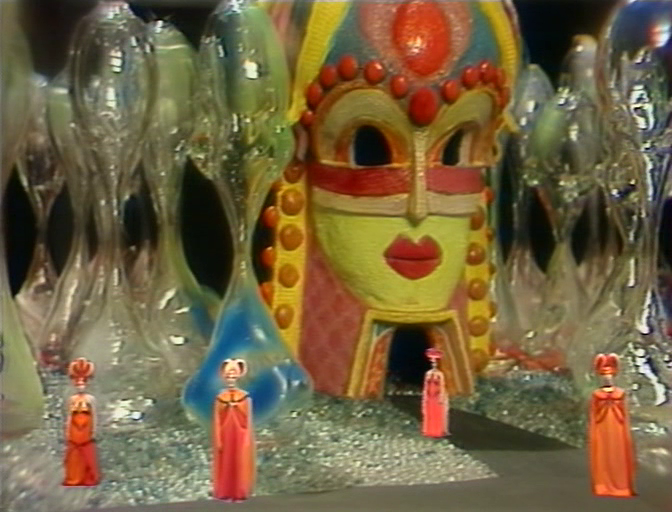
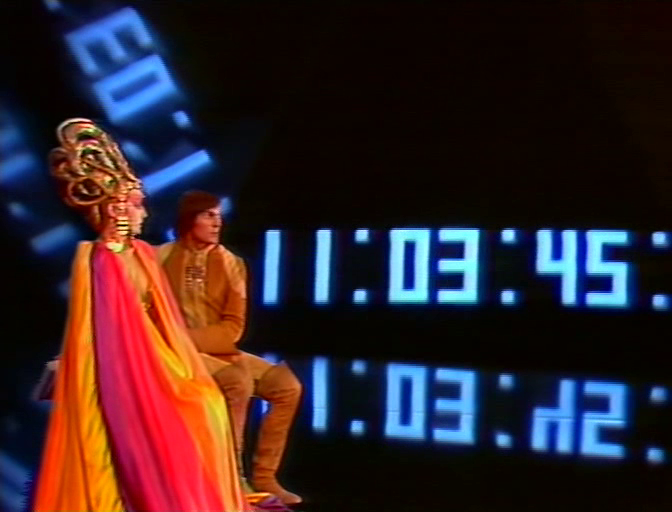
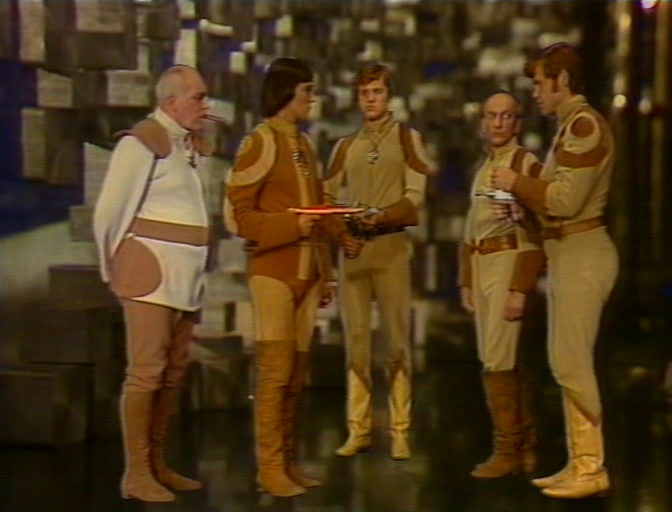
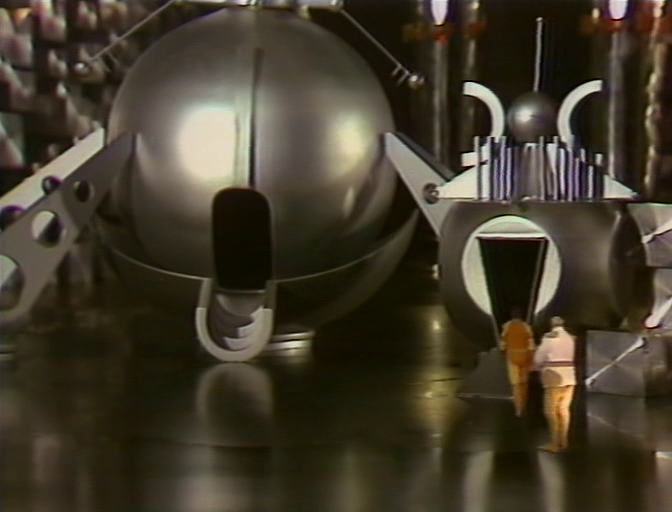
The visual style of this film consists of nearly every scene being set in front of a greenscreen, with all sorts of weird shapes and colours designed to “look” futuristic. There’s not much consistency or specifics to give us an idea of what this setting is like or how it operates; it’s just general sci-fi fluff. You can tell there’s an interesting story behind The End of Eternity, but the complex plot device of time travel just isn’t explained very well here. With settings that all look the same and many scenes of just standing around and talking, it often feels like the story doesn’t go anywhere, and nothing is built up or established well enough to maintain your attention. An interesting take on sci-fi from Hungarian TV, but poorly executed in terms of pacing and production.